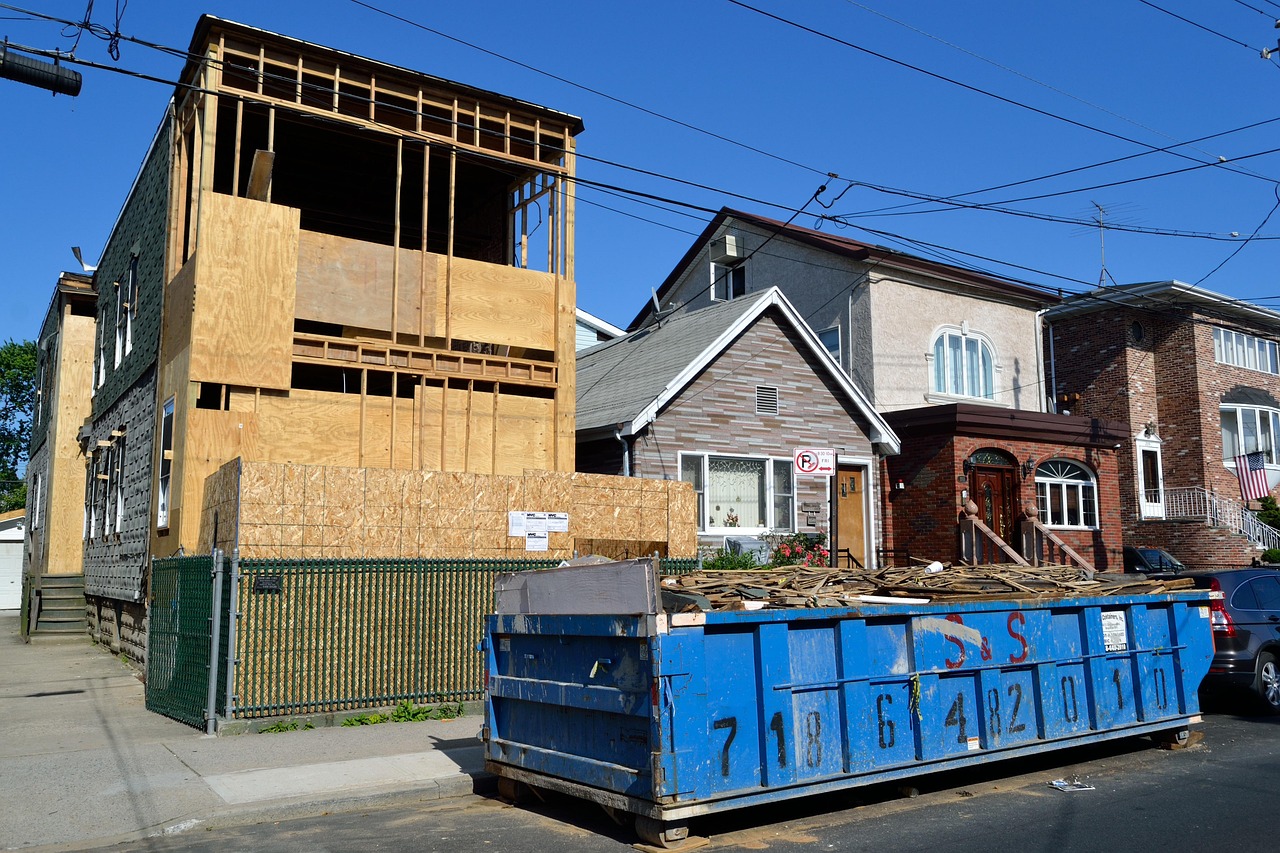
It was a Thursday morning when the rumble outside my Silver Lake bungalow sounded more like a heartbeat than a truck: low, steady, insistent. I opened the curtains to find a bright green roll-off dumpster squeezing into the spot beneath a palm tree, its metal sides catching the sun and a flock of pigeons scattering like confetti. Somewhere between the smell of fresh coffee and the diesel, I realized this simple box on wheels would change the way my whole block shaped up for the next two weeks.
Setup: Why a Dumpster Matters
My name is Elena. I was three days into a renovation that had seemed romantic at the design board—pink tiles and a reclaimed wood counter—and had morphed into a cascade of drywall dust, broken plaster, and a mountain of old cabinetry that smelled faintly of lavender and mildew. I wasn’t alone in this. Down the street, Mr. Chen from Echo Park was gutting his garage to make room for an art studio; across the alley, a small coffee shop in Los Feliz was renovating its back room. We were all waiting for the same answer: how to get rid of the debris without turning our neighborhoods into a landfill.
When Jamal, the contractor from Burbank I had hired, called the local roll-off service his voice was practical. “We need a 20-yard for the first drop-off and a 10 for the countertop waste. Santa Monica can’t handle big trucks on Ocean Avenue, so we’ll stage them in the alley and move them early before traffic.” He had the kind of calm that comes from knowing city ordinances by heart.
Rising Action: Streets, Permits, and Tight Turns
There is a choreography to dumpster delivery in Greater Los Angeles that most people never see. Trucks thread through Ventura Boulevard under the shadow of billboards, swerve past bicyclists on Sunset, and coax a metal box into driveways narrower than the truck itself. In Pasadena you worry about narrow historic streets and neighbor objections; in Malibu, the concern is not about space but safety on steep, winding drives. Each neighborhood has a different flavor and a different set of rules.
“Do you have a street-use permit?” the driver asked, tapping his clipboard as he eyed the cluster of neighbors who had come out to watch. He was a steady man with a grease-smudged cap and the kind of presence that puts you at ease. I thought the company handled it. Jamal groaned. “Not always. In the City of Los Angeles you sometimes need a curbside permit, and Santa Monica, Culver City, and Long Beach have their own processes. It’s faster if we call late and ask for a same-day but you might pay a premium. Trust me: don’t guess on permit rules. You’ll get a ticket or worse—the truck might not be able to park.”
For me, there was also the smell of sawdust in the air and a chorus of hammers that felt like a heartbeat. We had to protect my driveway from the truck’s weight, and since my place was on an incline, Jamal laid plywood as if preparing a stage. Over on Main Street in downtown Los Angeles, another crew was pulling three large dumpsters for a loft conversion—concrete and metal clanging like a percussion section—while in Burbank a film crew waited for their pickup. Los Angeles is a city of stories and every dumpster has its own.
Key Insights Woven Into the Story
The first lesson came as a pragmatic whisper from the driver as he snapped ratchet straps. “Sizes matter.” He drew a small diagram in the dust on the truck’s toolbox: 10-yard for tight residential jobs, 20-yard for medium renovations, 30- and 40-yard for big construction sites. “Measure your driveway, check for overhead wires, and give us a turning radius. If we can’t get close, we charge for extra labor and time.”
Another lesson was about what goes in and what doesn’t. “No paint cans, no batteries, no asbestos,” Jamal said as he handed me a yellow sheet listing prohibited items. “Hazardous materials aren’t just illegal in a dumpster, they can nix a whole job and cost more to dispose of properly.” He paused, looking toward the truck where a young crew was securing the gate. “And try to separate metal and clean concrete. They’ll actually pay you a little if you drop it at a recycling facility in Long Beach or Glendale.”
We learned about cost variables the way you learn the best shortcuts through Dodger Stadium traffic—trial and error. Weight is king: mixed materials like wet drywall or soil add lots of pounds, which can bump you from a flat rate into per-ton charges. Distance matters; hauling to county-designated facilities farther away can change the quote. Time on site, extra days, and rush fees for same-day service can all inflate a bill faster than a latte in West Hollywood.
But there was also a surprising thread of sustainability in the conversation. The driver told us about partnerships with salvage yards and Habitat for Humanity ReStore in Pasadena where usable cabinets and fixtures often find second lives. “We diverted about 60% on a recent job,” he said proudly, “metal, wood, fixtures—keeps it out of the landfill and it keeps prices down for the client.” When Jamal suggested donating functional doorknobs and the old sink, I saw my anxiety shrink a little as my home’s cast-offs found potential new homes in Torrance and Glendale.
Resolution: The Day the Blocks Cleared
Over the next two weeks the dumpster became a kind of community magnet. Neighbors dropped off branches and boxes, a mother from down the street hauled an old mattress that the city’s bulky-item pickup wouldn’t touch, and Mr. Chen shared pies as his garage transformed into his studio. In Hollywood, a production company scheduled three pickups in a row to make way for a set build. In Long Beach, a contractor called to say they’d found a salvage company that would take old wrought iron railings; the driver smiled when I emailed a photo and said, “Nice find.”
There were tense moments too. The truck once couldn’t make the turn on a narrow Silver Lake lane because a moving van was double-parked; Jamal negotiated an impromptu ballet of cars while the crew held breath and tools. In Culver City a last-minute parking ticket threatened to delay a pickup, but a quick call and a doubled-back permit saved the day. Each problem solved felt like a small victory, and when the final bin was hauled away at sunset, the block felt different—lighter, like the sigh after a long-held breath.
“It looks like it’s always looked this way,” my neighbor said, leaning against the now-empty curb. “Like the chaos just walked away.” The truck backed down the street, its taillights glowing tomato-bright against the dusk. As it disappeared past the neon sign of a café, the city exhaled with us: the scent of sawdust fading, the hum of freeway traffic returning, and for a moment Los Angeles felt manageable again.
Takeaway: What You Should Remember
If there’s one thing this neighborhood saga taught me, it’s that dumpster removal in Greater Los Angeles is less about brute force and more about choreography. Plan: pick the right size, allow for permits, measure for access, and be honest about what you’re throwing away. Ask about recycling and salvage: many haulers work with facilities across Pasadena, Glendale, Long Beach, and beyond to divert metal, concrete, and fixtures. Protect your property with plywood and clear the way for the truck’s turning radius. And don’t underestimate timing: early morning pickups avoid canyon traffic through Malibu or choke points on Wilshire.
Call and ask for an itemized quote, confirm insurance and liability coverage, and get the permit details in writing if the dumpster will be on public property in the City of Los Angeles, Santa Monica, Culver City, or any other municipality. Lastly, think community: a dumpster can be an opportunity to donate usable items to local ReStores or Goodwill, or to coordinate with neighbors—saving money and waste at once.
When the last truck rumbled away and the streetlights blinked on, I stood on the porch and watched the empty curb. The renovation smelled of wood and fresh paint now, not of old plaster. A breeze from the west carried a hint of the ocean and the distant clatter of the city, and for the first time in weeks I felt like breathing without a cloud of dust in my lungs. The dumpster had been only a box, but in its brief occupation it had cleared more than debris: it cleared logistical knots, neighborhood hesitation, and the small piles of worry that come with any messy project in a city that moves fast and asks you to keep up.
The truck’s taillights vanished around the corner toward downtown; above, the sky pinked like spilled paint over the Hollywood Hills. A single seagull cried out, and the night settled with the gentle certainty that every big, messy job has a tidy ending if you plan well and ask the right questions.