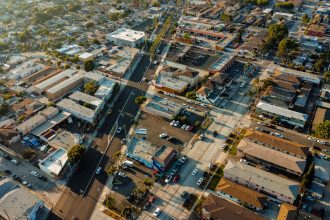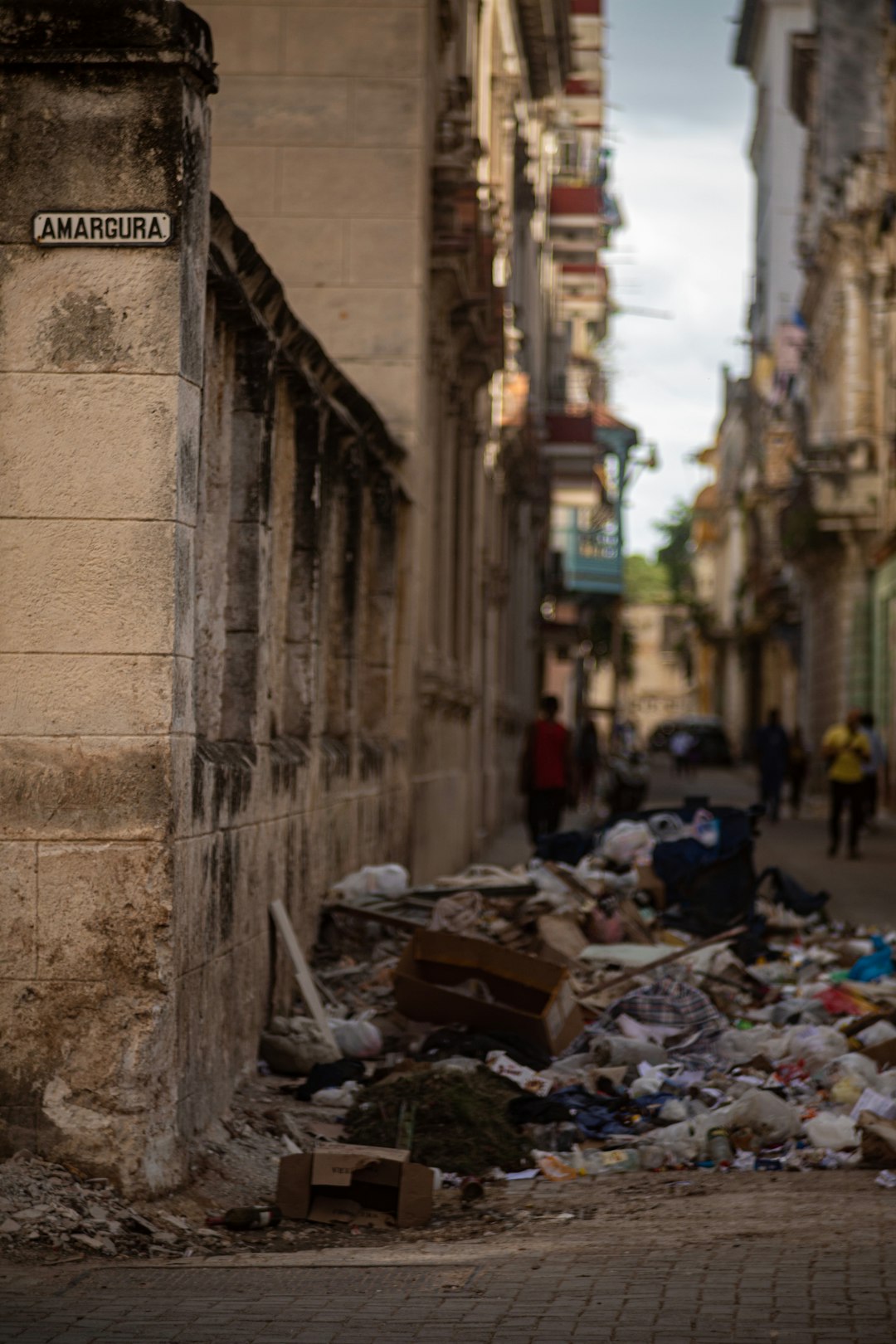
The first time I saw the dumpster pull up outside our bungalow in Silver Lake, it looked like a hulking metal island against a sea of jacaranda trees and parked Hondas. The driver cut the engine, the hydraulic groan sounded like a distant whale, and for a moment the street was filled with the smell of diesel and fresh-cut plywood. “You picked the right size,” my neighbor Luis called from his stoop in Spanish, squinting at the 20-yard container occupying the curb in front of our house. He was right — but choosing that metal rectangle would become the easy part.
Setup: Why a Dumpster Became Our Unlikely Hero
We had started with a small plan: refinish the hardwood floors and paint the kitchen. Within a single weekend, the plan mutated into gutting the bathroom, pulling up tile, and—somehow—removing the decades of accumulated detritus from previous owners: broken cabinets, a rusted treadmill, a stack of broken ceramic tiles, and a box of ancient film negatives that smelled faintly of mildew. The contractor, Javier, shrugged. “You want me to haul all that off? I can, but it takes time and drives up cost. A dumpster gets it out in a day.”
He was a local: born in Burbank, worked in Pasadena and Glendale, and he knew the Greater Los Angeles tapestry — narrow alleys in Echo Park, strict permit rules on Ocean Avenue in Santa Monica, and the thorny HOA in Brentwood. “City rules change block by block,” he said. “Trust me, call the hauler who knows LA.”
Rising Action: A Street, a Permit, and a Neighbor’s Concern
We learned how quickly a neighborhood can rally — or resist. Within an hour of the dumpster’s arrival, Mrs. Hargreaves from next door, with her perfectly coiffed hair and a voice like a bell, came out of her house in West Hollywood. “Is this staying here all week?” she asked, peering at the container like it was a new public art piece she hadn’t been consulted on. I explained the scope of the job, the expected pickup date, and the contractor’s plan. She squinted. “We have rules around our block. The HOA might fine you.”
Javier pulled out his phone, called the hauler, and in less than ten minutes we were in a conversation about permits: whether the dumpster would sit on private driveway or public curb, whether we needed a street obstruction permit from the Los Angeles Bureau of Street Services, and whether additional cones or lights were required for night safety. In Beverly Hills or Santa Monica, the rules felt like a different language. “Some places require a special permit for anything that blocks the meter or the curb for more than 24 hours,” Javier said. “Others want proof of insurance from the hauler.”
The tension rose when a city code enforcement officer slipped into view in a white cruiser. For a breathless minute, we imagined a ticket big enough to make the renovation stall. Instead, she asked a few pointed questions, checked the phone photo of our contractor’s dumpster permit, and issued a friendly reminder about placement. No citation, just a handshake and a note: “Make sure the container doesn’t block the fire hydrant at the corner.”
Key Insights: What Dumpster Removal in LA Really Looks Like
By the time the demo dust settled and the last tile clinked into the metal maw, I had learned the hard currency of dumpster removal in Los Angeles. Here are the lessons woven into our story, told through the practical moments that saved us time, money, and neighborly grief.
Size Matters: Dumpsters come in sizes: 10, 15, 20, 30, and 40 cubic yards are common. For our mid-century bungalow renovation, a 20-yard container fit the drywall, tile, and a mattress or two. For roofing work in Santa Monica or a major demolition in Long Beach, contractors often upsized to 30 or 40 yards to minimize multiple trips.
Permits and Placement: If the dumpster sits on public property — the curb, sidewalk, or the street — most Los Angeles neighborhoods require a permit. The Los Angeles Department of Public Works, Santa Monica’s Public Works, and Long Beach’s permit office each have their protocols. In narrow neighborhoods like Echo Park, you may also need cones and reflective signs for safety. In Malibu and the hillside neighborhoods of Pasadena, placement must consider steep grades and wildfire access.
What You Can’t Toss: Hazardous materials — paints, solvents, asbestos, fluorescent tubes, propane tanks, and certain electronics — are typically prohibited. A trustworthy hauler will advise and often provide separate handling for hazardous waste and E-waste, directing it to appropriate facilities. We discovered a box of old compact fluorescent lamps and had to set them aside for a special pickup.
Weight Limits and Overages: Dumpsters are rented by size and sometimes charged by weight. A truckload of concrete, soil, or shingles can trigger overweight fees. In Carson and Torrance, where heavy construction is common, haulers were meticulous about load composition to avoid surprise charges.
Recycling and Disposal: Los Angeles has ambitious recycling goals. Many haulers separate wood, metal, and inert materials for recycling or reuse. We watched as a worker named Maria separated a pile of copper pipes and tossed them into a different bin, saving us on landfill fees and contributing to the circular economy. Sunshine Canyon is a known landfill destination for LA waste; Long Beach haulers may use local transfer stations closer to the port.
Scheduling and Same-Day Service: In downtown LA, a same-day dumpster drop can change the pace of a project, but weekend and rush-time traffic sometimes bumps scheduling. Align with the hauler on drop-off and pickup windows, especially if your project is in a busy corridor like Culver City or near UCLA in Westwood.
Inspections and Insurance: Licensed haulers carry insurance and often have to show proof for certain permits. If your project is sizable, confirm the hauler’s liability coverage to protect against damage to public property or accidental spills.
Resolution: The Day the Street Quieted
By the third day, a rhythm had formed: Javier’s crew, the hauler’s team, and our neighbors all knew when the truck would come and go. I remember the sound of the final lift — the metal clink, the hydraulic sigh — and the space the dumpster once occupied felt oddly empty and clean, like the last page of a very satisfying book.
Mrs. Hargreaves waved from her porch. “You did it quick,” she said, softer than before. Luis brought over tamales and a grin. “No fines, eh?” he asked. “No,” I laughed, handing him a napkin. “Just a lot of dust and a lot of good advice.”
Javier stood with his arms crossed, looking at the cleared driveway where the dumpster had sat. “You know what the best part is?” he said. “You can see the sun hit that corner now. The house breathes. Plus, I found that ventilation duct was full of old insulation; we tossed it properly.”
There was relief in the neighborhood too. With the container gone, parking returned to its pre-dumpster rhythms, the block smelled less of sawdust, and the recycling bins along the curb stood like patient sentinels. The renovation continued, but the looming nuisance of debris had been vanquished.
Takeaway: What to Remember Before You Rent
If you take one thing away from our Silver Lake episode, let it be this: planning transforms chaos into progress. Here are the practical steps we wish we’d known from the start, condensed into a checklist you can use before ordering a dumpster anywhere in the Greater Los Angeles Area.
– Choose the right size. Little jobs: 10–15 yards. Whole-house gut: 30–40 yards.
– Check placement: Will it sit on your driveway or the street? If on the curb, contact your city’s public works for permit requirements — Los Angeles, Santa Monica, Long Beach, Pasadena, Glendale, and others each have nuances.
– Ask about prohibited items: paints, batteries, propane tanks, and asbestos require special handling.
– Understand weight limits and overage fees, especially for dense materials like concrete or mulch.
– Favor haulers who recycle and separate materials — it lowers costs and helps the environment.
– Confirm insurance and license details if your project requires permits or if the dumpster will be on public property.
– Coordinate drop-off/pickup windows to avoid traffic fines or neighborhood conflict. If you’re working in popular or busy neighborhoods — West Hollywood, Culver City, or the beachfronts of Santa Monica and Manhattan Beach — be especially punctual.
When the last plank was sanded and the kitchen paint dried, we hosted a small dinner on the patio. Under string lights and the breath of a cool LA night, neighbors who had once peered suspiciously at the metal rectangle clinked glasses and laughed about the early dust. “You turned a nuisance into a neighborhood story,” Mrs. Hargreaves said, smiling. Javier raised his glass. “And you learned the city’s secrets — the ones that save time and money.”
The dumpster was gone, but its impact lingered: the house felt lighter, the street felt as if it had exhaled, and we had a new respect for the logistical ballet behind throwing things away. In Greater Los Angeles, dumpster removal is not just about hauling debris — it’s about navigating city rules, respecting neighbors, and choosing partners who know the lay of the land from Long Beach to Malibu, from Pasadena to Inglewood.
On the last night, standing under a sky powdered with city stars, I listened to the distant sigh of a truck leaving the next block over and felt a small, steady gratitude. The hulking metal island had sailed away, and with it the weight of a weekend that could have been swallowed by chaos. The house had room to breathe again, and the neighborhood had a new story: how a dumpster, a permit, and a few good neighbors turned a renovation into a quiet victory.