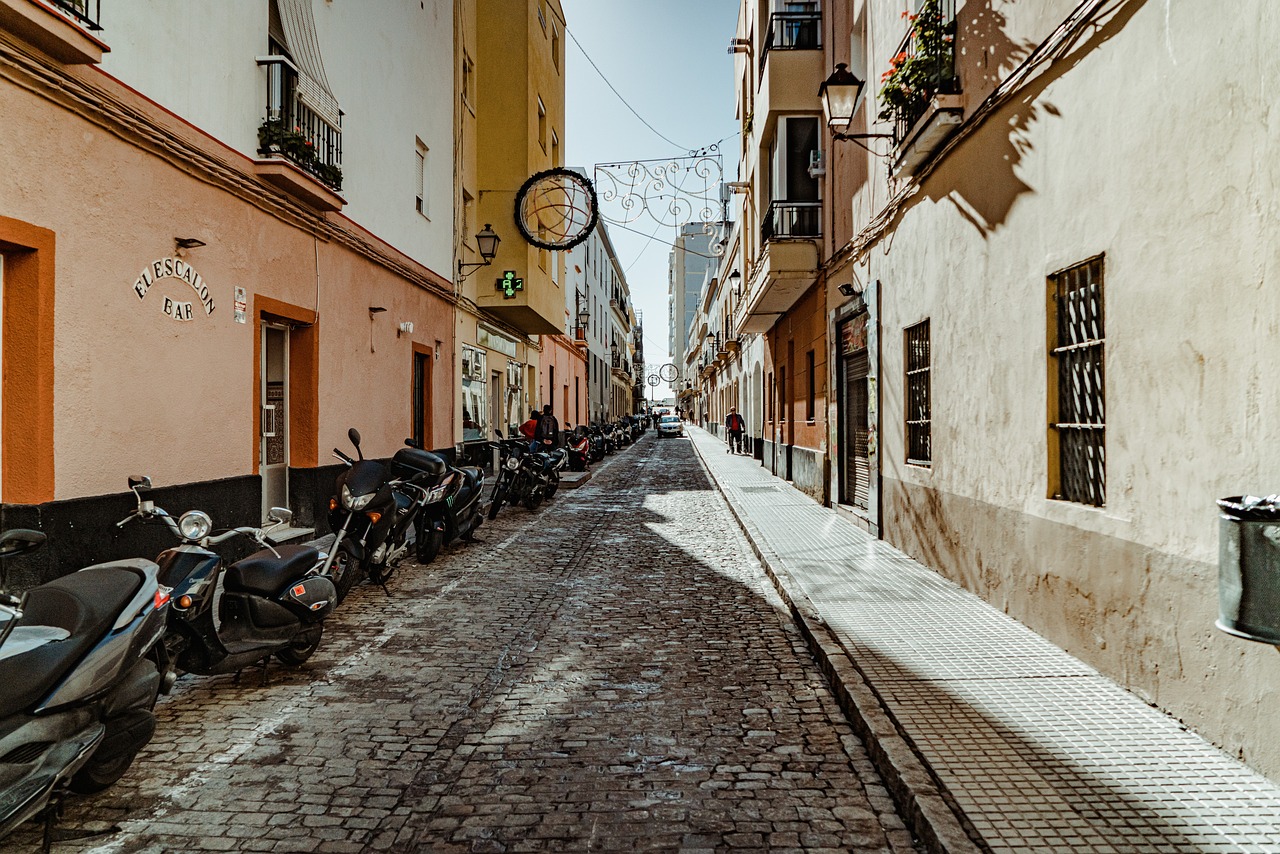
The first time I saw the alley behind Maria’s Crafts in Echo Park, I thought a small earthquake had rearranged the neighborhood: plaster dust settled like talc, plywood leaned against a palm tree, and the smell of fresh paint mixed with coffee from the café two doors down. In the middle of it all sat a battered 20-yard roll-off dumpster, orange paint chipped, newspaper pages fluttering like tired flags — and beside it, Luis, the contractor, and Jamal, the dumpster operator, arguing quietly about permits as a pair of photographers from Silver Lake framed the scene for an architecture blog.
Setup: Why One Dumpster Can Change a Block
Maria had bought the old Crafts storefront with plans to brighten the façade, create a workshop space, and finally expand into weekend classes. The building, built in 1923, hid decades of renovations and a surprising amount of junk: sagging plaster, a rusting sink, and the kind of old electrical wiring that makes contractors frown. She’d called Luis to estimate demo costs, and Luis had said she needed a dumpster. What she hadn’t expected was the choreography required to get one into that narrow alley behind a row of vintage Craftsman homes—nor the city rules that came with it.
‘You don’t just drop it and go,’ Jamal said, pointing at a laminated permit attached to his clipboard. ‘Los Angeles and nearby cities like Burbank or Glendale will ticket you if your dumpster sits on the street without a permit. Santa Monica will make you jump through hoops because they’re next to the beach; Beverly Hills—or West Hollywood for that matter—has rules about how it looks.’ His voice had the patient cadence of someone used to explaining the obvious to people in a hurry.
They negotiated the alley like sailors finding a channel: cones, plywood to protect driveway asphalt in Torrance and Long Beach where homeowners care about their pavement, and a tarp to keep dust from blowing into the café’s open doors. It became clear that dumpster removal in Greater Los Angeles is both an exercise in logistics and a kind of urban diplomacy.
Rising Action: The Things You Don’t See at First
As the demo started, small things multiplied. A busted box of antique light fixtures revealed mercury switches. A pile of old paint cans hissed when tipped. The plaster came down in clouds, and with it the precarious possibility of disturbing asbestos in the oldest walls. Luis stopped, forehead slick with sweat, and called his supervisor.
‘We need to test the old insulation. If it’s asbestos, we can’t just toss it in here,’ he said. He sounded tired but steady—familiar with LA jobs that turned into surprises when buildings from the 1920s gave up hidden histories.
That afternoon, a woman from Pasadena walking her dog stopped to watch. ‘You know, my neighbor’s place in Highland Park had the same issues,’ she said. ‘They didn’t test. Cost them twice as much in fines, and asbestos removal isn’t cheap.’ Her voice carried the wary knowledge of someone who’d learned rules the hard way.
Between phone calls to a materials testing lab and a frantic run to a hazardous waste drop-off in Los Angeles County, the narrative acquired tension: can Maria keep the project on budget? Will the alley stay clear enough for deliveries to the café? Can Jamal maneuver the dumpster out before rush hour and the commuter traffic through Inglewood?
Key Insights: What Dumpster Removal Really Entails in Greater Los Angeles
Watching the crew taught me more than any brochure could. Here are the insights threaded through their day-to-day decisions:
‘Size matters more than people think,’ Jamal said while measuring the doorway. Roll-off dumpsters come in common sizes—10, 20, 30, and 40 cubic yards. For a one-day demo like Maria’s, a 20-yard was perfect: big enough for plaster and fixtures, small enough to fit the alley. For full-house remodels in Pasadena or multi-home cleanouts in Glendale, contractors often choose 30- or 40-yard units.
‘Placement is key,’ Luis added. ‘If you put a dumpster on the street in areas like Santa Monica or Beverly Hills, you almost always need a street permit and maybe protection for the curb. In LA, the Department of Public Works will require traffic cones, signs, and sometimes a police detail if you block a major lane.’ His hands moved as he described maneuvering around parked cars, midday deliveries, and the occasional film crew that treats a residential street in Burbank like a set.
Other lessons came from smell and touch: separate hazardous materials—paint, solvents, batteries, and tires—do not belong in general roll-off dumpsters. Those items need special disposal via household hazardous waste (HHW) events run by LA County or through certified hazardous waste facilities. Jamal pointed to a dented paint can like a surgeon indicating a risky organ: ‘Put that in the HHW bin. This dumpster’s no place for it.’
Recycling and donation are practical as well as moral. Clean lumber, metal, and fixtures often get sorted out and salvaged. Nearby donation centers in Long Beach and Goodwill locations across Los Angeles accept fixtures and working appliances; some contractor crews schedule a pick-up for usable materials before the rest hits the dumpster. It saves landfill fees and gives materials a second life in homes across the city.
Then there are the soft rules—neighborhood expectations that matter. In West Hollywood and Beverly Hills, aesthetics and noise restrictions can mean scheduling pickups early in the morning or late in the afternoon. In contrast, industrial pockets of Inglewood or Torrance tolerate a different rhythm. Knowing the neighborhood is as important as knowing the codes.
Resolution: The Day the Alley Cleared
After a week of careful work—testing, segregating hazardous items, and scheduling two separate trips, one for recyclable metals and another for mixed C&D like plaster and drywall—Maria’s storefront began to breathe. The dumpster that had once seemed like an eyesore became a stage for change. Jamal’s truck rolled away on a bright Thursday morning, the rear lights glinting as the alley settled back into its quiet balance: the smell of coffee returned to the café, the photographers packed their gear, and the neighbors nodded to each other with a new sense of approval.
‘You did good,’ Luis said to Maria, wiping dust from his hands. ‘You planned, tested, and didn’t rush. That’s the trick in LA—plan for the unpredictable.’ She laughed, exhausted and relieved, and said, ‘I never thought a dumpster would be the fulcrum of this whole project.’ Jamal replied with a grin, ‘In this town, a dumpster is an unsung hero.’ The crew clapped and someone popped a small bottle of sparkling water to celebrate—a modest ritual after a job well done.
Takeaway: Practical Steps and Lasting Images
If you carry one image from this story, let it be this: a bright orange dumpster, sun glancing off the skyline of downtown Los Angeles in the distance, a row of palm trees, and a team that turned chaos into order with measured decisions. For anyone planning a cleanout, remodel, or site prep in Greater Los Angeles, remember these steps:
- Choose the right size. Match the dumpster to the job—bigger isn’t always better.
- Check permits. Call your city: Los Angeles, Santa Monica, Long Beach, Pasadena, Glendale, Burbank, Inglewood, Torrance, West Hollywood, and Beverly Hills all have nuances.
- Protect the driveway. Use plywood under the dumpster to avoid damage, especially in older neighborhoods.
- Separate hazardous materials. Paint, batteries, tires, and asbestos need special handling—use HHW sites or certified removal services.
- Recycle and donate. Salvage what you can; it reduces landfill fees and supports local charities.
- Plan for logistics. Consider pickup windows, neighborhood aesthetics, and pedestrian access—especially in busy commercial corridors or quiet residential streets.
- Communicate with neighbors. A brief note or sign explaining the work and timeline in areas like Santa Monica or West Hollywood can prevent complaints.
As we watched Maria unlock the shop door on opening day, the new paint catching the sun like a promise, a neighbor from across the street called, ‘It looks like the old place woke up!’ The alley felt fuller, not with debris but with possibility. Jamal loaded his gloves into the truck, the city skyline shrinking behind him, and the dumpster—now just a memory on a list of completed jobs—left a quiet cleanliness in its wake.
In Greater Los Angeles, dumpster removal is more than hauling away trash. It’s a sequence of decisions, permits, and human exchanges that together clear space for new life—workshops, homes, cafés, and gardens. When done with care, it becomes a small act of civic renewal. When done carelessly, it can cost time, money, and goodwill. Maria’s alley, once a river of debris, had been rerouted into a steady channel that flowed toward something new: classes starting in a sunlit room, neighbors lingering over coffee, and the city humming on—slightly cleaner, slightly brighter, and ready for the next story.