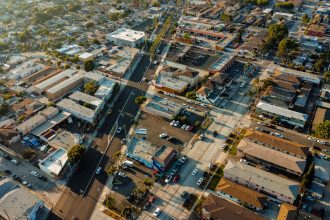
By seven-thirty on a bright, wind-swept Echo Park morning, Maria watched a metal rectangle lower itself onto her street and felt something like relief and something like dread at the same time. The roll-off dumpster smelled faintly of oil and old timber; a gull cried in the distance, and the diesel growl of the truck mingled with the faintway hum of the 101 freeway. She had called three companies, compared quotes, and finally chose a driver named Jamal who promised punctuality and no surprises. But as the dumpster hit the asphalt with a thud, a neighbor leaned out of her balcony and shouted, “Do you have a permit for that?”
Setting the Scene: Renovation in the Heart of the City
Maria’s two-story bungalow—an echo of Spanish tile and chipped stucco—had stood in Echo Park for thirty years. The kitchen renovation was overdue, and Luis, the contractor from Culver City with a laugh like gravel, had insisted on getting rid of all the old cabinets, tile, and a lifetime’s collection of mismatched nails. “We’ll need a twenty-yard,” he said, tapping the blueprints with a pencil. “And we’ll need it parked on the street for at least a week.”
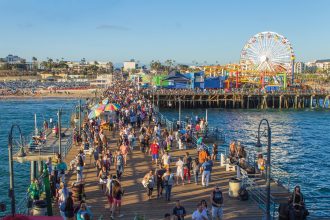
The neighborhood smelled of roasted coffee and citrus trees. Children on bicycles wove between parked cars; a dog barked at a skateboarder. Across town, in Santa Monica, a different kind of dumpster drama could unfold—near the boardwalk the wind carries everything: sand, kelp, and the chances of fines if construction debris blows into storm drains. On the other side of the city, in Burbank, a director might call for a set tear-down requiring multiple containers delivered overnight to avoid film schedule conflicts. In Los Angeles, dumpsters are part of the scenery as much as palm trees and freeway overpasses, and each neighborhood imposes its own rhythm and rules.
The Complication: Permits, Neighbors, and the Inspector
By noon, the street had blossomed into a small construction site. The dumpster was full of plaster dust, broken tile that glinted like dull mirror shards, and the pungent, sweet smell of sawdust. A woman named Rosa—Maria’s upstairs neighbor—stamped down the stairs and said, “It’s blocking my parking spot!” Mia, from three doors down, added, “Who authorized this?”
Jamal wiped his hands on his jeans and smiled a little tight smile. “We put up temporary no-parking signs,” he said. “But for curbside placement in Los Angeles, you usually need a permit from the Bureau of Street Services. In Santa Monica and Beverly Hills, it’s even stricter—coastal stormwater rules and aesthetic regulations can add hoops.”
That afternoon, an inspector from the city walked up with a clipboard and the deliberate gait of someone who had seen too many DIY disasters. He peered into the dumpster, frowned at a pile of old paint cans partially hidden beneath drywall, and asked whether they had separated hazardous materials. Luis looked sheepish. “We thought they’d be fine,” he said. “We’ll sort them out.”
The tension rose like heat off the pavement. A fine for improperly disposed hazardous material in Los Angeles County can be steep; coastal municipalities add the possibility of penalties if debris reaches drains or beaches. A neighbor called the homeowner association in nearby West Hollywood, and suddenly Maria felt the renovation like an oncoming tide—beautiful and necessary, but potentially destructive if not handled right.
Rising Action: Choices, Costs, and the Clock
Choices in dumpster removal often hinge on size: 10-yard containers are small, like the size of a minivan’s cargo bay, good for small cleanouts in a dense Venice alley. A 20-yard—the workhorse—handles medium remodels like Maria’s kitchen. For whole-house demos in Long Beach or a commercial site in Culver City, 30- and 40-yard dumpsters swallow whole rooms.
Cost factors multiplied through the day. “Weight matters,” Jamal told Maria as he balanced a clipboard on his knee. “Landfill fees, distance to the transfer station—Sunshine Canyon for northern LA, South Gate for southeast—truck time, how long you keep it, and whether you need a permit for the curb all add up. And watch for prohibited items: tires, mattresses in some zones, electronics, and hazardous liquids.”
Maria learned that Friday deliveries were prime time—weekend projects, faster turnover, and sometimes a premium. She also learned that some companies offer recycling programs: concrete crushed for road base, lumber salvaged for reuse, metals separated and sold. “We try to donate what we can,” Jamal said, remembering a load that turned into a donation to a Habitat for Humanity ReStore in Pasadena. “It feels better than sending everything to a hole in the ground.”
Key Insights Woven into the Story
As the project continued, Luis, Maria, and Jamal developed a pragmatic choreography. They sorted, labeled, and stashed materials. Old cabinets went to a charity pickup in Glendale; plaster dust was bagged and covered to avoid dust storms; oily rags and leftover solvents were taken to an LA County Household Hazardous Waste facility in Commerce to be handled properly.
Here are what they learned, illustrated by small scenes:
- Permit basics: In the City of Los Angeles, a street-space permit is required if the dumpster sits on public property. “We printed ours off the Bureau of Street Services site and displayed it on the dashboard,” Luis said. In places like Santa Monica or Malibu, check coastal commissions or city public works first because stormwater and public-access concerns can affect approvals.
- Size matters: For a kitchen, Maria discovered that a 20-yard container allowed her team to toss cabinets, tile, and old flooring without overflowing. “If you underestimate, you pay double—overage fees or a second hauling charge,” Jamal warned.
- Timing and traffic: Schedule drop-offs during off-peak hours in traffic-prone areas like downtown LA or near LAX in El Segundo. Night deliveries sometimes require special permits in neighborhoods such as Beverly Hills where noise ordinances are enforced.
- Sorting and recycling: Metals, concrete, and clean wood can often be diverted. Jamal’s company hauled metal to a recycler in Vernon and clean lumber to a repurposing yard in San Pedro. “It reduces landfill weight, and sometimes we get a small credit,” he said.
- Hazardous waste: Paint, solvents, certain batteries, and electronics are not for the dumpster. Take them to designated drop-off sites or arrange a special pickup. In Los Angeles County, there are regular HHW events and permanent facilities.
- Neighborhood diplomacy: A little communication goes far. Maria printed a cardboard sign explaining the project, the expected end date, and a contact number. The neighbor with the blocked space appreciated the courtesy, and the HOA complaint resolved quickly.
A Tense Turn: The Complaint and the Calm
Three days in, a complaint from a nearby homeowner association arrived. Someone had seen debris on the sidewalk and called the city. Maria’s stomach sank. An inspector arrived and the possibility of a citation hung like smog. Luis and Jamal scrambled; they swept debris, tightened tarps, covered open paint cans, and drove a few loads earlier than planned to reduce the volume. Maria offered cold water to the crew and felt grateful as the inspector grunted approval after a meticulous check. “You avoided a big one,” he said. “Keep that dumpster covered and avoid overfilling.”
The collective exhale felt like the breeze that moves across the LA basin, clearing the low cloud of tension for just a moment. The crew learned to double-bag dusty materials, secure loose items to prevent wind scatter—critical near oceanfront spots like Venice and Santa Monica where the wind can carry debris to the sea—and keep a log of donations and recyclables to show the inspector if needed. “Documentation is your friend,” Jamal said, handing Maria a small stack of delivery tickets and a recycling manifest.
Resolution: The Last Load and the Quiet Street
On the final morning, the dumpster looked smaller—less like a threat and more like a vessel of transformation. The last load was a stack of reclaimed wood that Maria had decided to let a local artisan in Highland Park pick up. He arrived in a small truck, eyes gleaming at the salvaged planks. “These will become a dining table,” he said, running his hands along grain that had once framed a window decades ago.
When Jamal’s truck returned for the final haul, the curb felt unusually empty. The no-parking signs came down; Rosa waved as she returned to her space. The street seemed to breathe again—the city’s relentless motion replaced for a moment by a domestic calm. Maria paid the invoice, tipped the crew, and signed the final delivery ticket. Luis promised to come back to install the kitchen island, and Jamal cracked a joke about meeting her at the grand re-opening barbecue.
Takeaway: What to Remember When You Need a Dumpster in Greater Los Angeles
From the gull-swept piers of Santa Monica to the studio-lined avenues of Burbank, dumpster removal in Greater Los Angeles is both ordinary and complicated. If you’re about to start a project, remember a few essentials enacted in Maria’s story:
- Check local rules: Each city—Los Angeles, Santa Monica, Beverly Hills, Long Beach, Pasadena, Glendale, and others—has specific permit and placement rules. Start with the city public works website or call your local bureau to confirm requirements.
- Choose the right size: Think about volume and weight. Oversizing wastes money; undersizing costs more in the long run.
- Plan for hazardous materials: Separate paint, solvent, batteries, and e-waste. Use county HHW facilities and check for special pickup services.
- Prioritize recycling and donation: Divert metals, clean wood, and fixtures when possible. Local nonprofits and salvage yards in San Pedro, Pasadena, and Glendale often accept usable materials.
- Communicate with neighbors: Post notices, share a contact number, and keep the area tidy—dust and loose debris are the fastest ways to earn complaints.
- Document everything: Permits, delivery tickets, recycling manifests, and receipts protect you from fines and make audits easier.
At dusk, Maria stood on her porch and watched the last crumb of the project settle: the streetlamps flickered on, and the city unfurled its neon like a second sky. The dumpster was gone, but the house already felt different—lighter, planned, ready. A piece of reclaimed wood sat leaning against the garage, waiting to become the table where friends would argue over tacos and timelines. In the distance, a plane traced a white line across the purple above LAX; somewhere, a crew in Burbank was setting up lights for a late show. Los Angeles keeps building and rebuilding, and the humble dumpster is one of its instruments: noisy, inconvenient, absolutely necessary. Maria closed her door and, for once, slept without the gnawing worry that had haunted the project’s first day. Outside, the city carried on, patient and unknowable, but a little cleaner and more organized than it had been the week before.
She kept one photograph of the final, empty curb—an ordinary Los Angeles street lit by a perfect golden hour. It was a small image of resolution: a sunset washed over palm trunks, the curb shining where a great metal box once sat, and the promise that the work had been done responsibly and well. That image stayed with her—an emblem of what happens when neighbors, contractors, drivers, and city rules converge and create something better than any one of them could have done alone.