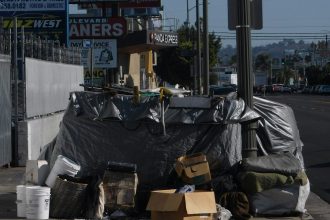
The first sound was a metallic sigh: the dumpster’s lid sliding open like a reluctant theater curtain. Maya stood on the cracked steps of her Silver Lake bungalow, coffee growing cold in her hand, and watched a chorus of city smells—fresh paint, wet concrete, distant gasoline—wrap around the bright, graffiti-streaked bin that had just been lowered into the alley. She had imagined the mess of her remodel for months, the plaster dust like snow on the hardwood, the cabinets gone and a new kitchen humming in their place. What she didn’t imagine was navigating a patchwork of permits, pickup schedules, and asphalt poetry that stretches from Santa Monica to South Central. “This is where the city meets your plan,” her contractor Luis said, wiping paint from his palm as if it were a badge of honor.
Setup: A Neighborhood, a Project, and a Plan
Silver Lake’s alleys have their own small ecosystems—bikes propped against cinderblock walls, succulents in recycled jars, the faint thud of a bassline from a nearby house. Maya’s renovation had called for a 20-yard dumpster parked across the alley for five days. She had thought ordering a container would be as simple as tapping an app. Instead, she found herself juggling LADOT permits, worried neighbors in Echo Park, and the question of whether the dumpster crew could squeeze between parked cars on Rowena Avenue.
“We can do the whole job in three runs if we stage it right,” Luis said, tracing the alley on a crumpled site map. “But you’ll need a street permit for any placement that blocks traffic or sits on the curb. And if you want it on the bonnet of the street, expect signs and maybe a small fee.” His voice had the steady cadence of someone who’d hauled away other people’s messes from Hollywood remodels to Malibu beach cottages.
Rising Action: When Timing, Trucks, and Regulations Collide
Two days later, at dawn, a behemoth of a truck lumbered down the alley like a whale finding a canal. The driver, a tall woman with work gloves mottled in concrete, backed with precision, the air filled with the metallic groan of hydraulics. Neighbors peered from windows—someone in a robe, a teenager with earbuds—watching this ritual of city logistics. A delivery truck had been poorly parked two houses down, and a parked van had to be shuffled. “We always coordinate with neighbors and pick the quietest window—usually early morning or late morning—so people with rush-hour plans aren’t impacted,” the driver called out when Maya asked.
But even with coordination, surprises arrived. The city’s alley inspection flagged a concern about stormwater runoff and loose plaster that might spill into municipal drains during the next rain. “You might need a covered dumpster or tarps,” an inspector advised over the phone, and suddenly Maya’s practical problem had an environmental dimension. She could see Luis crouching to examine the dumpster’s base, considering tie-downs, lids, and the surrounding cobbles as if choosing armor for a medieval siege.
Key Insights: What Dumpster Removal Looks Like in Greater Los Angeles
Between the scenes—Santa Monica beachfront renovations, a kitchen demo in Pasadena, and a garage cleanup in Torrance—there are concrete rules and sensible habits that make dumpster removal smooth. Here are the practical lessons that emerged for Maya and that any Angeleno should know.
Sizes and uses: Dumpsters come in common sizes: 10-, 15-, 20-, 30-, and 40-yard containers. A 10-yard bin suits small cleanouts and single-room demos; 20- to 30-yard units are typical for whole-kitchen or small-home remodels; 40-yard bins are used for major construction or commercial clear-outs. In Glendale, for a townhouse cleanout, Maya’s neighbor opted for a 15-yard and saved money by keeping items sorted as they went.
Permits and placement: In Los Angeles proper, any dumpster placed on public property—curb lane or alley—usually requires a permit from LADOT. That includes temporary no-parking signs and sometimes cones for safety. Private driveways rarely need permits, but narrow streets in Hollywood or West Hollywood may require coordination so emergency vehicles still have access. In cul-de-sacs in Culver City or older neighborhoods in Burbank, placement planning is everything.
Environmental rules: Not everything in your pile can go into a dumpster. Hazardous materials—paints with lead, solvents, pool chemicals, asbestos, certain batteries—need special handling and often go to designated household hazardous waste facilities. Recyclables like metal, concrete, and clean wood can often be diverted to recycling centers in Long Beach or specialized yards in the San Gabriel Valley. Many reputable haulers will sort and divert materials to reduce landfill fees and lower your carbon footprint.
Costs and transparency: Dumpster pricing depends on size, rental duration, weight, and disposal fees. A typical 20-yard rental for a week might range widely—often several hundred dollars—plus additional costs if your load exceeds weight limits or contains prohibited items. The best providers in Los Angeles, from Santa Monica to Inglewood, itemize fees: base rental, delivery/pickup, tonnage fees, and permit handling if they provide that service.
Timing and logistics: Plan ahead. Busy seasons—spring and late summer—fill up quickly. A homeowner in Pasadena told Maya how his late-June demolition stalled for two weeks because the chosen hauler was booked through the month. Reserve early and confirm the pickup window, especially if you’re coordinating with tradespeople.
Interlude: Conversations in the Alley
As the day warmed, a skateboarder from nearby slid past and asked if she could use a fragment of the old countertop as art material. Maya laughed and handed over a small slab. An elderly neighbor leaned on a cane at the edge of the yard. “You young people always do big projects,” she said, smiling, remembering when she had replaced her roof in Burbank. “But the trick is to know who’s hauling your trash. Some crews leave the site worse than they found it.” Luis nodded. “We carry tarps, brooms, and a promise to leave it swept. We also separate metal and wood—that saves the owner money and keeps recyclers happy.”
Rising Action Continued: The Twist—A Mixed Load and a Tight Deadline
Midweek, Maya found an old tub of paint mixed in with drywall. It made the load a mixed one with a questionable percentage of liquids, which can complicate disposal and possibly trigger an extra charge. “You can’t dump this with the drywall,” the hauler told her. “It’ll get flagged at the transfer station. We can remove it separately, but it’ll be an add-on.” Her stomach sank at the surprise fee, but the alternative—leaving the paint for someone else—felt worse.
She remembered a friend in Long Beach who had donated salvageable cabinets to a local ReStore, and a conversation with a Pasadena neighbor who salvaged copper piping for resale. Suddenly the project wasn’t just about hauling waste away; it was about triage and decisions. Maya and Luis spent an hour sorting: metals to the side, hazardous materials in a clear bag for hazardous waste pickup, and reusable items listed on a neighborhood swap group. The rhythm of the job changed—less throwaway, more curation.
Resolution: The Final Pickup and the City at Work
On pickup day, the truck arrived with a few extra hands. The driver congratulated Maya on how cleanly they’d sorted the materials. “You saved on weight fees and helped us divert a bunch to recyclers,” she said, pointing to neatly stacked metal and a pallet of intact wood. The dumpster’s jaws closed with the final clank, and the truck’s engine purred as if satisfied. A flock of pigeons took off from a nearby rooftop, and beyond them, the downtown skyline cut the sky like a serrated promise.
Maya felt a small, steady sense of completion that had nothing to do with countertops or cabinets. It had to do with community—neighbors who’d helped keep a shared alley tidy, a contractor who swept the site, a-hauler who recycled and explained, and rules that nudged people toward better choices. From Malibu cottages with ocean-wind worries to industrial corners of the Harbor, the shape of dumpster removal in L.A. is a local choreography between residents, regulations, and the haulers who do the heavy lifting.
Takeaway: What to Remember and Do
When your project in Los Angeles—from Santa Monica to Torrance, Burbank to Inglewood—requires dumpster removal, remember these practical steps:
– Plan early: Reserve your dumpster in advance, especially in busy seasons. Confirm drop-off and pickup windows with the hauler.
– Choose the right size: Match the dumpster size to your project to avoid extra trips or overpaying.
– Check permits: If the container will sit on public property, apply for LADOT permits or choose a hauler that handles permits for you.
– Sort and salvage: Separate metals, clean concrete, and reusable items. Consider donating usable fixtures to local charities or listing them for reuse.
– Know the rules: Never put hazardous materials in a standard dumpster. Use designated HHW facilities for paints, solvents, and asbestos.
– Ask about recycling: Pick a hauler that diverts materials. It can save money and reduce landfill impact.
– Communicate with neighbors: A quick note about timing and placement avoids surprises and builds good will.
Maya watched as the truck turned the corner, its taillights blinking like a lighthouse in city traffic. The alley looked smaller now—swept and quieter—but the neighborhood’s textures remained: a scent of citrus from someone’s backyard, the muffled thump of a bass line across the hill, the distant shimmer of the 405. Her kitchen would be finished soon; the new counters would gleam under pendant lights, but what stayed with her was the alley’s last look: clean, ordered, a small intersection of private life and municipal care. Luis clapped his hands, collected his tools, and said, “Another one checked off. Same steps everywhere—plan, sort, permit, pick up. Treat it like choreography, and the city steps with you.”
The dumpster had been just a box, heavy and ungainly, but in the hands of people who paid attention—neighbors, contractors, drivers, and city workers—it became part of a different story: one of reuse, of local rules put to use, and of a small urban ritual that kept Los Angeles moving. Maya closed the door to her bungalow and glanced once more at the alley, now empty but humming with city life. Somewhere in the distance, the ocean tides whispered through Santa Monica, joining the clack of tires and the quiet resolve of a neighborhood that had just done the right thing.