The alley behind our duplex smelled of salt and motor oil the way Los Angeles smells in late summer — sun-warmed concrete and the faint, sharp tang of someone grilling fish three blocks over. It was the day the pile that had been growing for months finally tipped the scales: a leaning stack of plywood, a mattress with a mangled spring, a chorus of paint cans, and a floral armchair that had once belonged to Mrs. Cortez on the corner of Hill Street and Sunset. ‘We can’t live like this anymore,’ Maria said, rubbing her forearm as if she could wipe away the weight of the junk. Her voice had the same flat, determined tone she used when organizing PTA fundraisers and dog-walking routes. This time she was organizing a dumpster.
Setting the Scene: A Neighborhood and Its Stories
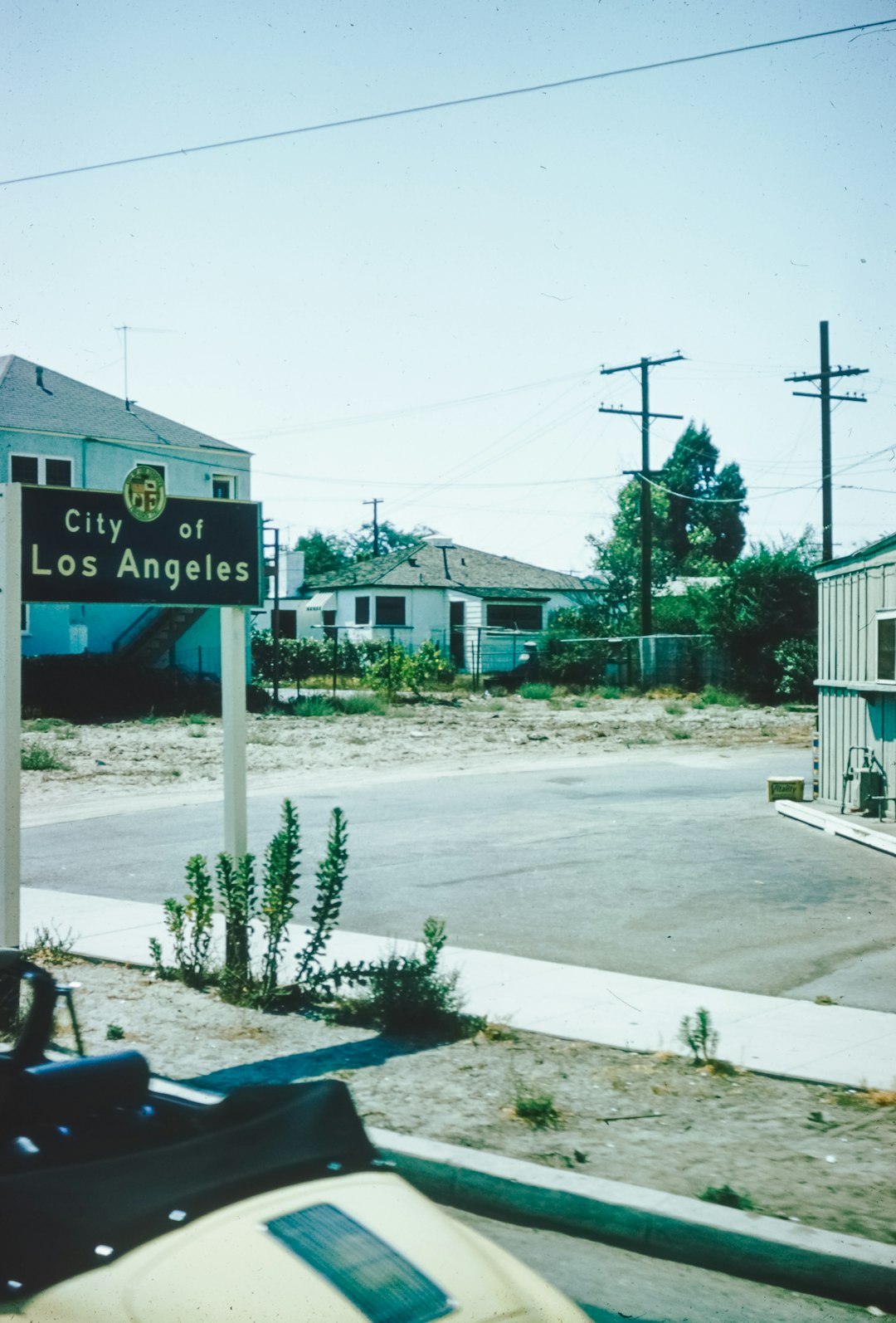
Los Angeles neighborhoods tell stories in layers. In Echo Park, crepe myrtles hide vinyl fences. In Santa Monica, ocean air carries the sound of skateboards and distant gulls. In Burbank and Glendale, the hum of studios and post-production creates a rhythm. On our block, the story was one of deferred projects — renovations frozen mid-swing by budgets, time, or plain exhaustion. The refuse had become a character: stubborn, heavy, and stubbornly local.
‘You ever think about the things people throw away?’ Carlos asked, watching a pigeon examine a discarded lampshade. ‘It’s like you can read their weekends.’ He laughed, but his eyes were serious. We all felt the pressure: neighbors murmuring about alley access, delivery drivers struggling to pass, and, most worryingly, the city inspector’s orange notice tacked to a mailbox two weeks earlier.
Rising Action: The Hunt for the Right Dumpster
Finding a dumpster in Greater Los Angeles is not as simple as dialing a number. There are regulations in the City of Los Angeles that a downtown homeowner might not know but a contractor does, and then there are the quirks you find in Pasadena or Long Beach. We started with an online search at our kitchen table — coffee cooling under a lamp, the phone casting a glow on a stack of renovation plans — and ended up on the phone to three different companies, comparing sizes, permits, and price quotes.
‘We can get a 10-yard for you by tomorrow morning, but you’ll need a street permit if it’s on public property,’ explained Jamal from the hauling company in North Hollywood. His voice was practical, like someone who’d seen every angle of putrid couches and broken microwaves. ‘If you put it on your driveway in Beverly Hills or Glendale, no permit usually. But in Los Angeles proper, that curb is city property. We can pull the permit for an extra fee.’
We learned quickly: dumpster sizing matters. A 10-yard bin fits a small kitchen remodel; 20-yard cuts across medium clean-outs; 30- and 40-yard containers answer construction and commercial needs. Weight limits, load distribution, and material types became not just abstract numbers but practical constraints. No roofing shingles in residential dumpsters without a special permit, no e-waste tossed in with drywall, and definitely no hazardous waste like solvents or certain batteries.
Key Insights Woven into the Story
As we negotiated the logistics, Maria and I discovered rules the hard way: the city requires permits for any container on the street in Los Angeles, Santa Monica has strict recycling requirements, and Long Beach charges specific tipping fees at municipal transfer stations that make materials separation financially wise. ‘Sort it before it goes in,’ Maria quoted our new contractor, Hector, who’d been renovating a bodega in Boyle Heights for years. ‘There’s money in recycling, and there’s peace in knowing you didn’t add to a landfill unnecessarily.’
Hector showed us, hands-on, how to separate loads. ‘Metal goes here, dense materials there, and you never mix in mattresses without telling the hauler — they charge extra.’ He clapped a palm to his forehead. ‘And if you think you can squeeze two rooms’ worth of junk into a 10-yard box for the price of one, you’re in for a surprise at the weighbridge.’
We also learned about time windows: many Los Angeles neighborhoods restrict placement hours to avoid overnight obstruction; some homeowner associations in Brentwood and Westwood require written approval. Local companies often include permit pulling, which adds convenience but also cost. The trade-off was clear — hire someone experienced with LA zoning and you avoid notices, fines, and the awkwardness of neighbors’ complaints.
Moments of Tension: A Permit and a Party
Three days before the dumpster was due, we got an urgent text: the city inspector had scheduled a run-through for the alley. At the same time, our landlord announced he’d be showing the property to potential tenants the next morning. The alley needed to look less like a cold-storage of other people’s projects and more like a place where people lived thoughtfully.
‘We either rent a smaller container now and a bigger one later, or we get one large enough and commit,’ Maria said. The decision felt oddly symbolic. Commit to clearing the past, or nibble at it forever. ‘Let’s do the big one,’ I said, because suddenly the idea of one definitive clean-out felt like opening a window after a long winter.
The 30-yard roll-off arrived with the dramatic presence of a parade float. Two men in reflective vests and the smell of diesel stepped out, and the dumpster unfolded into the alley like a metal maw ready to be fed. ‘We’ll place it here,’ the driver said, pointing to a patch of sun-dappled concrete between two hedges. He was patient and exact; he knew exactly how the vehicle had to sit to avoid the city’s teeth.
Hands-on Lessons: How We Filled It
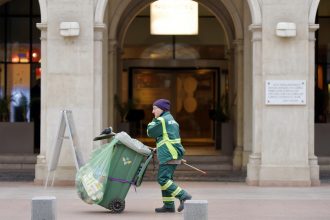
Neighbors formed a steady assembly line. Mrs. Cortez, who’d once hosted us for tamales, brought a box of old kitchenware. A young couple from across the street carried out a defunct barbecue. We sorted as we moved, labeling piles for metal, wood, and things that might still have life. The process became social: advice traded, stories told.
‘You see that old wooden table?’ said Omar, the teenager who delivered packages on his bike. ‘My dad rescued something like that and turned it into a bench.’ He wiped a splinter from his palm and grinned. The bench idea felt like the right ending for something soon-to-be-dumped — reuse before discard.
We learned how to avoid common pitfalls: don’t overload the container beyond the legal ‘overfill’ line; don’t place hazardous liquids in paint cans without drying them out; and always keep materials that require special disposal, like electronics or appliances with refrigerant, separate so the hauler can route them properly. It wasn’t just about following rules — it was about being considerate to the city that would take the rest when we couldn’t.
Resolution: The Alley Breathes Again
By dusk, the dumpster was half-full. The pile we’d once looked at every morning had been transformed into a managed, shrinking presence. There was a rhythm to our work: lift, pass, drop, sort. Laughter threaded through the effort as someone held up a ceramic pineapple lamp and declared it ‘an artifact of 1983.’
When the truck returned for the final haul, the crew was efficient, fastening chains and securing the dumpster with practiced ease. The diesel engine puttered to life, lights blinked, and the bin rode away with a clank that sounded like finality. An odd hush followed — not emptiness but the kind of quiet that comes after a storm clears. The alley looked different: more open, lighter, as if the street had exhaled.
‘Feels like we stole an hour of sunshine back,’ Maria said, leaning against the gate. We all laughed, then looked up where sunlight hit the side of the house and painted it gold. The air smelled faintly of garlic from some neighbor’s kitchen and something cleaner — like a room that’s been dusted.
Takeaway: Practical Tips Woven with Memory
Our week with the dumpster taught practical lessons that any Angeleno should know, but it also unspooled a softer truth: clearing physical clutter can clear emotional clutter too. For practical steps: choose the right size dumpster for the job, check local regulations (Los Angeles Department of Public Works, Santa Monica’s recycling rules, Long Beach’s transfer station policies), separate recyclables and hazardous materials, and factor in permit costs and tipping fees. If you live in a city neighborhood, ask the hauler to secure permits — it’s worth the cost to avoid fines. Call around; local haulers in Pasadena, Torrance, Anaheim, and Downtown LA will often offer different rates and services.
But beyond that, consider the community angle. Invite a neighbor to help. Offer reusable items to local swap groups. Think about donation centers — Goodwill and local charities in Los Angeles often accept furniture and working appliances, reducing landfill contributions and helping neighbors.
Last Image: A Small Victory, Wide as Sunset
That evening, the sidewalk seemed longer, the sunset more visible between palm trunks. We stood with cold drinks, watching the sky move through pink to violet. Mrs. Cortez came out with a folding chair and sat down with a sigh. ‘You know,’ she said, fingering the fabric of her skirt, ‘the city looks nicer when we all take care of our part.’
Somewhere in Hollywood, a single film light glowed like a second moon. In the distance, the Hollywood Hills were silhouettes against the dusk. Closer in, a breeze ruffled the household garbage cans queued for pickup, and the alley smelled like citrus and something like possibility. The dumpster was gone, but its absence was its presence: a tidy space where neighbors could cross paths again without negotiating around debris. That quiet victory — a restored passage, reclaimed sunlight, a shared cup of relief — felt very much like Los Angeles: messy and brilliant, always in the middle of being made anew.
Image Prompt
Photorealistic scene at dusk on a residential Los Angeles alley with palm trees and the silhouette of the Hollywood Hills in the distance. Foreground: a large steel roll-off dumpster being lifted onto a flatbed truck by workers wearing neon safety vests and work gloves; reflective strips on vests catching the golden hour. Nearby: neighbors of diverse ages and ethnicities — a woman with a stroller, an elderly man in a folding chair, a teenager on a bike — watching and chatting, boxes and separated piles for metal, wood, and recyclables visible. Side details: a permit posted on a utility pole, city stickers on recycling bins, a stop sign with a sticker reading ‘Sunset’, a vintage floral armchair leaning against a gate, the warm glow of string lights from a nearby porch, and a faint view of the Hollywood sign on the ridge. Textures: dusty concrete alley, scuffed paint on the dumpster, reflective chrome on the truck, sunlit palm fronds, and a hint of ocean breeze in the lighting. Mood: communal, industrious, and hopeful, with cinematic warm tones and crisp, high-detail, 35mm lens photorealism.