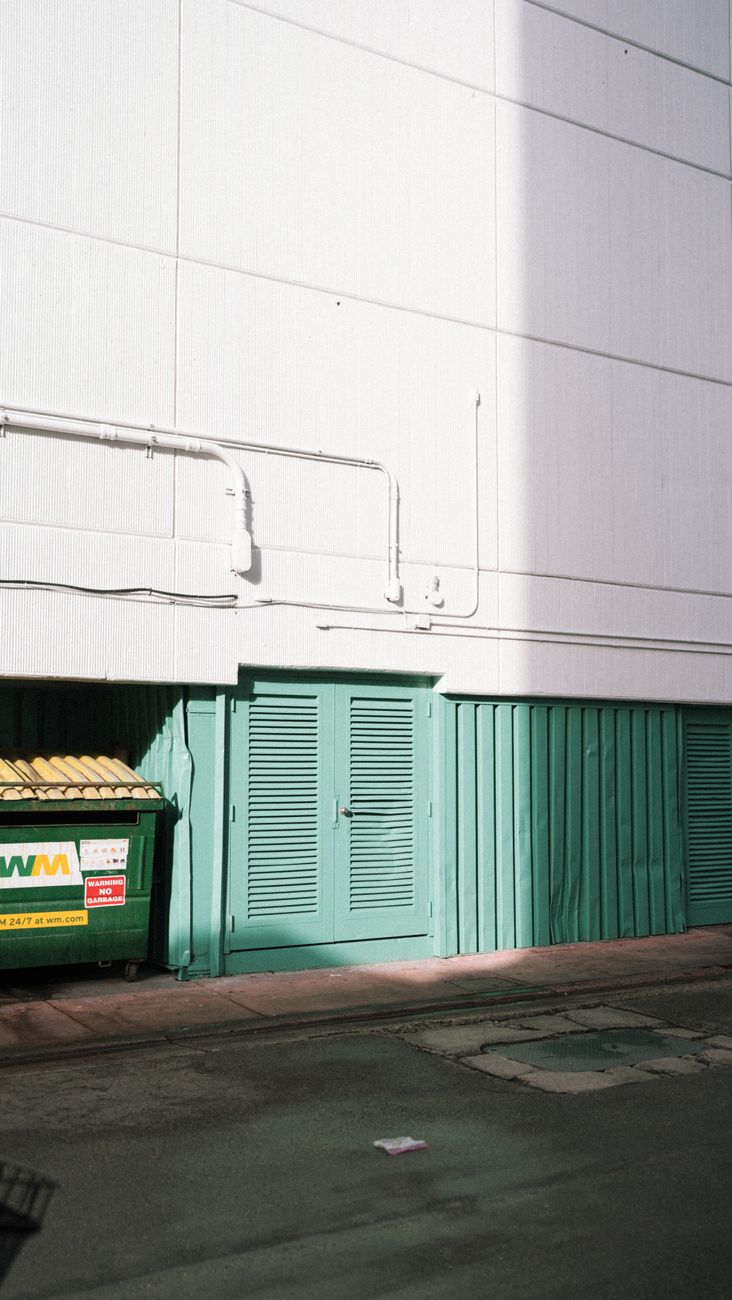
The first time I saw the dumpster arrive, it looked too big to belong to any one house on the block. It thundered down the street like a small gray whale, teeth of metal glinting in the afternoon sun, and came to rest in front of Maria’s bungalow in Silver Lake. Sawdust puffed from the open roof like confetti, and the whole block inhaled — neighbors paused, a dog barked, a kid on a skateboard rolled to a stop.
Setting the Scene: A Neighborhood Full of Stories
Maria had been renovating the upstairs apartment she rented to a young couple moving back from New York. She’d pulled up the original hardwood, tore out an old bathroom, and unearthed a tangle of old wiring and stories in the walls. The project smelled of fresh-cut pine, paint thinner, and the salty tang of Pacific air drifting in from miles away. Jamal, the contractor, parked his truck in the alley and ran a hand over his forehead. ‘We need a roll-off,’ he said, ‘and we need it yesterday.’
Across Greater Los Angeles, this little scene played out in variations. In Santa Monica a duplex owner was clearing out a garage full of surfboards and decades of sand; in Long Beach a landlord was gutting a bungalow to make room for new tenants; in Burbank a vintage-store owner had to get rid of a mountain of display fixtures after a change of plans. Whether the view opened to the Hollywood Hills or the Pacific, dumpsters mark a very specific kind of city moment: the before-and-after of living, building, and letting go.
Rising Action: Not Just Steel and Screws
When Leo from the container company climbed down from the truck, his boots hissing on the pavement, he didn’t just bring a metal box. He brought timing, permits, and the potential for neighborly friction. Cars had to be blocked, parking signs moved, an elderly man in the unit across from Maria’s complained about noise. ‘You can’t put that in front of my house all week,’ he said sharply, folding his newspaper like armor. Maria smiled and said, ‘We filed for the permit. It’ll be just a few days.’ The man’s eyes narrowed. Street life in Los Angeles is a negotiation between convenience and the rules the city asks us to follow.
In Culver City and West Hollywood, dumpsters on the street often require a city permit because they occupy public right-of-way. In Beverly Hills and Malibu, proximity to property lines, curb cuts, and scenic viewpoints adds another layer. Even within the City of Los Angeles, neighborhoods manage their streets differently: in some areas, a permit from the Department of Transportation is enough; in others, a special event or construction permit is required. Jamal thumbed through a sheaf of permits and maps, the diesel hum of the truck a low accompaniment.
Key Insights Woven Into the Story
As the crew started loading, conversation turned practical. ‘What can we put in here?’ asked Rosa, Maria’s neighbor, holding up a broken microwave like a trophy. Jamal squinted against the light and answered: ‘Non-hazardous demolition debris, wood, plastics, furniture, tile. But not paint cans, batteries, tires, or asbestos.’ He pointed toward the top of the pile: drywall dust came off like powdered sugar; nails clicked and sang as they met the metal ribbing. ‘Those things need special disposal,’ he said. ‘Los Angeles County has hazardous waste centers and scheduled pick-up options. Mattresses and tires often carry extra fees. Appliances sometimes need to be drained of fluids first.’ The exchange was practical, but it cracked open a larger lesson about the city’s relationship to waste.
Cost, Jamal went on, is a small encyclopedia. ‘Dumpster size matters. You can get a 10-, 20-, 30-, or 40-yard roll-off. Weight matters — a ton of concrete will cost more than a ton of cardboard. Location matters: if we have to haul it through a narrow Culver City alley or park across a sidewalk in Downtown L.A., permits and time increase the price. And the tipping fee at the transfer station is the kicker.’ Maria listened, hands on her hips, picturing her bank account as piles of rubble. ‘So get a few quotes,’ Jamal said with the easy certainty of someone who’d lifted more than his share of beams. ‘Ask about hidden fees. Know who’s hauling it and where it will end up.’
Practicalities in the Midst of Noise
While neighbors argued about placement and the dog circled the dumpsters with wary curiosity, I learned how schedules in the greater metropolitan area lean into rhythm: mornings are for deliveries, evenings for pickup, and weekends are prime time for those trying to avoid weekday traffic in places like Torrance and Pasadena. If a dumpster must sit on public property, many cities require reflective cones, signage, and permit placards. If it sits in a driveway, homeowners often protect their concrete with plywood and weight-distributing timbers. ‘Don’t overload it,’ Jamal warned. ‘If you build a pyramid in there, it gets harder to pick up and someone can get hurt.’ The warning wasn’t just procedural — it was about safety, too. Nails sticking out of a beam or a shard of glass could send a neighbor to the emergency room.
There is also the aesthetic and environmental dimension. In Santa Monica, where beach cleanups are practically religious observances, crews often separate recyclables and organics from construction debris. In Glendale and Pasadena, local ordinances push for diversion from landfills: metals, cardboard, and certain plastics are sorted out. ‘The greener you are, the easier it will be to get the permit and the better your bill might look,’ Leo observed. ‘Companies that recycle wood, metal, and cardboard can reduce tipping fees and sometimes even pay for scrap metals.’ The dumpster becomes a temporary collection point for the city’s refuse habits and regulations.
The Tension Peaks: A Permit, a Phone Call, and a Rainstorm
On the third day, as Maria’s team was hauling the last of the old plaster, dark clouds rolled over the Hollywood Hills in a rare summer storm. The crew raced to cover the pile; rain on drywall smells like wet paper and old glue. Just then, a city inspector’s truck eased by and stopped. He stepped out, clipboard in hand. ‘I can’t see your permit,’ he said, voice calm but precise. Maria’s chest tightened. Jamal fumbled in his pocket and produced the permit number, saved in his phone. The inspector scanned, nodded, and the tension eased as quickly as it had flared.
In Long Beach, a contractor once learned the hard way: no permit, heavy ticket, and two days of delay while a barricade was installed to comply with street regulations. In Inglewood, dumpsters blocking access to a bus stop triggered a complaint to the transit authority. In Glendale, a rooftop crew realized too late that their rented container exceeded the maximum height for permits without additional railings. The lesson threaded through every anecdote: in Greater Los Angeles, details matter.
Resolution: The Last Load, and the Quieting of the Block
By the time the dumpster truck returned, the street looked like a place that had been carefully unmade and remade. A neighbor who had complained earlier came out with a paper cup of coffee and said, ‘It looks good.’ Maria laughed, exhausted and triumphant. ‘Not as good as it will be, but we’re close.’ The driver swung the hook cable, the dumpster rose like a shuttered theater set and settled into the bed of the truck with a metallic sigh. The smell of sawdust slid away on a breeze, replaced by the faint perfume of jasmine from somewhere down the block.
Leo waved to the assembled group. ‘We’ll take it to the transfer station and make sure the materials that can be recycled are separated. That keeps the costs down and keeps the city cleaner.’ Jamal handed him a checklist: ‘Mattress? Gone separately. Paint cans? Held for hazardous waste pick-up.’ The truck pulled away, the rumble diminishing into the Los Angeles soundscape of sirens, distant freeway, and a skateboard’s soft wheels.
What to Remember When You Need a Dumpster
If you find yourself in Maria’s shoes — standing in sawdust with a pile that needs to leave — remember a few practical truths the city teaches through experience. Choose the right size to avoid two trips. Ask about weight limits and tipping fees so your budget doesn’t feel like a surprise demolition. Investigate whether your placement requires a permit and who is responsible for obtaining it. Know what can’t go into a roll-off: hazardous liquids, certain electronics, asbestos, and other regulated materials should be handled through proper channels. Communicate with neighbors; a small note on the door and a polite explanation can smooth more than a permit ever could. And finally, think green: separating recyclables reduces costs and keeps Los Angeles moving toward the cleaner future so many neighborhoods say they want.
The Last Image
As the sun slid lower toward the Pacific, the street in Silver Lake looked like a place that had survived a small storm. Paint chips glittered like flotsam, a plank leaned against a fence like a makeshift flag, and a breeze carried the last traces of sawdust into the hills. Maria stood on her porch with a neighbor’s dog at her feet and watched the truck snake down the avenue, its taillights glowing like small red comets. ‘It feels lighter,’ she said, and there was more than dust in her voice. The block, the city, and the project had all been nudged forward. In Los Angeles, dumpsters are rarely the end of a story; they are a punctuation mark between what was and what will be, a temporary thunder that clears space for new life to arrive.
When the truck finally disappeared into traffic, the neighborhood returned to its everyday noise — distant music, someone tuning a radio, the steady whisper of cars on the 101. The last image I carried was the empty gutter where the dumpster had stood, sunlight catching a single nail like a tiny star. In a city that moves fast, that glints and grinds and reinvents, a cleared space can feel like a small miracle. And when you need a dumpster in Greater Los Angeles, remember there is a little choreography to it: permits, placement, patience, and a company that knows how to close the lid without closing the story.