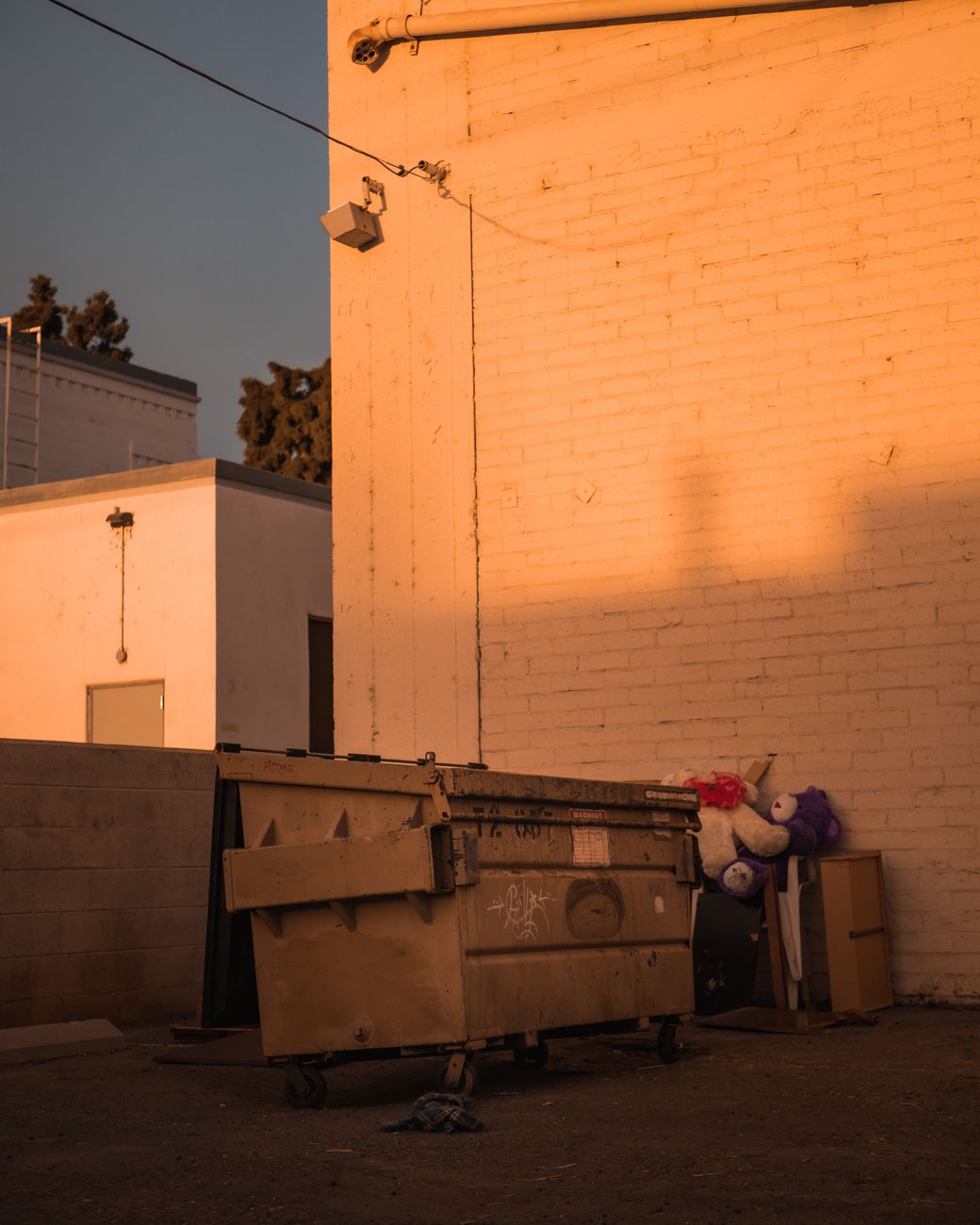
The diesel hum had become part of the neighborhood’s soundtrack: a low, persistent engine note that sliced through the gulls and morning traffic like a saw. Maria stood on her porch in Echo Park, hands deep in pockets, watching a bright blue roll-off dumpster settle onto her cracked driveway. It smelled faintly of sawdust and citrus—old paint and fresh wood—an odd perfume that meant both mess and progress. ‘I never thought renting a dumpster would feel like calling in reinforcements,’ she said, half to herself, half to the young driver who offered a lopsided smile and a clipboard stamped with a permit sticker.
Setting the Scene: Why a Dumpster in Los Angeles Feels Like a Small Production
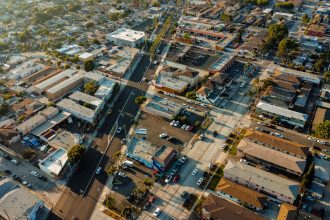
Los Angeles is a city of second acts: a bungalow in Silver Lake gets a kitchen rebirth; a storefront in Downtown LA transforms into a pop-up; a beach bungalow in Venice sheds a century of salt-stained drywall. And when something changes here, debris follows. Across neighborhoods from Beverly Hills to Long Beach, from Glendale to Torrance, dumpster delivery looks less like a utility call and more like a neighborhood event. Cones appear, neighbors come out, and someone inevitably asks whether a permit was required.
Maria’s project started simply: replace rotted kitchen cabinets and gut a patch of backyard that had become a tangle of overgrown succulents and crumbling pavers. Soon it spiraled into a full-day demolition and a pile of junk that left her garage inaccessible. She called a local roll-off company based in Inglewood, and what arrived looked more industrial than she imagined—20 feet of metal with a warn sticker proclaiming ’20-yard’. The driver, a sunburned man named Hector, placed a neon parking permit on the windshield and spoke in short, efficient sentences.
‘We got your LADOT permit,’ he said. ‘We can keep it on the driveway or the street. Street’s an extra because we need to block a space.’ Maria nodded. ‘Just put it where you need.’ She realized she was learning Los Angeles one permit at a time.
Rising Action: Complications, Rules, and the Scent of Tension
The first complication arrived a day later. A neighbor from a duplex in Silver Lake complained that the dumpster blocked her morning trash pickup. Another complication came in the evening when Maria discovered that asbestos-laden patch behind the old stove had to be handled differently. The sizzle of tension was small but steady: calls to the contractor, a mumbled quote from an abatement specialist, and an email from the homeowner association in Culver City demanding proof of disposal for certain materials.
‘You’re telling me I can’t just toss the old countertop in there?’ she asked, incredulous. The contractor looked at the wavy laminate and then at her with the patient air of someone who’d navigated Los Angeles disposal regulations enough times to have gray in his beard.
‘Countertops with certain adhesives, old paint cans, electronics — those are limited. You can’t put hazardous waste in a municipal dumpster. We need to separate, recycle what we can, and take the rest to the transfer station. Also, if you overfill the dumpster, they’ll charge per ton.’
Conversation shifted to a practical map of Greater Los Angeles: Sunshine Canyon Landfill handling municipal solid waste for LA City; Long Beach’s material recovery facilities accepting mixed construction debris; small recyclers in Burbank taking scrap metal; donation centers in Pasadena and Santa Monica that would accept gently used cabinets and fixtures. Each city had its own flavor—Santa Monica was fastidious about curb permits, Beverly Hills demanded aesthetic care, and Inglewood offered flexible roll-off scheduling. The list was long, and the day grew longer as Maria began pulling apart what could be reused.
Key Insights Woven Through the Story
As Maria paced the yard, the narrative opened into practical lessons. She and Hector started to make a plan that felt equal parts logistics and stewardship. He explained, as he walked around the dumpster and tapped its metal side, the common sizes and their uses: 10-yard dumpsters for small cleanouts, 20-yard boxes for medium remodels, 30- to 40-yard behemoths for whole-house demolition. He drew invisible lines in the air illustrating how much drywall and old tile each could swallow.
‘Most homeowners start with a 20-yard for a kitchen and some backyard debris,’ Hector said. ‘If you’re doing full demo in a house in Koreatown or a renovation in West Hollywood, you might need a 30 or 40. But remember, the bigger the box, the more you pay in delivery, pickup, and tonnage if you hit the limit.’
They talked about permits. In Los Angeles, placing a dumpster in the street almost always requires a permit from LADOT or the local city’s transportation department. In places like Santa Monica and Beverly Hills, the rules were stricter; you might also need to purchase temporary no-parking signs for placement. Driveway placement reduces permit headaches but is not always possible—narrow alleys in Echo Park or historical districts like Pasadena’s Craftsman stretches can complicate placement.
Hector emphasized weight limits. Concrete, brick, and tile are deceptively heavy. A relatively small pile of tile can push a 20-yard dumpster over its weight allowance and trigger heavy overage fees. ‘Stack smart,’ he advised, showing Maria how to break big chunks into smaller pieces and place denser items near the bottom to prevent top-heavy piles that spill over during transport.
Reusing and recycling became a motif of the afternoon. Maria learned that donation centers—Habitat for Humanity ReStore in Long Beach, the Salvation Army in Glendale—would take appliances and fixtures if they were functional. Metal scrap yards in the Valley would pay for stainless steel sinks or copper piping. Electronics and batteries demanded special trips to hazardous waste drop-off events arranged by Los Angeles County. ‘It’s about reducing what hits the landfill,’ Hector said, ‘and lessening that guilty feeling when you send a truckload to the dump.’ His voice had a gravity that made environmental stewardship feel practical rather than preachy.
Practical Advice Hidden in Conversation
The dialogue folded into a checklist: call early and secure a reservation; ask about tonnage and what qualifies as hazardous; request proof of landfill or transfer station disposal; confirm insurance and licensing; check whether the company offers recycling or separation services; and find out who handles permits. Maria took notes on a napkin as the sun moved west toward Downtown LA, painting the skyline gold.
‘Also,’ Hector said, tapping the napkin, ‘watch for hidden fees. Some companies charge for overtime, late pickup, or if the site is harder to access than promised. Get everything in writing.’ He taught her a handful of tricks: break materials into uniform sections to use space efficiently; never, ever overfill because the driver can’t secure the load; and consider trucks with tarps or tie-downs when hauling materials across multiple city limits to avoid fines for debris on the freeway.
They discussed timelines. Bookings in high-demand times—weekends and the months when homeowners in Beverly Hills decide to renovate—fill up fast. Same-day rentals exist but often cost more. When in doubt, plan a week in advance; for larger jobs, two weeks gives room for permit processing.
Resolution: How a Neighborhood Learned to Move Debris and Respect Each Other
Within a week, the dumpster that had arrived to a chorus of curious stares was half full. A neighbor from Echo Park left a bag of good condition cabinet handles by Maria’s gate. A woman from Venice dropped off a stack of reclaimed lumber. The contractor arranged a licensed abatement crew to remove the asbestos patch from behind the old stove and produced manifests showing where it would be taken. Maria made three trips to donation centers, and on the morning a second roll-off came for a final pickup, the street looked oddly tidy, a small miracle in the daily churn of Los Angeles construction.
‘You handled it like a pro,’ her neighbor from across the street said, sipping coffee on a folding chair. Maria laughed, thinking of the napkin that had become an impromptu permit and checklist. The driver, when he came to collect the dumpster, pointed to the permit sticker and the manifest folded under his clipboard. ‘Clean job, good paperwork,’ he said, and left a small envelope of receipts and contact numbers for future reference.
Takeaway: What to Remember Before You Call for Dumpster Removal
If Maria’s story taught anything, it’s that a dumpster rental is a small logistical theater playing out against the sprawling backdrop of Los Angeles. You need a plan, a permit if you want the dumpster on the street, and a clear idea of what you’re disposing of. Break down large, heavy items; separate hazardous materials; donate what you can; and hire a provider who can show where your waste will end up. Check insurance and licensing, ask about tonnage, and verify all fees in writing. Finally, be mindful of neighbors—clear communication and the right permits keep tension low and progress steady.
On the last day, as the truck lifted the dumpster and the neighborhood’s diesel hum retreated, Maria stood with a cup of coffee and watched the sunset wash the hills of Hollywood and the high-rises of Downtown in a soft amber. A seagull wheeled over the roofline toward the ocean, and the driveway looked suddenly like an empty stage. She felt a familiar thrill: the house had space to breathe, the city kept turning, and somewhere in Long Beach a donation center would be unpacking fixtures that would find new life. In Los Angeles, even the things you throw away can start over.
The final image stayed with her—an empty driveway, a neat permit fluttering on the clipboard, and a skyline stitched by cranes and palm trees—proof that in a city of constant reinvention, responsible removal can feel like part of the work of remaking.