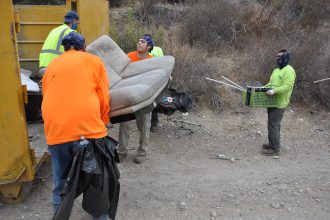
The first time I saw the dumpster, it looked like an island dropped into the middle of Sunset Boulevard: a blue roll-off the size of a small garage, humming with the city’s noise—buses sighing, a skateboard chatters past, a dog barks three houses down. Maria stood on her front steps in Echo Park with her hands on her hips, the sunlight catching the dust on a heap of plaster and orange-tinged plywood. “We printed the permit,” she said, holding up a crumpled slip of paper like a talisman. “Now watch it disappear.”
Setup: The Mess, the Moment, and the Map of LA
Across Greater Los Angeles—Santa Monica’s boardwalk glinting with the Pacific, the industrial hum of Long Beach, the tree-lined streets of Pasadena—there are little islands of upheaval: kitchen remodels, landlord clear-outs in Koreatown, yard renovations in Burbank, and the slow demolition of garages in Inglewood. Each project needs one thing in common: a place to put the cast-off past until it vanishes. That’s where dumpster removal comes in, and in L.A., dumpster day is as much about logistics and permits as it is about timing and temperament.
Maria’s project was typical: a Victorian turned modern, its attic gutted and full of old insulation and ceramic tiles. She had glanced at Pinterest, negotiated with a contractor, and then stared down the problem everyone avoids—where to put the debris. Not everyone has a driveway large enough to hold a 20-yard container. Not every street allows a metal box on the curb without a permit. And the air here is different—salt from the coast, dust kicked up from the 405—so a dusty job smells like gasoline and citrus in one breath.
Rising Action: Permits, Placement, and a Driver Named Rufus
“You’ll need a street permit if it sits on public property,” the woman at the city counter in downtown Los Angeles told Maria, sketching a rough map with a blue pen. “Sunset gets busy. We don’t want a box blocking traffic or trampling the tree wells.”
That was the first bump. The second came when the delivery driver, Rufus, called to say the truck couldn’t make it down their street at noon because of a filming permit on the block near Silver Lake. Los Angeles negotiates space with a thousand small authorities—film crews, catering trucks, farmers delivering to markets—so timing matters.
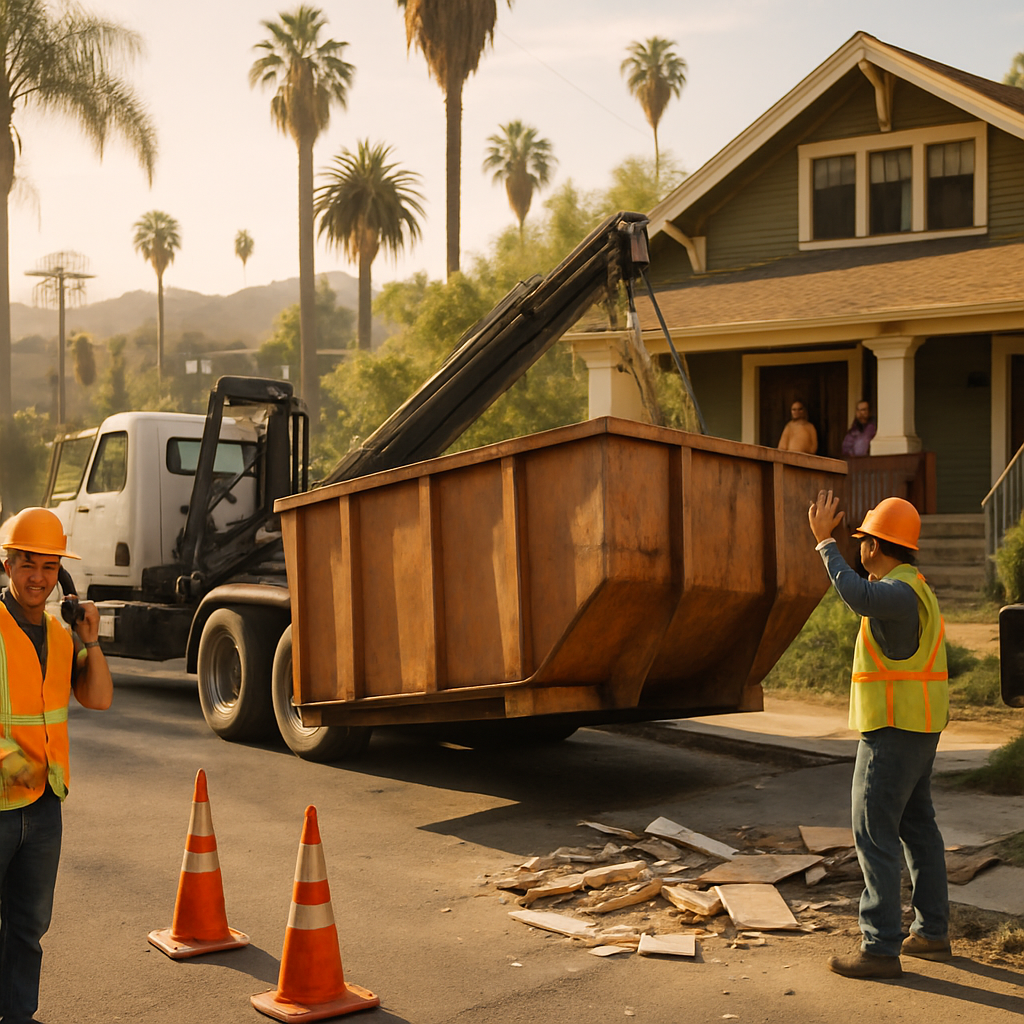
Rufus arrived late afternoon. The truck rolled in with a soft mechanical groan, its hydraulic arms like a pair of patient forearms. He parked at a slant, set out orange cones, and asked, “Where’s comfortable for you?” He had placements learned from years between West Hollywood and Torrance: keep it away from roots, off the curb to avoid ticketing, and set it on solid, level ground. The smell of hot rubber and oil, the scrape of metal on asphalt, the thud of the container hitting the driveway—these are the sounds of demolition beginning to be contained.
Key Insights Woven Into the Story
As the neighbors watched—someone folding laundry on the balcony in Glendale, a bike messenger pausing to ask about the size—Maria and Rufus worked through the decisions every Angeleno faces when scheduling a dumpster:
- Size matters. A 10-yard is suited for small clean-outs and minor landscaping, a 20-yard is the go-to for most home renovations, while 30- and 40-yard containers are used for large demolition jobs or whole-house clean-outs. Rufus measured and suggested a 20-yard: “It’s big, but not so big you’ll fill it with air.”
- Weight limits and overage fees. Concrete, dirt, and mixed rubble weigh a lot. If you’re pulling up a patio in Pasadena or taking down a garage in Burbank, separate concrete into its own hauler or rent a specialized bin to avoid surprise fees.
- Permits and parking. Each city—Los Angeles, Santa Monica, Long Beach, Culver City—has different rules for placing a container on the street. Maria’s permit from LADBS explained allowable times and required signage. For curb deliveries in Santa Monica, the city often requires additional insurance from haulers during high tourist seasons.
- Prohibited items. Paint, batteries, solvents, electronics, and tires usually can’t go into a standard dumpster. For hazardous items, Los Angeles County holds HHW (household hazardous waste) events and has permanent drop-off locations. Restacking old paint cans in West Hollywood? Think separate disposal.
- Recycling and diversion. LA’s push to divert waste means concrete, green waste, and certain metals may be recycled. Rufus pointed to a pile of copper piping and smiled: “This gets a second life.”
These tips were not handed out in a pamphlet; they were narrated as Rufus positioned the container and Maria tossed down a strip of old molding, watching it disappear into the dark metal mouth.
Scene: The Neighborhood Reacts
By evening, people passing on Sunset slowed. A couple from Silver Lake asked about how long the container would stay; an elderly man from down the block waved and told a story about when the city fined him for placing a bin too close to a fire hydrant. “You always think it’s cheaper to skip the permit,” he said, “until the fine makes you pay for the whole job twice.”
That exchange was part joke and part rite of passage. In LA, every renovation intersects with neighbors’ histories. You learn who lost power when a truck took a lane, who once had a delivery truck scrape their curb, who will happily hold a parking spot when the contractor lifts the dumpster. Maria made coffee for the crew; Rufus accepted it like a benediction.
Practical Steps Mixed With Small Scenes
Between the sips of coffee and the clanging of metal, we walked through the calendar of the project. Generally, most homeowners keep a dumpster for seven to fourteen days; extensions are easy to arrange but cost extra. Schedule pick-up midweek to avoid weekend delays, and ask about the company’s tipping and dump locations. In Los Angeles, trucks usually head to transfer stations like Sunshine Canyon or to certified recycling yards in Long Beach depending on the load.
When it comes to costs, expect a range. Residential roll-off rentals in Greater LA often fall between a few hundred to over a thousand dollars depending on size, duration, and weight. “Ask for a transparent quote,” Rufus advised. “Is fuel included? What if you go over weight? Where do you take old asphalt?”
Maria wrote notes on a legal pad: size 20, permit posted on the mailbox, call to extend on day 10 if needed, save all receipts. She learned to photograph the driveway before delivery, and to call the hauler if the driver seemed unsure about placement. Small precautions kept stress from piling up with the drywall.
Climax: A Rain Delay, a Decision, and the Final Load
Three days before the scheduled pick-up, a brief spring shower rolled in from the ocean, leaving the street glistening and the dust clumping into a sandy paste. Maria fretted about mold and the damp weight. A concerned neighbor from Venice offered to store a few boxes in her garage. The crew covered the wood with tarps and shifted the heavier items to the center.
“You can’t just toss paint,” Rufus reminded while pulling a drip-streaked can from a pile. “We’ll set that aside for the HHW drop.” The crew moved with practiced choreography: sweep, lift, toss, stack. The load dwindled and then, mercifully, grew small again as the final pieces went in. By the time the truck returned, the container hummed like a closed vault, ready for the highway out of town.
Resolution: The Pickup and the Quiet After
The lift of the dumpster from the driveway is always a theatrical moment. The truck parked, chains clinked, hydraulics arced, and the metal box was hoisted like a stage prop being lifted off. A few neighbors clapped; it was less about the trash than about the yard that would now be reclaimed—an invitation, perhaps, for a small garden or a bench with a view of the hills.
Rufus shook Maria’s hand. “Keep those permits handy,” he said. “This city likes paperwork.” She laughed, imagining the next project already. For the first time since the attic came down, she could breathe without tasting sawdust.
Takeaway: What to Remember and Do
If you’re planning a cleanup in Greater Los Angeles—from Hollywood to Torrance, Pasadena to Long Beach—treat dumpster removal like any local rite: plan early, choose the right size, check permits, separate hazardous items, and ask how the company handles weight and recycling. Photograph your property before delivery, keep neighbors in the loop, and pick a midweek pickup to avoid delays. Think about where debris will go—transfer stations and recycling yards in LA County have different rules—so call ahead and avoid surprises.
And remember the human part: the driver who knows how to place a box without crushing a curb, the neighbor who watches your project like a soap opera and offers water, the clerk who smiles over a permit stamp. In a city made of neighborhoods stitched together by freeways and palm-lined streets, dumpster day becomes part of the larger story of change.
Maria’s porch was finally clear. She swept, set a small pot on the step, and sat down to watch the sunset settle over the Griffith hills. The house felt like it had been given a second chance. The dumpster, now a memory, had carried more than debris; it had carried away the unnecessary weight of the past, leaving space for a future that smelled faintly of citrus and fresh paint.