The rumble of the roll-off truck woke Maria before sunrise. She stood on her porch in Echo Park, coffee in hand, watching the driver swing the chute into place as the first pale light painted the palm silhouettes against the Downtown skyline. “You’d be surprised how fast a house can look like another lifetime,” the driver said, smiling as he unhooked the straps. It wasn’t just her house he meant—he’d seen kitchens in Beverly Hills stripped down to studs and Venice beach shacks cleared of storm debris, but today it was Maria’s garage, a cluttered museum of college boxes, broken furniture, and two bikes missing their wheels.
Setting the Scene: Greater Los Angeles, a Landscape of Change
Greater Los Angeles is a place of constant reinvention. From the stucco bungalows of Pasadena to the modern condos in Downtown LA, from the film sets of Burbank to the surf-shacked cottages of Hermosa Beach, renovations, cleanouts, and construction are as common as traffic on the 405. The air carries different scents between neighborhoods—the salty fog of Santa Monica in the morning, the dusty citrus of the inland canyons in Pomona, the faint tang of grease from Koreatown late-night BBQs—and the needs for dumpster removal vary as much as the neighborhoods themselves.
The Players: Homeowners, Contractors, and a Call for Order
Maria hired Luis, a contractor from Culver City, to convert her cluttered two-car garage into a small art studio. “You need a dumpster—something I can load and not make a thousand trips to the transfer station,” he told her. For homeowners like Maria, contractors like Luis, and drivers like the man on her curb, dumpster removal is more than hauling junk; it’s an orchestration of permits, space, timing, and environmental responsibility.
“We have a client in Long Beach doing a kitchen demo this week,” Luis continued, wiping his hands on his shirt. “Different city, different rules—sometimes you can put it on the street with a permit; sometimes you have to keep it on private property. In Santa Monica, they’ve been strict about recycling and keeping hazardous materials out. In Inglewood we’ve had to schedule around football game days because of parking restrictions.”
Rising Action: The Tension of Timelines and Rules
As the truck lurched and settled, Maria remembered the conversation with her HOA: narrow driveway, cranky neighbors, and the red curb right in front of her house. She’d nearly canceled the plan when her neighbor Mrs. Alvarez knocked on her door. “You know the city will tow it if you block the street without a permit,” she warned. Maria felt her stomach clench—permit? tow? The peaceful morning suddenly came with a stack of municipal forms.
She called the dumpster company. “Can you handle permits?” she asked. On the other end came the calm reply: “Yes, we can pull a street-use permit from LADOT, and we’ll advise if any city-specific rules apply—Beverly Hills and Santa Monica can require extra documentation, and for Hollywood you’ll need to make sure the permit window aligns with filming schedules.” The relief was immediate; professional experience often smooths the rough edges of Los Angeles bureaucracy.
Key Insights: Choosing the Right Dumpster and Following the Rules
Choosing the right dumpster starts with asking a few simple questions: What type of debris will you generate? How long will you need the container? Where will it be placed—on your driveway or the street? In LA, dumpster sizes typically range from 10 to 40 cubic yards. A 10-yard bin fits household cleanouts and small renovations; 20 to 30-yard bins handle major home remodels; 40-yard containers are for larger commercial jobs or full-scale construction. Luis recommended a 20-yard for Maria—big enough for bulky items but narrow enough for her driveway.
“Don’t forget about weight,” the driver said while clipping the chain. “Most rentals include a weight allowance. Overload it, and you’ll hit per-ton fees. And never—ever—put hazardous materials in the dumpster.” Hazardous items like paints, solvents, asbestos, batteries, and certain electronics are regulated. Cities across Los Angeles County encourage proper disposal through household hazardous waste programs or scheduled pickups. Santa Monica, for example, has strict recycling targets and clear guidelines on what can be tossed in a roll-off.
Another detail: permits. If a bin sits on public property—curbside or street—you’ll usually need a short-term street-use or parking permit from the city or LADOT. Municipalities like Glendale, Pasadena, and Torrance have specific permit windows and may require traffic control measures for wider bins. If the dumpster sits on private property, permits may not be necessary, but you still have to consider neighbors and HOA rules.
Scene: Loading, Sights, and Sounds
The sun climbed higher as strangers became collaborators. Maria’s teenage son, Mateo, complained theatrically—”Do I have to throw away my high school trophies?”—but he handed a trophy over with a resigned grin. The driver hummed to a classic rock station as he demonstrated the safest loading pattern: heavy items low and toward the center, wood and drywall separated from metal when possible. Martinez, Maria’s neighbor from Silver Lake, leaned over the fence. “I used a local company from Burbank last month. They donated a lot of recyclable metal and appliances to a nonprofit,” he said. The sound of debris—plaster crumbling into dust, the clack of wooden frames, the metallic ping of a broken lamp—became the percussion to the morning’s labor.
Environmental Responsibility Woven into the Story
Roll-off companies in LA increasingly advertise their recycling rates and partnerships with salvage yards. “We try to divert as much as possible from landfills,” the driver explained. In Long Beach, community cleanup initiatives often depend on reliable dumpster providers who can separate green waste, concrete, and metals for recycling. Electronics and appliance disposal follow stricter rules: many items must be taken to certified e-waste processors or scheduled for a special pickup. Donating usable items to Goodwill, Habitat for Humanity ReStore, or local shelters in Compton, North Hollywood, or Anaheim keeps usable goods in circulation and out of landfills.
Cost is another variable in the environmental equation. Dumpsters rented for longer periods or overloaded with heavy material often lead to higher fees—something homeowners and contractors weigh against the environmental benefit of proper disposal. When Maria asked for a price estimate, she received a clear breakdown: a base rental fee, an included weight allowance, permit facilitation, and potential per-ton charges. Upfront transparency reduced the chances of surprises when the bill arrived.
Rising to the Climax: The Unexpected Turn
Around midday, a delivery truck took the alley too wide, clipping a stack of paving stones near Maria’s property. The stones toppled into the dumpster, crushing a stack of boxes and revealing a hidden trunk beneath. As they pried it open, the team found a stack of old photographs and a faded script—Maria’s grandfather had once worked on sets in Burbank. The discovery made loading pause; neighbors gathered to flip through brittle pages of memories. The dumpster was no longer just a vessel for debris—it had become a time capsule of a Los Angeles family story.
“This is exactly why you tape and label boxes,” Maria laughed, dusting off a coffee-stained photograph of a film set in black and white. The driver nodded. “We haul away more than trash sometimes. But we’re careful—our crews look for anything salvageable or hazardous before it’s compacted or taken to the transfer station.”
Resolution: Clearing Space, Creating Possibilities
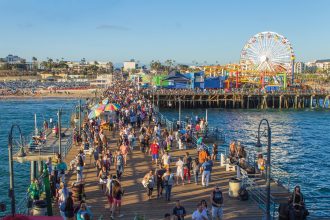
By late afternoon, the garage revealed its bones: clean concrete floor, fresh light, and the faint scent of oil and citrus after a quick sweep. The dumpster, half-full and humming with the sounds of the city around it—sirens in Koreatown, a dog barking in Burbank, the far-off clamor of a Santa Monica pier—was tied down, ready for pickup. The driver slotted the paperwork into Maria’s hands: permit closed, recycling items noted, a receipt for donation pick-ups. “We’ll take it to our sorting facility in Sun Valley,” he said. “Metals, clean wood, and concrete get separated. Anything hazardous we redirect. We try to keep LA cleaner in the process.”
Mateo tossed the last broken stool into the bin and sighed. “It actually looks… bigger in here,” he said, then grinned. “And less like the place I tripped over every day.” Maria walked through the empty space and imagined the easel she would set up, the morning light that would now fall on blank canvas instead of boxes. The city around her continued to morph—someone in Hollywood was painting a set, in Long Beach a contractor finished a marina repair—but inside her garage, a small, personal transformation had taken place.
Takeaway: Practical Wisdom from a Day of Removal
What should a homeowner in Greater Los Angeles remember when they need dumpster removal? First, match container size and rental duration to the job—your contractor can help. Second, understand local rules: permits are common when placing bins on public streets; cities like Santa Monica and Beverly Hills have stricter recycling and disposal rules. Third, avoid hazardous materials in roll-offs; use city hazardous waste programs or certified haulers for those items. Fourth, ask about recycling rates, donation options, and transparent pricing to avoid hidden fees. And finally, plan logistics: measure space, notify neighbors or your HOA, and schedule pickup around local events—like Rams game days in Inglewood or filming blocks in Burbank—to prevent delays.
Back on her porch as the truck retreated down the block, Maria felt a lightness that had nothing to do with weight limits or permit stamps. The city behind her—its beaches, hills, and freeways—continued its noisy, beautiful churn. Somewhere between Compton and Beverly Hills, dumpsters rolled through alleys and across curbsides every day, quietly making room for the next chapter of home and city life. She set down her coffee and touched the photograph she had rescued, tucking it into a drawer where the morning light would find it. The dumpster had taken more than trash; it had cleared space for memory, craft, and a future painting that finally had room to breathe.
Final Image
As the sunset painted the Hollywood Hills in orange and purple hues, the silhouette of the roll-off truck faded into traffic. The garage door closed on a clean square of light, and the palm trees beyond swayed against the skyline—an ordinary Los Angeles evening, made quieter by a work day neatly completed and a home made anew.