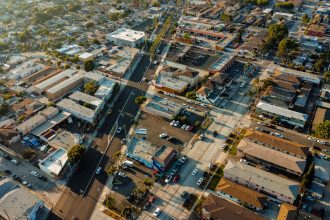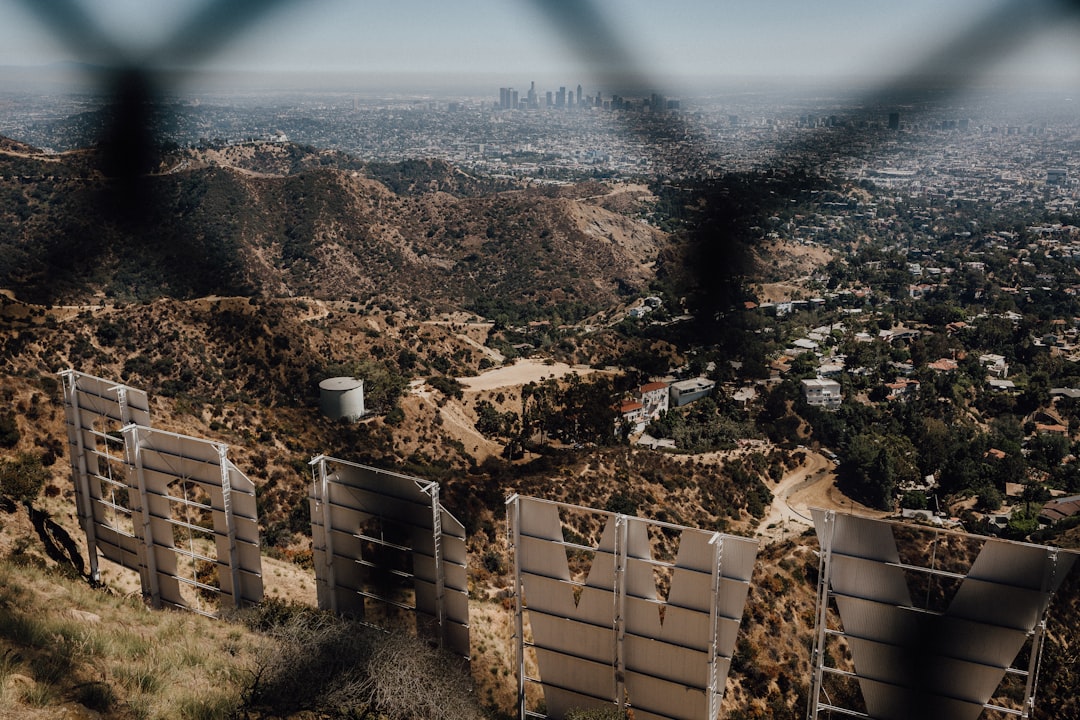
The sun was a pale coin over the Santa Monica Mountains when the first truck rumbled onto the street. Heat shimmered off the asphalt, the faint smell of tacos from a corner cart mixed with the diesel breath of the roll-off, and a chorus of palm fronds whispered against the skyline. I stood on the curb of a mid-century bungalow in Echo Park, coffee cooling in my hand, watching two men in reflective vests wrestle a metal rectangle into place as if tucking in a sleeping animal. “Careful with that corner—it’s a cedar beam,” Marisol called, her voice equal parts command and plea. It was the beginning of a cleanout that would stretch from Hollywood to Torrance, and I had come to see how something as mundane as dumpster removal could become a small, messy story about people, rules, and the city’s unglamorous infrastructure.
Setup: Meeting the Crew and the Neighborhood
Marisol had bought the house two years earlier, a fixer-upper with original tile and a stubborn roof leak. “I’ve got more plans than money,” she laughed, but the house had personality—arched windows, a yard that smelled of citrus in March, and a living room full of decades-old furniture destined for a new life. She hired Carlos, a contractor with a laugh like gravel and a van full of tools, who recommended a 20-yard roll-off for the demo and a 10-yard for the yard waste. We texted a local service in Burbank; within hours, the driver from a company out of Long Beach had synced his GPS with ours and backed a flat-faced dumpster into place on the driveway like an obedient dog.
Neighbors appeared—an elderly man from across the street, a young couple with a baby in a stroller—drawn by the clank and the minor upheaval. “Do they need permits for that thing?” the old man asked, peering over his fence. In West Hollywood, Culver City, and Los Angeles proper, placing a dumpster on a public street often requires a street-use permit or curb-cut permission. We were lucky: the driveway spared us that bureaucracy. But the question hung in the air like the dust the next day, because dumpster placement in Greater Los Angeles can be a mosaic of rules depending on which city limits you occupy.
Rising Action: Logistics, Tensions, and a Surprise Inspector
By noon, the house smelled of sawdust and paint thinner. Carlos and his crew—Rafael and June—moved with serrated efficiency. “Feed it in, don’t toss,” Rafael said, lifting a door like a makeshift shield. “You’ll lose space if you throw things in sideways.” They stacked drywall flat, folded up carpet, and left a corner of the dumpster for salvageable wood and old light fixtures. The rhythm of their work had a hypnotic quality: the metallic thud of a discarded sink, the soft slap of cardboard, the distant howl of a freeway siren.
Then a minivan pulled up with a Pasadena city badge in the window. An inspector stood on the curb, clipboard in hand, eyes scanning the placement. “You know when a container sits on public property we need a permit, and the cone layout has to be visible after dusk,” she said, polite but immovable. Marisol’s brow furrowed. We were still inside the property line, she explained, but the crew had temporarily leaned the dumpster’s ramp into the walkway. “We’ll move it back ten feet and put out cones. Sorry—we didn’t mean to cause trouble.” This small misstep turned into a dance of compliance: a quick call to the company, a repositioning, and a promise to apply for the permit the following day. The city officer nodded, making his notes, a reminder that in Los Angeles County, where Santa Monica’s beachfront rules differ from Torrance’s industrial ordinances, logistics is as much about paperwork as it is about muscle.
But more tension was brewing. A neighbor from Echo Park—who had once lost a beloved avocado tree to a foundation trench—peered over the fence with suspicion. “You can’t just bring in a monster and block the walkway,” she scolded, but then softer, “Are you throwing away the dining set? My brother could use that.” The crew paused, and a small ethical dilemma revealed itself: what to throw away, what to save, and what to give away. In Los Angeles, with its thrumming thrift economy and charitable networks from Long Beach to Malibu, a cleanup often becomes an opportunity to redistribute goods instead of burying them in a landfill.
Key Insights: What Dumpster Removal Really Involves
Underneath the story—behind the clangs and the human bustle—are practical rules and choices that shape every removal. Roll-off dumpsters typically come in sizes from 10 to 40 cubic yards. A 10-yard is ideal for small remodels or yard waste; 20-yard dumpsters are the workhorse for kitchen renovations or medium-sized cleanouts; 30 and 40 yards are for large construction or full-home gut jobs. Weight limits matter: most companies include a standard tonnage, and excess weight—think packed soil, concrete, or tile—may result in additional tipping fees at transfer stations around the region.
Not everything can go into a dumpster. Hazardous materials (like paint with solvents, certain batteries, asbestos, and pressurized cylinders) must be handled by specialized services or taken to household hazardous waste events hosted by Los Angeles County and cities like Pasadena and Glendale. Electronics often fall under e-waste laws, requiring separate disposal or recycling. Many dumpster services offer segregated bins or will advise on the best practices for shredding, recycling, or donating salvageable items. “We try to keep anything reusable out of the hopper,” Carlos told me, sorting an old but serviceable dresser into a corner that would later go to a nonprofit in Inglewood.
Permits: If the dumpster sits on public property—curbs, alleys, or the street—you usually need permission. The Los Angeles Department of Public Works issues street-use permits for containers in LA city, while other municipalities like Santa Monica, Long Beach, and Glendale have their own permit processes and requirements for cones, reflective signage, and insurance. A reputable removal company will advise you on permit needs and often file for the permit on your behalf. Timing: many companies offer same-day or next-day delivery, but peak seasons—spring cleaning, post-storm clearouts, and early summer remodels—fill up fast. Cost factors include size, rental duration, weight, and whether the load contains prohibited or heavy materials.
Resolution: Compromise, Community, and a Lasting Spark
By mid-afternoon the dumpster was full to a ragged lip. We had filled it with sheetrock and beams, an old bathtub that seemed to mourn its own disposal, boxes of faded magazines, and shards of tile that glittered like broken stars. But there was also an armful of things rescued: a vintage lamp destined for a thrift store in Burbank, potted plants given to neighbors, and a set of kitchen cabinets boxed up for donation. The crew called the local nonprofit in Inglewood and scheduled a pick-up for the gently used items the next morning. The inspector, seeing the repositioned container and cones, nodded his approval and left a stamped note on the permit app for the records. “We’re good to go,” he said before slipping back into his city-issued sedan.
When the final load went in, Carlos took a moment and wiped his hands on a rag, looking at the house as if it were his own. “There’s a difference between taking things away and making space for something new,” he said. Rafael grinned, lifting the ramp. The truck’s engine shivered to life; someone sprayed water over the bed to keep dust down, the droplets catching the late sun. As the truck turned toward the freeway, Van Nuys and Burbank’s rooftops framing the distance, there was something quietly ceremonial about the departure: progress, respect, and a patchwork of civic procedures all stitched together by the low, recurring hum of commerce.
Takeaway: What to Remember and Do
Dumpster removal in the Greater Los Angeles Area is more than dumping and driving. It’s a choreography of city rules, environmental responsibility, and human preference. If you find yourself planning a cleanout or renovation, remember these practical steps: choose the right size based on the project’s scope; ask about included tonnage and tipping fees; check local permit needs if the dumpster will be placed on public property; separate hazardous waste and e-waste for proper disposal; consider donating usable items to local charities in Long Beach, Inglewood, or Santa Monica; and request same-day pickup if your timeline is tight. Safety matters: level placement, visibility cones, and clear access for the truck ensure no one gets hurt and the job proceeds smoothly.
There is also a softer lesson. Watching objects pass through the dumpster—dishes that once held family dinners, a child’s broken guitar, a lamp that had lit late-night study sessions—reminded me that decluttering is an act of storytelling. Every item carries a history, and how we choose to dispose of or redistribute it reflects our values. In Los Angeles, where neighborhoods shift and histories overlap, a removal can be a practical cleanup and a small act of stewardship. That vintage lamp will find a new home; the cedar beam might become a shelf in a nearby cafe in Silver Lake. Even the dust settles into new patterns.
As dusk fell behind the hills, the city changed colors: neon signs ignited in Hollywood, surfers laughed somewhere near Venice, and the Pacific held a sliver of peach on its horizon. The emptied driveway seemed quieter but also expectant, like a room after the guests have left and someone finally opens the curtains. I sipped my now-cold coffee and watched the dumpster’s silhouette shrink in the rearview mirror as the truck merged onto the 101, leaving a soft trail of diesel and the faint echo of a job completed. Marisol unlocked her front door and stepped inside, her home a blank canvass again. “Now we start,” she said, more to herself than to anyone, and the word carried the whole city in it—the promise of new work, new neighbors, new mornings. The dumpster had gone, but the space it had cleared felt full of possibilities: sunlight, sawdust, and the long, clean breath of a house ready to be remade.