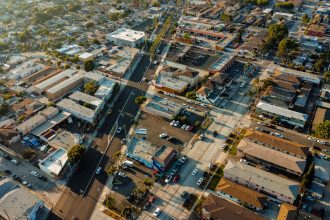
The first time I saw a bright blue roll-off dumpster settle onto a cracked Sunset Boulevard driveway, it felt like a visiting spaceship—practical, noisy, and strangely full of possibility. The sun was just pushing through morning haze, and the smell of hot asphalt mixed with the faint, clean tang of defrosting plywood. A group of neighbors gathered on the sidewalk—some curious, some wary—as if they were watching a rare animal appear in their urban habitat.
Setup: People, Place, and a Problem to Solve
Maria from Silver Lake had called me the week before. ‘My grandmother’s attic is two centuries of things,’ she said, laughing nervously over the phone. ‘Antique frames, boxes of baby clothes, that horrible gold lamp my uncle loved… I don’t even know where to start.’ She wanted a fresh slate before the spring sunlight revealed every forgotten corner. I suggested a roll-off dumpster; she had never used one before.
In the Greater Los Angeles Area, dumpsters arrive for more than demolitions. I watched teams place them across neighborhoods—Venice homes clearing out hoarded surfboards, a contractor in Burbank removing drywall from a mid-century remodel, volunteers in Long Beach organizing a community park cleanup. The same metal box could be at home on an affluent Beverly Hills patio or parked in an Echo Park alley next to a musician’s van. Each time the scenario was similar: someone needed to clear space, and someone else knew the exact size of container to make it happen.
Rising Action: The Little Decisions That Make a Big Mess
By the time the truck backed up to Maria’s driveway, the neighborhood had a pulse of its own. Kids peered over a fence. A man walking a golden retriever asked if the dumpster would smell. ‘Only if you throw in rotting food,’ Maria joked.
Devin, the contractor, called out instructions: ‘Keep it level, put heavy stuff in first, no mattresses in the bottom corner.’ His voice carried a practical gravity. He had to coordinate a permit with the Bureau of Street Services because the city rarely allows a dumpster to sit on public streets in Los Angeles without one. ‘We could jam it into the driveway, but that means the street stays pretty. With a curb placement, we need that permit and cones,’ he explained.
There was a moment when logistics threatened to stall the whole project. The permit application was delayed; a neighbor’s car was parked where the truck needed to maneuver; the dumpster delivery window clashed with an afternoon community meeting in nearby Culver City. Little conflicts are common. In Glendale, a homeowner learned the hard way after placing a dumpster without confirming local HOA rules—he received a notice and a fine that nearly doubled the cost of the job.
Key Insights Woven into the Story
As the first boxes slid into the metal mouth, Maria and I began to talk through practicalities. ‘So, what size did you get?’ I asked.
‘The company suggested a 20-yard roll-off,’ she said. ‘It seems huge, but Devin said it’d save time.’
Picking the right size is the first real decision. Common sizes in the LA market range from 10 to 40 cubic yards. A 10-yard is a good fit for small cleanouts—think single-room clutter or light demo—while a 20-yard often suits medium remodels or multi-room cleanouts. Contractors tackling full-scale renovations in Pasadena or Torrance might choose 30 or 40 yards to avoid multiple hauls. Pricing depends on the size, the weight of material, and local disposal fees.
Then there’s the matter of what you can’t toss. Hazardous items—paint cans, fluorescent bulbs, oils, batteries, certain electronics—are usually prohibited and require special handling. Bulky items like refrigerators and mattresses may have separate requirements and fees. Los Angeles County runs periodic Household Hazardous Waste drop-offs; for certain materials, residents are directed to those events or transfer stations like Sunshine Canyon. Companies that advertise ‘all-inclusive’ pricing may still add surcharges for banned items or weight overages, so ask for a detailed quote.
Recycling and diversion came up as we sorted through the attic debris. ‘We want to do our part,’ Maria said, folding a faded blanket. In LA, many haulers partner with recycling facilities that sort construction and demolition (C&D) materials. Concrete, metals, and some wood can be diverted from landfills—Sunshine Canyon has programs for certain streams—saving fees and the planet. Locally, builders working in Hollywood or Burbank have increasingly requested documentation of diversion when bidding jobs. It isn’t just conscientious; it can be contractual.
Practical Steps Amid the Clatter
‘Here’s how we keep it smooth,’ Devin offered as a lull settled. ‘Reserve ahead, check permit needs, protect driveways, and load smart.’ He explained driveway protection: plywood sheets under the dumpster’s rails prevent gouging. For placements on the curb, the Bureau of Street Services needs a permit in many parts of Los Angeles. If you’re in Santa Monica or Beverly Hills, municipal codes will vary—check local regulations. Some areas, like certain parts of West Hollywood, have tighter restrictions for overnight street placement.
Safety tips came naturally. Avoid overfilling past the rim—materials can fall during transport and create hazards. Break down bulky items to maximize space and prevent sudden weight imbalances. Wear gloves and a mask when handling dusty insulation or older construction debris. For commercial jobs, contractors should secure the load with tarps to prevent debris from blowing into nearby traffic—especially on breezy coastal days in Venice or Playa Vista.
Costs landed on the table like receipts: base rental, haul-away fee, weight limit, dump fees (which vary across Los Angeles County), tip fees for certain materials, and possible permit costs. A typical small residential cleanout in LA could range from a few hundred to over a thousand dollars depending on all these factors. Get an itemized estimate, and don’t be shy about asking for local references—reputation matters when a container sits in front of your house for days.
Resolution: Turning Chaos into Calm
By late afternoon, the dumpster stood half-full. Sunlight sliced between eucalyptus branches and our work felt both physical and ceremonious. Maria ran her hand across an old quilt and smiled. ‘It’s strange,’ she said softly. ‘I thought I’d be sadder.’ We had found photographs, a dozen mismatched teacups, and a warped wooden rocking horse that would need restoration or a new home. Neighbors stopped by with stories—one remembered her grandmother teaching her to sew; another offered contact info for a local charity that took gently used household items.
When the truck returned for pickup at dusk, the city lights flickered on and the dumpster’s steel reflected warm orange streetlight. The driver, a small man with a quiet laugh, hooked the chains and asked about the route to the disposal site. ‘Same as always,’ Devin said. ‘We’re heading to a facility that sorts what can be recycled, and then the rest goes in the transfer.’ A short conversation with a city inspector named Rosa, who happened to be passing by, confirmed that the permit had been filed properly. ‘People think dumpsters are one-size-fits-all, but every neighborhood writes its own rules,’ she said, nodding toward Silver Lake’s hillside blocks.
One by one, the dumpsters across the neighborhood were hauled away. In Long Beach, a volunteer group transformed a small lot by removing tonnes of old tires and debris, their faces streaked with sweat and joy. In Pasadena, an architect breathed easier after a renovation run finally finished. The day closed on small victories, each one marked by a metal box rolling down the street toward a cleaner tomorrow.
Takeaway: What to Remember and Do
If you’re planning a cleanout in the Greater Los Angeles Area, remember the essentials that shaped Maria’s day: pick the right size, secure necessary permits, ask about prohibited items, prioritize recycling and diversion, and protect your property. Call several local haulers to compare quotes, ask about dump fees and weight limits, and check whether they provide documentation of disposal and recycling. Schedule deliveries with a buffer for delays—traffic and permit processing can shift timelines here.
And consider the broader impact. A single dumpster can be more than a receptacle; it can catalyze neighborhood renewal. Volunteers in Torrance used a rented container to prepare a community garden. A small contractor in North Hollywood used his roll-off to keep a renovation site tidy and safe, which helped the neighbors sleep easier. The act of cleaning up becomes an act of stewardship.
As the dumpster left Maria’s driveway, the house looked paradoxically larger and more intimate. The attic would take time to sort through, but the first step—in bringing the container, making decisions, and engaging neighbors—had already reshaped the home. ‘It’s like the house can breathe,’ Maria said, watching the truck disappear into the evening traffic, headlights winking like sequins. She closed the door with a soft, satisfied click. That small sound—an exhale—was the day’s final note: practical, astounding, and quietly brave.
Later, walking down the block, I saw other containers in various stages of use. In one driveway, a child climbed the low lip and pretended the dumpster was a pirate ship. In another, an elderly man patted a plywood sheet laid down to protect his lawn, grateful for the common sense of simple protection. The dumpsters themselves—metallic, utilitarian—had become instruments of transformation: clearing, sorting, deciding. In a city that is always remaking itself, the humble dumpster is both tool and storyteller, leaving behind cleared space and a trail of small human decisions that, together, keep Los Angeles moving forward.