The first thing I heard was a low, persistent rumble — like thunder that knew which house it needed to wake. I opened my front door in Echo Park to a row of palm-tree silhouettes and the sudden, hulking presence of a steel box sitting half on my driveway and half on the street. It smelled faintly of oil and something sweet from the pile of old furniture beside it. A man in a high-visibility vest tipped his hard hat and called, ‘Morning! Is this the Johnson place?’
Setup: A neighborhood full of projects
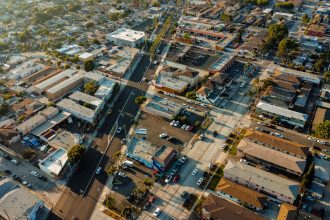
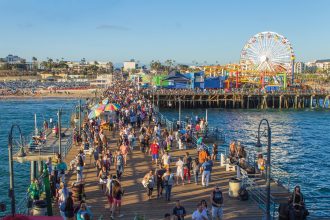
Across Los Angeles, renovations and cleanouts have a heartbeat. In Pasadena, a grandmother’s attic is finally being cleared of decades of quilts and yellowed newspapers. In Burbank, a boutique is changing hands and needs to gut a back room full of old fixtures. In Santa Monica, a beachside condo association organizes a green-waste haul after a winter storm. Each story brought dumpsters rolling down streets from Long Beach to Glendale, from Inglewood to Malibu, as a visible, honest response to the city’s constant reinvention.
That morning in Echo Park, Marisol — my neighbor and a newly minted landlord — explained the plan. ‘We’re doing this fast, because the tenants move in next week,’ she said. Her voice hummed with equal parts worry and resolve. She had booked a 20-yard bin and a permit to park it for five days. But there were other things to manage: where to put it without blocking the alley, what to do with the old paint cans, and how to keep the HOA and the city inspector happy.
Rising action: The complications of city life
You might think a dumpster is just a dumpster — set it down, toss things in, call it a day. But in Greater Los Angeles, every inch of asphalt and every curb can be its own story. On the third day, a tow truck rolled down our block to yank a sedan that had crept mountains-close to the bin. In Culver City, a neighbor complained because the bin slightly obscured his view of the street. In West Hollywood, a permit officer stopped by to verify the placement. Small tensions were as much a part of the process as the heavy lifting.
‘Did you know you can’t throw batteries in there?’ Marisol said, holding a small box of items she’d pulled aside. She read from a note she’d found on the city website: ‘No hazardous waste, no tires, no refrigerators with Freon unless properly marked.’ The list felt like a scavenger hunt of things not to do. It was the sort of municipal alphabet everyone knows exists, but few memorize until they need it.
Key insights woven into the story
As we worked, the crew leader, Omar, shared tips between hoisting cabinets and stacking drywall. ‘People think all dumpsters are the same,’ he said, wiping sweat from his forehead with the back of his gloved hand. ‘But size matters: a 10-yard is great for a small remodel or a garage cleanout, 20 or 30 yards for a full kitchen gut or a yard overhaul, and 40 if you’re doing major demo. And know your weight limits. Brick and dirt are heavy — they add up fast.’ His voice had the practiced cadence of someone who’d seen a thousand projects, each with its own lesson.
He showed us the lines painted on the inside rim of the bin: fill below that line for the driver’s safety. ‘If it’s over the top, it’s a liability on the freeway,’ he said. ‘We don’t want anything falling off under the 101.’
Omar also taught us about sorting: green waste and clean wood often have better recycling routes, metal gets valuable separation at transfer facilities, and electronics need special E-waste drop-offs. He explained the practicalities of LA: some cities like Santa Monica emphasize recycling heavily and have stricter rules for curbside placement; places like Torrance and Long Beach have large industrial transfer stations nearby, which can reduce haul costs; in Malibu, coastal cleanup considerations and fire safety can influence when and how a dumpster can be placed.
Scene: The work, the neighbors, the smells
There was the smell of coffee and dust that morning, the metallic tang of old nails, the thump of a couch being hoisted. Kids on bicycles slowed to stare. Mrs. Chen next door leaned over her fence and said, ‘You’re making progress — it looks like breathing room again.’ The city felt alive with motion: a recycling truck rattled past on Sunset Boulevard, a cyclist rang a bell as they navigated around cones, and the skyline shimmered in a heat haze beyond Griffith Park.
At one point, Marisol held up an ornate picture frame, its gold leaf dulled by varnish and time. ‘My mom used to love that,’ she murmured. She set it aside, deciding it would go to a thrift shop. That small act — preserving one item from the pile — folded memory back into the clearing, the way people salvage their lives during change.
Practical decisions and community rules
We learned that rules vary block by block. A municipal permit might be required to park a dumpster on the street in Beverly Hills, West Hollywood, or Santa Monica for more than a day. Homeowners associations in gated communities like parts of Palos Verdes or Beverly Grove might need prior approval. Some neighborhoods have time windows for drop-offs to minimize noise and blockage. If the bin will sit on a public right-of-way, a traffic control plan might be needed; in Venice, where narrow streets meet tourist flow, companies often coordinate with local enforcement to avoid tickets.
Omar counseled us on pricing, in practical, human terms. ‘You’ll see quotes in the range of a few hundred to over a thousand dollars. Size, location, weight, and how long you need it play the biggest roles. Holidays and peak remodeling seasons push prices up.’ He recommended calling three companies, checking reviews, and asking clearly about what’s included: delivery, pick-up, overage fees, and disposal costs.
Rising toward the resolution: the load and the lesson
On the last evening, the bin was a mosaic of discarded lives: pieces of a couch, a stack of laminate flooring, a battered dresser, twisted lengths of pipe. As the sun slid toward the ocean, the crew fastened tarps, checked straps, and climbed into the cab of the roll-off truck. The city’s hum softened; a police radio murmured somewhere in the distance. Marisol and I stood on the curb watching, feeling unexpectedly emotional at the sight of the empty driveway where the puzzle of our week had been put together.
‘You did good,’ Omar said, handing her a business card. ‘If you need a brush-up on recycling guidelines, ring us. We work all over LA — from the flats in Glendale to the cliff roads in Malibu.’ He pointed toward the skyline where the lights of downtown began to blink awake. ‘We see everything.’ His eyes crinkled as he smiled.
Resolution: the city breathes again
When the truck left down Sunset, the neighborhood felt altered: lighter, clearer, a stage reset for new tenants, for gardens, for a family dinner on a restored porch. Marisol invited the neighbors for tacos that night to celebrate the small victory of reclaiming space. Someone brought homemade salsa; someone else produced a folding table salvaged from the pile that afternoon. The street, briefly accented with cones and safety flags, returned to its regular chatter — joggers, dog walkers, delivery drivers — as if a district of the city had exhaled.
We had learned practical rules and softer lessons. Practicalities like getting the right size, securing permits, and separating hazardous materials were now part of the neighborhood lexicon. But more than that, we’d reminded ourselves that clearing space is also about creating room for new life: a landlord welcoming tenants, a family making room for a child’s bedroom, a shop owner opening a new storefront.
Takeaway: what to remember and do
If you’re planning a dumpster removal in Greater Los Angeles, remember these essentials: choose the right size for your job, ask about weight limits and hidden fees, separate recyclables and hazardous waste, and check your city’s permit requirements before the bin arrives. Talk to your neighbors early, especially if the dumpster will sit on the street. Use reputable companies that know LA logistics — from narrow Venice lanes to the hills of Hollywood — and get the pickup scheduled for a day that avoids rush-hour traffic and city enforcement windows.
But beyond logistics, remember to honor the human side of the project. Keep an eye out for items that could be donated, salvage objects with stories, and use the clearing as an opportunity to make space not only in your home, but in your life. As Omar said, loading the bin is heavy work, but it can feel like lightening a load you didn’t realize you were carrying.
As the last light faded and the trucks wound their way through the grid of the city, the emptied driveway stood like a small stage ready for the next act. In Los Angeles, where change is constant and reinvention is a civic sport, a single dumpster can be both a practical tool and a quiet turning point. The rumble that woke me that morning had been the sound of progress — messy, noisy, and strangely hopeful — rolling through our street and out toward the ocean, carrying with it the past and making room for the future.