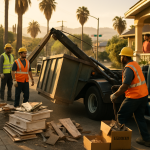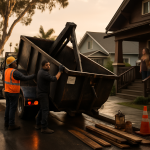
The first time Maria saw the old Victorian on Echo Park Avenue without its peeling curtains and sagging porch, she felt like she was looking into someone else’s memory. A kitchen gutted to studs, a backyard turned into a sea of broken plaster, and at the curb—a pale green roll-off dumpster that smelled faintly of sawdust and oil under the late afternoon sun. A gull cried over the freeway and a distant train rattled the rafters of a nearby bungalow; everything smelled of dust, lemon cleaner, and the soft, sour tang of a city in renovation.
Setup: Who’s Moving Out, What Needs to Go
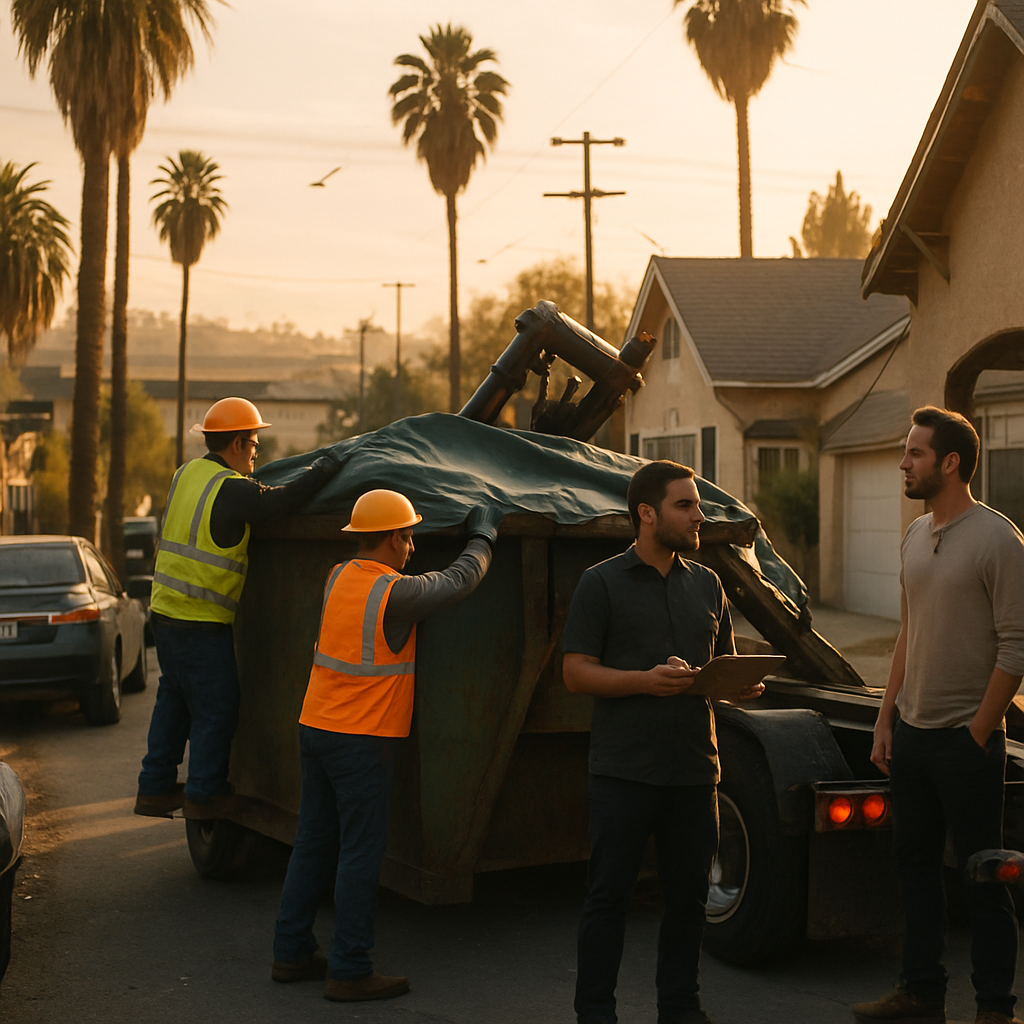
Maria was an architect by trade and an optimist by temperament. She had bought the house in hopes of restoring it to its former modest splendor. Her contractor, Luis, called the dumpster company the week after demo began and scheduled a 20-yard roll-off to sit in front of the house on the narrow Echo Park street. “We need room for the cabinets, the old tile, the drywall—everything but the bones,” he said, tapping his clipboard like a metronome.
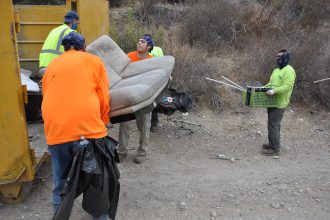
Across town in Long Beach, Malik was organizing a neighborhood clean-up. He’d rallied volunteers from Belmont Heights and Alamitos Beach to clear an alleyway that had become a dumping ground for mattress springs and illegally discarded appliances. On the other side of the city line, Mrs. Hernandez in Pasadena needed a dumpster to clear decades of stored memories after downsizing; she worried about the fragile items—old photo albums, a porcelain lamp—because those things felt like people to her.
These were different projects, different rhythms: a gut renovation in Echo Park, a neighborhood reclamation in Long Beach, an estate clean-out in Pasadena. But each required the same practical hero—an unglamorous, indispensable partner: the roll-off dumpster.
Rising Action: Streets, Permits, and the Scent of Tension
Getting a dumpster in Los Angeles is never just about dialing a number and waiting. Maria’s 20-yard unit arrived two hours early, the driver navigating narrow streets and a red Toyota Prius parked at an awkward angle. “Watch the awnings,” Luis warned, as the truck’s hydraulic arm reached like a mechanical elephant and set the dumpster down with a thud that rattled the neighbors’ dishes. Someone came out and said, ‘You can’t park that there—there’s a permit required.’ Panic rippled through the crew.
It turned out the permit was the little thing that could unsettle a schedule. In many parts of Los Angeles proper, a permit from LADOT is required when a dumpster occupies public parking or street space. Santa Monica, with its strict beachfront rules, and Pasadena, with historic districts, have their own requirements. In Venice and Culver City, narrow alleyways and HOA restrictions can mean the difference between a smooth drop-off and a midnight game of Tetris to find a legal spot.
Malik’s community clean-up had another problem: illegal dumping. After two volunteers hauled a mattress into the alley, someone dumped a TV on top of it. ‘It’s like a magnet for junk,’ Malik said, rubbing his forehead as the ocean wind carried the smell of kelp and diesel. Long Beach Public Works had been cooperative, but schedules and waste sorting rules meant that not all items could go in the same roll-off—a fact that surprised many of his volunteers.
Key Insights: What the Dumpster Teaches You
As Maria learned—sometimes the hard way—dumpsters come with rules and nuances that vary across the Greater Los Angeles Area. Here are the lessons that grew out of dust and decision-making:
1) Size matters: Residential projects often use 10- to 20-yard dumpsters. Larger construction sites, like a full-house gut, might need 30- to 40-yard containers. Maria’s 20-yard was perfect for cabinetry and tile, but when the roof came down, she rented a second unit.
2) Permits and placement: Street permits are a thing in Los Angeles. If a dumpster will occupy a public parking space or the street, you’ll typically need an LADOT permit. Locations such as Santa Monica, Glendale, and Pasadena have their own processes and sometimes time-of-day restrictions for drop-off and pick-up.
3) Weight and pricing: Many companies charge by ton for mixed loads, or offer flat rates with weight allowances. Heavy items like concrete or soil can quickly eat up a weight limit, leading to overage fees. Luis moved the concrete pavers off-site to avoid a surprise surcharge.
4) What can’t go in: Hazardous materials—paint cans, batteries, solvents, asbestos—must be handled separately. Los Angeles County and many cities offer household hazardous waste drop-off facilities. For metals and appliances, recycling centers or scrappers often provide a small return, so consider diverting these from the dumpster.
5) Recycling and donation: Not everything needs to be landfilled. Habitat for Humanity ReStore, Goodwill, and local salvage yards in Burbank and Pasadena will take functioning appliances and fixtures. Malibu and Santa Monica residents often benefit from programs that separate green waste and salvageable materials, reducing landfill impacts.
6) Logistics in tight spaces: Venice alleys and parts of Hollywood and Westwood require smaller trucks or curbside coordination. Drivers with local experience—those who know the best approach to a narrow street or how to avoid a rush-hour bottleneck on Sunset Boulevard—are gold.
7) Scheduling and turnaround: Same-day delivery exists, but peak seasons and weekends fill quickly. If you’re doing a major renovation in the fall in Sherman Oaks or a spring clean-out in Torrance, plan ahead.
Resolution: The Day the Curb Cleared
Back in Echo Park, the final pick-up day came with a low sky and the scent of citrus from a neighbor’s tree. Maria and Luis stood on the sidewalk as the truck backed in. ‘You did good,’ Luis said, clapping her shoulder. The dumpster, now heavy with plaster and old appliances, was covered with a tarp, tied down to prevent anything from blowing out onto the street.
In Long Beach, Malik watched volunteers load the final bags into the community dumpster. The alley looked suddenly like a cleared film set: clean, ordered, and full of possibility. A little girl ran her hand over a newly painted community mural and squealed. ‘We did it!’ she shouted. ‘Now it looks like a real street.’ Malik felt the familiar relief that comes after clockwork and community effort meet.
Mrs. Hernandez in Pasadena sat on a low packing box and sipped tea as the dumpster driver closed the gate for the last time. She had given away a sideboard to a neighbor in Burbank and sorted heirlooms into boxes destined for her daughter in Glendale. The house no longer felt like a cavern of things; it felt ready for its next chapter.
Takeaway: What to Remember and Do
Dumpster removal in the Greater Los Angeles Area is both a practical transaction and a small, urban drama. It involves calendars, permits, local knowledge, environmental choices, and the delicate choreography of people working together. Here are the actions that will keep your project from turning into the next neighborly complaint:
– Reserve early, especially for weekends and busy seasons. Local companies that do a lot of LA rounds know the ebb and flow of the city and can offer the best windows.
– Check local permit requirements before scheduling. LADOT, Santa Monica Public Works, Pasadena Planning, and other city agencies all have their own rules. If you’re unsure, ask the dumpster company—many handle permits for an extra fee.
– Sort ahead. Separate metal, appliances, recyclables, and hazardous materials. It saves money and reduces landfill load. Donate what you can to local ReStores, Goodwill locations, and community charities in Highland Park, Burbank, or Long Beach.
– Think about placement. If your street is narrow or your HOA has rules, consider private drive placement or pay for a temporary parking spot permit. Protect lawns and driveways with plywood when placing a heavy container.
– Communicate with neighbors. A quick note or a door-knock explaining dates and times can head off complaints and even invite help—Malik’s volunteers came because a neighbor saw his notice and wanted to participate.
The final bell of Maria’s project was the way the sunset lit the stucco houses across the street and washed the dumpster’s metal with golden light just before it left. The truck drove off and for a moment the street felt like a camera pull-back—quiet, orderly, emptied of the loud particulars of construction. A child walked by with an ice cream cone, leaving a small smear of chocolate on the sidewalk that the crew dutifully wiped away. The house, newly bare and expectant, seemed to inhale.
In Los Angeles, where neighborhoods are patchworks sewn from decades of lives, the humble dumpster is a tool for change. It hauls away plaster and rusted appliances, yes, but it also clears rooms of memories and streets of neglect, making space for new life—whether that’s a remodel in Echo Park, a mural in Long Beach, or a gentler day for someone moving into a smaller home in Pasadena. The last sound as the truck rounded the corner was not a clatter of metal but the soft, grateful echo of possibility—as if the city itself had exhaled and, for a moment, everything was exactly where it should be.