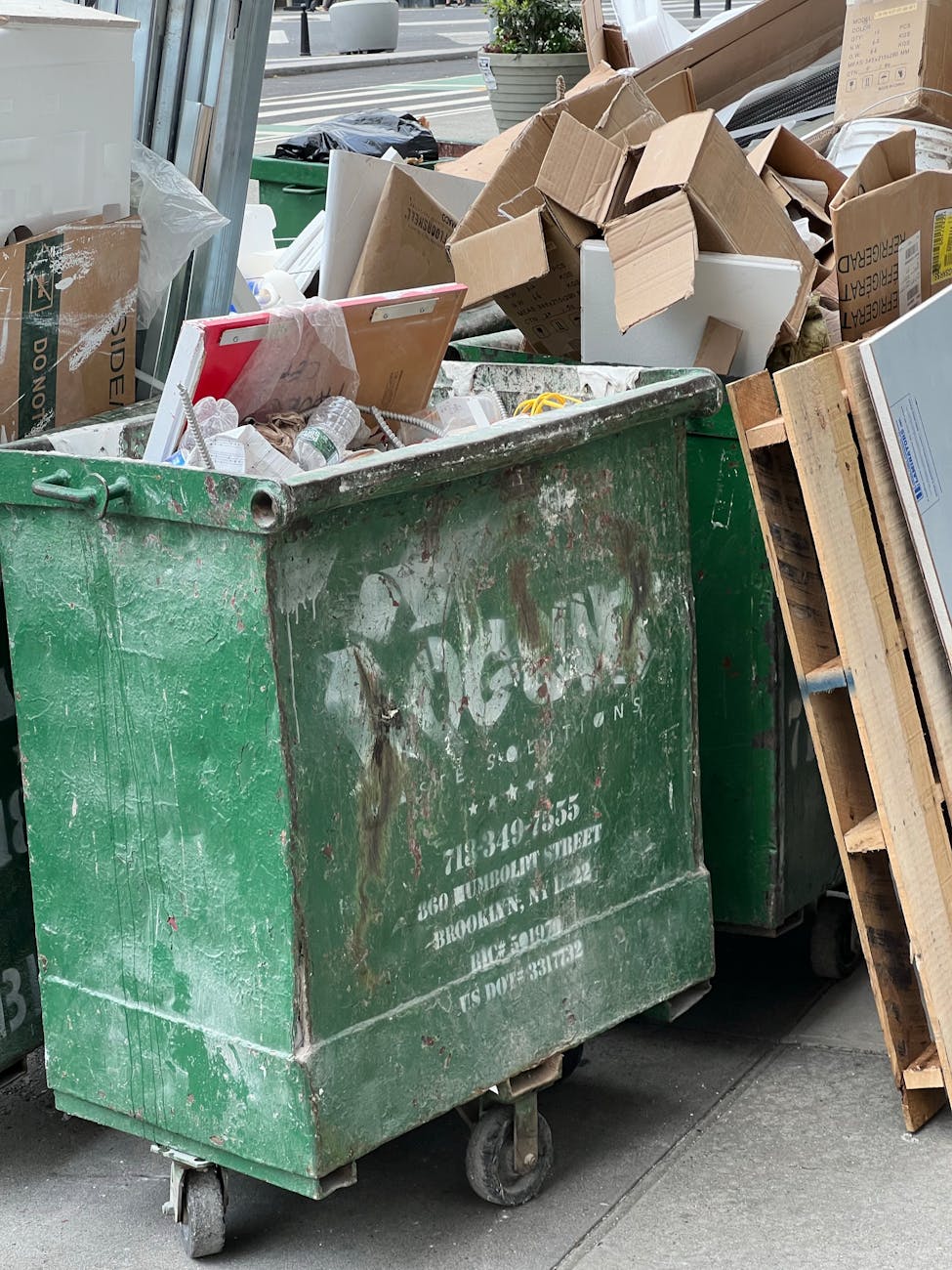
The first time I saw a dumpster in front of the bungalow on Echo Park Avenue, it looked almost cinematic: the orange glow of a late afternoon sun hit chipped paint and a cluster of discarded picture frames, and a seagull screamed somewhere beyond the hills. What surprised me, though, was not the dumpster’s presence but the neighborhood’s reaction—conversations spilling from porches, a neighbor bringing over coffee, and a contractor with grease on his palms explaining permits like they were lines from a play.
Setup: A House, a Renovation, and a City of Stories
Maria had bought the Craftsman in Pasadena because she loved its stained-glass windows and the way jasmine climbed the fence. The house needed work—new floors, a kitchen that hummed with possibility, and a backyard that could hold summer dinners. By mid-May, the driveway was a river of sawdust, the garage a museum of mismatched tools, and Maria needed a dumpster that would disappear when the dust settled.
Across town, Devon the contractor was juggling a job in Burbank, another in Venice, and a call about a late-night emergency in Hollywood. “You’d be surprised how many people call at eleven wanting a dumpster the next morning,” he said, wiping his hands with a rag. “This city moves fast. If you don’t keep up, the rubble becomes a problem for someone else.”
Rising Action: Choosing the Right Dumpster in Greater Los Angeles
Theirs was a common dilemma in Greater Los Angeles: how to clear a home of its past without letting it bleed into the present. Maria and Devon stood on the cracked sidewalk and listed questions like prayers—what size do we need? Can it sit on the street in front of the house in West Hollywood or does Santa Monica have different rules? How do we keep hazardous materials like old paint and fluorescent bulbs from tainting a neighborhood that prides itself on green initiatives?
Devon held up his phone and scrolled through options. “Most places offer 10, 15, 20, 30-yard roll-offs. For a kitchen and attic cleanout, 15 to 20 yards usually does the trick. For demolition, people go bigger. But size is only part of it—weight, permit logistics, and pickup timing all matter. And every city from Long Beach to Malibu has its own quirks.”
They stood in a breath of dry eucalyptus-scented air. In Torrance, placement on the public right-of-way requires a permit; in Los Angeles proper, the Bureau of Street Services manages street encroachments and you need a temporary use permit if the dumpster will sit on the curb. In Santa Monica and Manhattan Beach, public works departments can have stricter rules about placement and screening. “So you always ask when you book,” Devon said. “Or better yet, let the hauler handle the permit—most reputable companies will do it for you.”
Key Insights Woven into the Story
As the dumpster arrived, the clank of metal and the hiss of hydraulic lifts punctuated the morning. The driver, a quiet man named Jorge who grew up in Wilmington, set the container down gently. “You don’t want it too close to the sidewalk cut for the driveway,” he warned. “And watch the weight. Overloaded dumpsters get turned away at transfer stations in Carson and Cypress. That costs more than you think.”
Here are the lessons Maria learned while the house transformed:
- Dumpster sizes and uses: 10-yard for small cleanups and garage clear-outs; 15-20-yard for larger remodels and major decluttering; 30-yard for construction debris and large-scale renovations.
- Permits: If the dumpster touches public property—driveway apron, curb lane, or parkway—you may need a permit. Los Angeles’ Bureau of Street Services and other municipal public works departments in Glendale, Pasadena, and Long Beach issue the necessary permissions. Many haulers handle permits as part of the service.
- Prohibited items: Tires, batteries, pesticides, and most liquids or hazardous materials. Appliances with refrigerants require certified removal. Electronics often have dedicated e-waste drop-offs.
- Green disposal: Donate usable items to local nonprofits like Habitat for Humanity Restore or churches in Inglewood and Hawthorne. Recycle metals and concrete at transfer stations to reduce tipping fees and environmental impact.
- Cost factors: Pricing depends on size, weight, rental duration, and whether a permit is needed. Tip: request a written quote and clarify overage fees for tonnage or extended rental days.
Maria watched as volunteers from a neighborhood group in Echo Park took a battered dining table that still held stories of holiday dinners. “I didn’t realize the table could go to someone who needed it,” she said. “I thought it was trash.” “Not everything with age is waste,” Jorge said, leaning against the dumpster, a wry smile softening his face. “Sometimes it’s just a second act.”
Scene: Load, Lift, and Lessons Learned
The first week was a collage of sounds: the scrape of shovels, the thunk of old plaster falling away, and neighbors chatting over hedgerows. Maria learned to distribute weight—concrete in the center, lighter debris near the edges. Devon instructed the workers not to climb inside the dumpster because shifting loads could be dangerous. “You don’t know when something can slide and pin a foot,” he cautioned. “Safety isn’t dramatic until someone gets hurt.”
At one point a city inspector from the Los Angeles Department of Building and Safety walked up the block. “We get calls when dumpsters block sightlines or parking,” she said. “Simple communication avoids tickets. If you plan ahead, you won’t interrupt traffic or someone else’s day.”
When a piano—an impossibly heavy, lacquered beast—surfaced in the attic, it posed a puzzle. They couldn’t legally toss it in the dumpster because of the leaded hardware and its size. Instead, Devon called a specialty removal service that dismantled the frame, salvaged the wood, and arranged for the metal parts to be recycled. The piano became a lesson in salvage: more effort, but also less landfill.
Resolution: The Street Cleans Up, the Neighborhood Breathes
By the end of the month, the dumpster was almost full. The crew loaded the last of the broken cabinets as a wind gust carried the scent of jasmine across the yard. Maria stood at the porch, watching Jorge secure the tarp. “Feels like the house can finally breathe,” she said, eyes bright with dust and relief. “Like it can finally be what it wanted to be.”
Jorge wiped his hands, climbed into the cab, and started the engine. The sound was a low, familiar rumble that had become oddly comforting over the project. Neighbors waved from porches in Silver Lake and Highland Park, two kids rode past on skateboards, and a delivery driver beeped as he navigated around the now-cleared curb lane. The dumpster lifted, squealed gently on its rollers, and was gone—headed to a transfer station in Carson where materials were sorted, recyclables separated, and the rest weighed and disposed of according to local regulations.
Takeaway: What to Remember and Do
If you’re facing a project in Greater Los Angeles—whether in Hollywood’s hills, the bluffs of Malibu, the piers of Santa Monica, or the bungalows of Echo Park—these practical steps will save time, money, and headaches:
- Plan Size and Duration: Estimate your volume. If unsure, pick one size up to avoid a second rental.
- Ask About Permits: Confirm with your hauler or city department whether a street permit is needed for curb placement. In Los Angeles, the Bureau of Street Services handles many such approvals; other cities like Pasadena and Long Beach have their own processes.
- Know Prohibited Items: Set aside batteries, paint, chemicals, electronics, and appliances with freon. Arrange for proper hazardous waste disposal through municipal programs or specialized haulers.
- Prioritize Recycling and Donation: Salvage what you can. Recycled materials often reduce tipping fees and the environmental toll on landfills, such as Sunshine Canyon or other regional sites.
- Get Written Quotes: Confirm price, weight allowances, pickup schedule, and overage fees. Ask whether the hauler handles permits and what their policy is for contaminated loads.
- Safety First: Never climb into a dumpster. Load heavy items first and distribute weight evenly. Secure loose materials with a tarp for transport.
As the sun set behind the hills of the San Fernando Valley, Maria sat at her kitchen table where a new counter reflected a rosy light. The house smelled faintly of lemon oil and the faint, clean scent of new paint. The street was quieter now without the clatter of construction—a small, domestic peace reclaimed. “It felt chaotic at the start,” she told me, “but the right dumpster at the right time made the whole thing manageable. It was like clearing room in my life for something new.”
That night, the empty curb in Echo Park held a memory of movement—the distant rumble of trucks on the 101, the hum of evening cicadas, and the knowledge that cities are built from decisions both grand and mundane. A dumpster had done more than hold debris; it had contained a transition, buffered neighbors from noise and mess, and ultimately helped a house become a home again.
When you cross Los Angeles, from the palm-lined streets of Culver City to the industrial silhouettes of Carson, you’ll see dumpsters in various stages: loading, lifting, or long gone. Each one carries a story of change. Choose wisely, communicate early, and treat your debris with the same thoughtfulness you would give a treasured object—because in a city that reinvents itself daily, even the smallest clearance can make space for something beautiful.