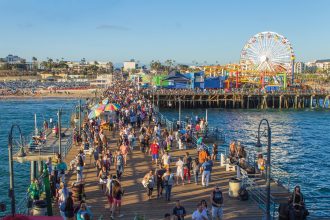
The first dumpster I ever watched disappear from a curb felt like a small vanishing act: a hulking metal box, full of a family’s life, lifted, loaded, and swallowed by a truck that smelled of diesel and salt air. It was a Tuesday morning in Venice, and the sun was striking the chrome like a spotlight while someone shouted directions over the hum of the 10 freeway. I wondered then how many stories a single dumpster could carry across this city of palms, piers, and freeways.
Setup: Meeting the Players and the City
Sam drives the green roll-off truck, a man whose hands are callused from chains and canvas. He grew up in East LA and has been hauling for a decade, threading his route like a seamstress through neighborhoods from Hollywood to Long Beach. Maria is a homeowner in Echo Park, mid-renovation, who called Sam after finding mold behind plaster and a basement of memories she wanted gone. Javier is the contractor juggling timelines and permits, and Mrs. Chen next door in Pasadena keeps an eye on neighborhood changes like a lighthouse keeper watches ships.
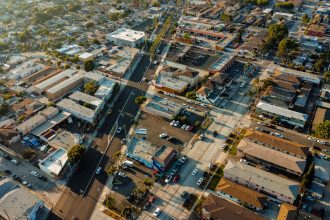
The city itself is another character, a mosaic of ordinances and micro-climates. In Santa Monica a salty breeze and strict street-permit rules complicate curbside drops. Long Beach brings heavy loads and port traffic. Pasadena’s historic districts require careful placement to avoid scarring original brick. Drive down to Burbank or Glendale and you might see studio grips organizing set debris; in Inglewood you could glimpse a new development site where dumpsters stand like modern ruins. Each place leaves a fingerprint on how dumpsters are ordered, placed, and removed.
Rising Action: The Morning That Became a Lesson
It began with a text from Maria at 7 am: ‘Water damage under the kitchen. Can you help?’ By 9, Sam had a 20 yard dumpster idling near her curb in Echo Park, safety cones arranged like teeth around it. The smell of coffee reached us from a nearby cafe; the light was golden and the city was waking up.
‘We gotta protect the driveway,’ Javier said, his palm smoothing a protective plank. ‘And check the weight. She’s got old tiles and a concrete sink.’ He sounded like someone reading the weather for trouble. I watched Maria hand him a pair of gloves, her hands trembling at first, then steadying as the first tile came loose, scattering like dry leaves.
As they worked, Sam slid into storytelling mode. ‘Every pickup is different,’ he said, leaning against the truck. ‘Downtown, you worry about meters and permits. Santa Monica? They tighten the leash. Long Beach? It’s about big trucks and timing around the port lights.’ His voice had a rhythm that matched the clatter of demolition, an odd comfort against the roughness of wood and dust.
By noon, the dumpster was half-full and heavy with plaster, tile, and a couch whose springs had given up long ago. A neighbor, Mrs. Chen, ambled over, hands clasped. ‘When I was young,’ she said, ‘we reused more. Now the city makes it so easy to throw away.’ Her eyes flicked to the truck, soft with memory and practical with caution.
Key Insights Woven Through the Work
Between the loading and the banter, practical lessons emerged like tools from a belt. First, size matters. Sam explained there are standard roll-off sizes: 10, 20, 30, and 40 yard. ‘Ten for yard cleanups, twenty for a kitchen or small remodel, thirty for a bigger demo, forty for whole-house clears,’ he said. He pointed to the dumpster’s interior where a mattress lay at an angle. ‘But mattresses and appliances add weight fast. Always ask about weight limits and overage fees.’
Permits are another thread that stitched the story to each city. ‘If you put it on the street in Los Angeles, you might need a right-of-way permit,’ Javier said, ‘and Pasadena’s historic overlay can add paperwork if the curb furniture is original.’ Sam nodded. ‘Some cities demand protective boards under the dumpster to keep asphalt from gouging. In Santa Monica they’ll make you show up with a permit application number or they won’t let you drop on the promenade side.’ These were not hypothetical obstacles; they shaped when and where dumpsters could sit.
Then came the rules about what you can and cannot put in a dumpster. Paint cans, hazardous chemicals, tires, and certain electronics are usually off-limits, because they harm recycling streams and complicate disposal. Sam hauled away a box labeled ‘old paint’ with a tight frown; it would need special handling. ‘If it’s toxic, the landfill won’t take it the usual way,’ he said. ‘You’ll need a hazardous waste drop-off or a specialized hauler.’ Recycling and donation were mentioned with a kind of tenderness: ‘If it’s in good shape, donate. Goodwill, ReStore, or local shelters—save what has life left.’
Costs floated like shadows under the sun. ‘Expect a base price for the day or week, then extra for tonnage,’ Sam explained. ‘City fees, fuel surcharges, and permit costs can stack up. Ask for a flat quote and what happens if you go over weight or time.’ A concrete sink could tip a job’s price into another bracket, and unexpected costs can undo a budget faster than a dropped tile.
Between the Lines: Local Nuances and Small Secrets
As the day wore on, Sam drove two pickups: one to a small construction site in Culver City and another to a community clean-up in Santa Monica. In Culver City, the crew had coordinated with the local public works office and left the dumpster on a paved lot, avoiding the need for curb permits. In Santa Monica, cones and a permit placard were as necessary as sunscreen. ‘They monitor beach towns closely,’ Sam said. ‘No one wants a dumpster blocking views or bikes.’
Long Beach brought another lesson. At a renovation near the port, heavy materials meant heavier permits and a longer wait for a truck with a higher gross vehicle weight rating. ‘Port areas sometimes require traffic control and restricted hours for pickups,’ Javier warned. It was a reminder that where you are in the county affects not only regulations but the physics of hauling.
Environmental options peppered the conversation. Maria decided to separate metal and wood. Sam promised to drop the metal at a recycling center in Glendale where scrap could be processed. He suggested contacting LA Sanitation for bulky item pickup if the items were residential and eligible, and he pointed out programs for mattress and electronic recycling. ‘The landfill isn’t the only destination,’ he said. ‘If it’s salvageable, let it live again elsewhere.’
Resolution: The Last Load and the Long Drive Home
By late afternoon the Echo Park dumpster was full. The workers had a rhythm now, an almost choreographed sequence: lift, toss, tamp, shout a quick ‘Watch your toes.’ Maria stood back, hands on hips, dirt under her nails and a look of relief softening her face. ‘It feels lighter,’ she said simply. Javier grinned. ‘That’s the point. You can breathe again.’ Mrs. Chen handed Maria a bottle of water and said, ‘New life for the house, eh?’ Maria laughed, the sound bright as clanging metal.
Sam climbed into his truck with the ease of someone who inhabits both truck cab and neighborhood. The engine coughed awake and swallowed the day. We followed the GPS south, freeway lanes opening like seams, the city unfolding: a mural flashing in Highland Park, families walking dogs along Silver Lake, the ocean glinting beyond Santa Monica’s skyline, the cranes of Long Beach’s port punctuating the horizon.
When Sam rolled the dumpster behind the transfer station at sunset, the sky over the city looked like a bruised watercolor—violet fading into orange. There was a quiet satisfaction in the clank of metal as the dumpster tipped and emptied, in the shape of the load spilling like a story finally told. He hoisted the truck’s hydraulic arm and watched the last of the debris tumble. ‘Another one done,’ he said. The diesel hum eased into the hush of evening traffic.
Takeaway: What to Remember and What to Do
From Sam’s cab to Maria’s cleared kitchen, the day’s tale left practical markers. If you are planning a demo or a large cleanout in Greater Los Angeles, remember these things: choose the right dumpster size for your scope, check weight limits and ask for a clear quote that includes permit and overage fees, and confirm placement rules with your city. In Santa Monica and some coastal towns, expect stricter on-street rules; in Long Beach, prepare for heavy-duty logistics around the port; in Pasadena, consider historic district rules. Protect your driveway, sort recyclables and donations before the haul, and never dump hazardous materials in a standard container.
And there is a quieter lesson, too. The trash we cast off tells stories about who we are, the life we lived in a space, and what we want to keep. A dumpster is more than metal and metal a more than vessel; it is a temporary altar where decisions are made about waste, reuse, and the next chapter. When Maria closed her kitchen door that night, there was a subtle ceremony in the emptiness: a cleared space, a room ready for new paint, new light, new life.
Sam locked the truck and watched the city breathe out under the streetlights. He thought about the next morning: a television set being hauled from a Burbank lot, a yard waste pickup in Torrance, maybe a same-day call from a homeowner in West Hollywood. He looked at the skyline—palm silhouettes against a last strip of gold—and smiled. ‘We move the city,’ he said. ‘One dumpster at a time.’ Outside, the breeze from the ocean carried a faint scent of salt and possibility.
The dumpster that began the day on a quiet curb in Echo Park ended it emptied and ready for another life. The sun slipped behind the hills, and the metal box, now clean, caught the last light like a promise. The city spun on, louder and softer as night settled, and somewhere between the asphalt and the pier a new beginning waited for the cleared rooms, the repaired roofs, and the families who would fill them again.