The first time I stood outside our house in Silver Lake with a mound of drywall, a battered couch, and the ghosts of a kitchen renovation looking back at me, I thought: what a beautiful mess. The late afternoon light softened the jagged edges of wood and plaster, the smell of sawdust mixing with the faint citrus of a neighbor’s orange tree. Down the street, a palm tree leaned like a silent sentinel. I had no idea what I was about to learn about dumpsters, permits, and the surprising geography of waste across Los Angeles.
Setup: A renovation, a timeline, and a city that refuses to be simple
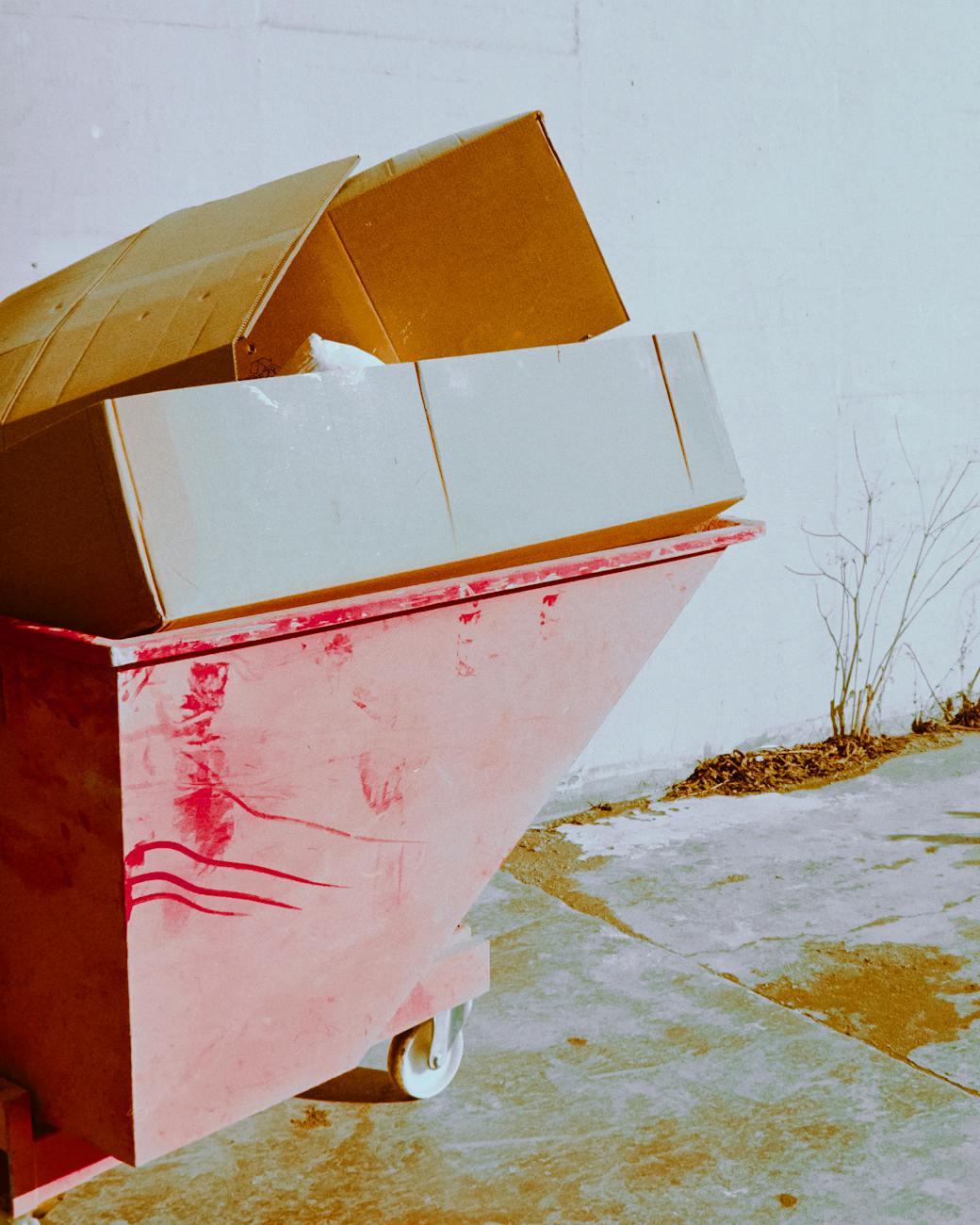
My name is Mara, and my husband Alex and I had bitten off a kitchen renovation that promised white subway tile and a reclaimed-wood island. Our contractor, Rosa, arrived on a Tuesday with a clipboard and a half-grin. ‘We’ll need a 20-yard roll-off for the main demo and a 10-yard for the trim,’ she said, like that settled everything. I imagined two neat containers, punctual pickups, a few beeping trucks, and then the apartment would be gloriously free of debris.
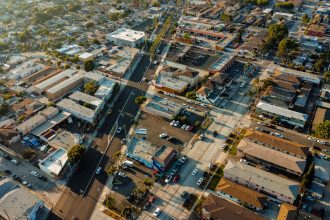
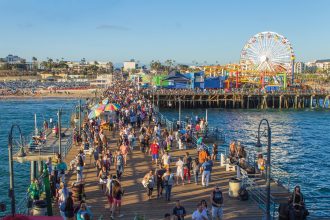
But Los Angeles is a city of neighborhoods, and each neighborhood is a country of its own rules. Our immediate blockade to progress was not the drywall but the curb: the street outside our Silver Lake bungalow was narrow and lined with parked cars. Across town, my sister in Santa Monica had to navigate coastal rules about when drop-offs could occur near the pier. In Glendale, a friend once told me his dumpster had to be moved to the driveway because the city denied a street permit. The more I asked, the more I realized that dumpster removal in Greater Los Angeles is less about trash and more about choreography.
Rising action: Permits, neighborly resistance, and hidden surprises
We called the rental company and asked about permits. The voice at the other end was patient. ‘Most cities require a permit if the dumpster sits on public property — that means your street or sidewalk. For curbside placement in LA or Long Beach, you’ll need a street-use permit; in Santa Monica, there may be limits on placement and hours.’ He was careful to say ‘most’ because each municipality — Los Angeles, West Hollywood, Burbank, Pasadena, Torrance, Long Beach, Culver City — had its own nuances.
Rosa negotiated the permit logistics while I scheduled pickups. The first tension point came from a neighbor, Mrs. Delgado, who loved her garden and her peace. ‘Do they have to start at seven?’ she asked when she saw the permit placard fluttering on the dumpster. I could smell her lavender as she spoke. ‘Construction wakes the birds.’ We compromised: pickups would avoid early mornings, and the dumpster would be sited to shield her hydrangeas.
During the demo, we uncovered things nobody expected. Behind an old pantry, a rusted pipe had crumbled, spilling a nest of nails and a shard of asbestos-tinged tile. Rosa crouched in the dust, flashlight in hand. ‘We stop now, call for a hazardous materials assessment,’ she said. Suddenly the dumpster that accepted wood and tile could not accept regulated waste. We learned there are hard lines: batteries, solvents, certain paints, and materials containing asbestos or lead must be handled through household hazardous waste services or licensed abatement contractors — often housing separate drop-off sites in Los Angeles County.
Key insights woven into the story: sizes, costs, and legalities
While we waited for the hazmat team, I started to map the practical landscape I had once assumed was universal. Dumpster companies generally offer roll-off sizes — 10, 15, 20, 30, and 40 cubic yards — each suited to different projects. A small kitchen or bathroom demo might be happy with a 10- to 15-yard, while whole-home renovations call for 30- or 40-yard units. Pricing depends on size, rental duration, weight allowance, and location. For a typical Greater LA home renovation, expect base rental rates roughly between $300 and $900, with potential overage fees for excess weight — often charged per ton — and fees for extended rental periods.
‘Always ask about the weight limit,’ Rosa told me as the hazmat folks in blue suits sealed the affected area. ‘A dumpster looks roomy, but concrete and tile add weight fast. And if you park on city property, the permit might carry conditions — signage, reflective cones, or even the use of traffic control in busy streets like Santa Monica’s Ocean Avenue or Glendale’s main drags.’
There are also environmental hues to the story. Los Angeles County encourages diversion: recycling, reuse, and donation. For items that can be salvaged, consider donating to Habitat for Humanity ReStore locations sprinkled from Pasadena to Torrance, or schedule pickups by Goodwill and nonprofit haulers. Appliances, latex paint, and metal can often be redirected to recycling centers; oversized loads of green waste may qualify for separate green dumpsters to compostable facilities. When we pulled an old stainless range from our house, Rosa called a local appliance recycler who picked it up and left us a smaller bill for disposal.
Another thread unfolded as I learned about transfer stations and landfills — the practical terminus of a rental dumpster’s contents. Sunshine Canyon Landfill in the north San Fernando Valley is one of the region’s major municipal facilities that receives much of the city’s non-hazardous debris. For coastal cities like Long Beach and Torrance, there are nearby recycling and transfer facilities where materials are sorted and processed. Your hauler will often route debris to the nearest permitted facility, but it’s smart to ask where exactly your trash will go — both for transparency and to ensure compliance with local ordinances.
Tension peaks: a permit hiccup and a rainstorm
Just as we thought we’d smoothed everything out, the city called to say our permit application needed more detail. A neighbor had submitted a complaint about sightlines, and the permit office wanted to confirm safety measures. The pickup that had been promised for Friday might be pushed to Monday. Then a sudden spring squall rolled down from the Santa Monica Mountains, turning plywood into a soggy, heavier mass; the dumpster’s weight surged. I stood in the rain, hair plastered to my forehead, and watched water collect on tarps. The mood swung between small-town bustle and bureaucratic limbo.
‘We’ll tarp it and call for a weight reassessment,’ Rosa said, resolute. That night we lay awake listening to the city breathe — distant freeway hum, a siren, and the rain’s percussion. Dumpster removal had become, unexpectedly, a study in contingency planning.
Resolution: How it all came together
By the time the hazmat team cleared the old tile and the permit office granted a conditional approval, our project was a well-orchestrated machine. The 20-yard roll-off sat obediently by the curb in front of our house, flanked by reflective cones and a permit placard. The hauler arrived on schedule, the driver giving a curt nod as if to say: I’ve seen every mess this city can make. ‘Load it to the depths but keep corners accessible,’ he advised when he saw how we were piling things.
Loading smartly matters. Break down bulky furniture to save volume, stack heavier items low, and avoid overhanging material that could become a hazard during transit. Place hazardous items aside for proper disposal; never mix batteries or solvents with household trash. Rosa and the crew helped me separate metal and appliances for recycling, and we made two donation runs to a ReStore in Pasadena and a Goodwill drop in Culver City. The final pickup was swift, and the empty street felt like a stage after curtains fell — clean, a little raw, and full of possibility.
Takeaway: What to remember and what to do next
Our dumpster story in Silver Lake ended with a small block party. Mrs. Delgado came out to water her hydrangeas and brought us lemon bars. ‘You learned a lot, didn’t you?’ she said, smiling as the sun set behind the hills. I had. Here are the practical threads woven through our experience, distilled for anyone facing debris in Greater Los Angeles:
– Check permits early: If the dumpster will sit on public property — a street or sidewalk — contact your city to find out about street-use permits. Each municipality from Los Angeles to Santa Monica to Long Beach has different rules and timelines. Your hauler can often handle permit filing for a fee.
– Choose the right size: Typical roll-offs are 10, 15, 20, 30, and 40 cubic yards. Match the dumpster to the project, but remember weight limits. Heavy materials like concrete and tile hit the tonnage quickly.
– Separate hazards and recyclables: Batteries, solvents, certain paints, and suspected asbestos must go to household hazardous waste centers or be handled by licensed contractors. Donate usable items to local organizations in Pasadena, Glendale, or Torrance.
– Plan for logistics: Consider street width, parking, permitting, neighbors, and timing. Early-morning pickups may be restricted in places like Santa Monica or Echo Park. Use cones and permit signage to keep the site safe.
– Ask where it goes: Haulers will typically use permitted transfer stations or landfills like those serving Los Angeles County. Ask for transparency and receipts if you need them for records.
– Work with local pros: Contractors and haulers who know the local landscape — from Culver City to Burbank to Manhattan Beach — will save you headaches and often money.
Standing in our cleaned-up kitchen, the light fell across the new island and made the tile glow. The city outside continued its steady rhythm — a dog barking in Echo Park, a surfer’s laugh carried from near Venice, the distant rumble of a ship in Long Beach on a busy day. Dumpster removal had been a small, gritty lesson in how the city moves: a network of rules, people, and places that keep Los Angeles humming. It turned out to be less about hauling away what we didn’t want and more about making space for what came next.
When you call for a dumpster in Greater Los Angeles, you’re not just ordering a metal box. You’re entering a civic conversation — with permits, neighbors, the coast breeze in Santa Monica, the hills of Glendale, and the recycling centers tucked into the city’s peripheral geography. Do your homework, lean on local pros, and watch how a messy pile of sawdust and old cabinets becomes the opening act for something brighter. The last image that stayed with me was simple: a solitary palm tree at dusk, silhouette sharp against a cleansed sky, while the street where our dumpster once sat held only the echo of work well done.