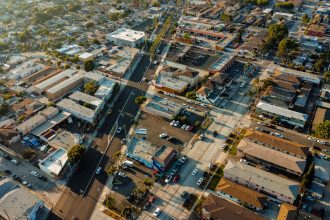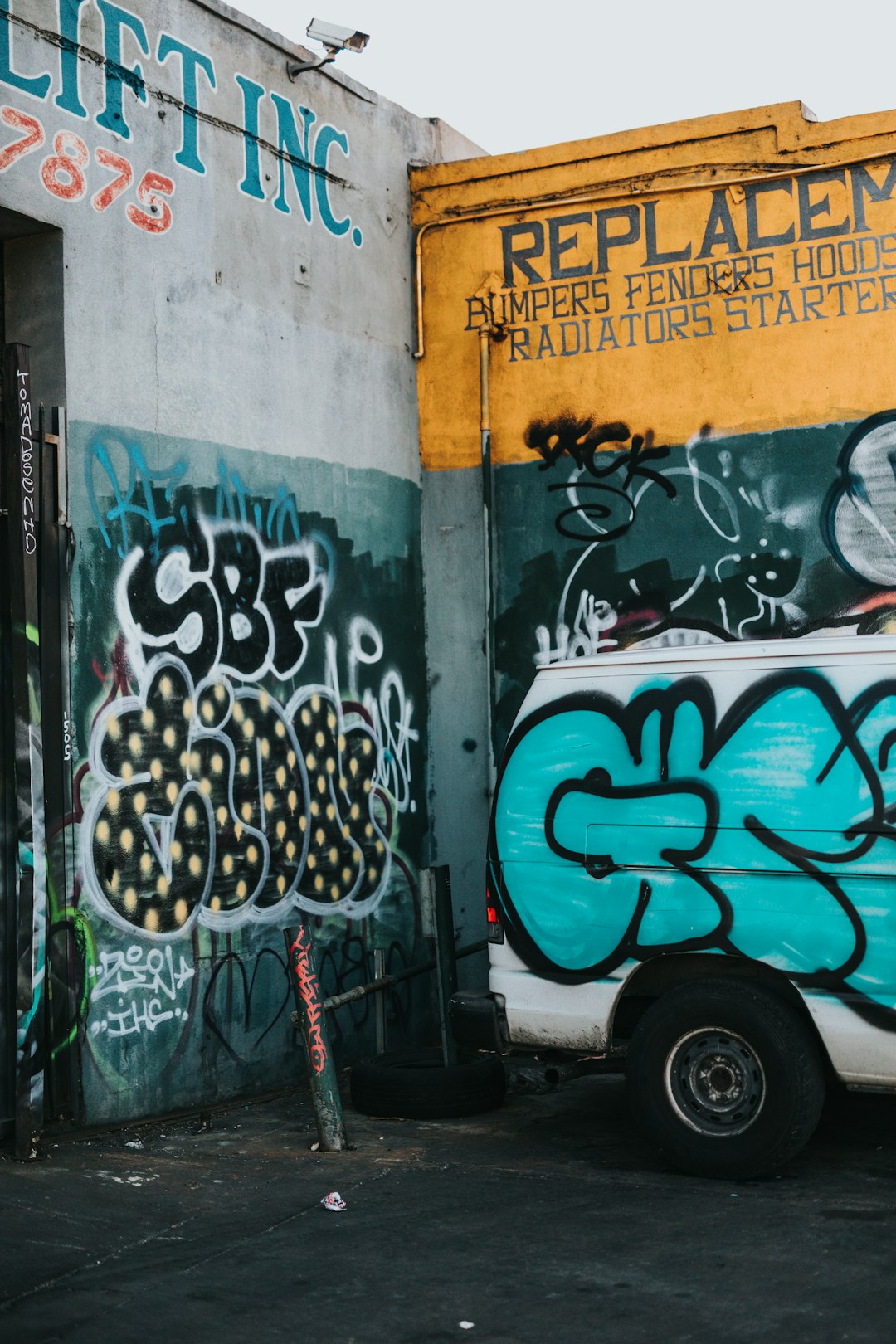
The first time Maria watched the rusted dumpster arrive in front of her Echo Park bungalow, she thought of a ship mooring. The sun was a molten coin sinking behind the hills of Griffith Park, and the truck’s engine sighed like an old sea captain. Sawdust drifted through the air and settled on the hibiscus by her porch, and somewhere down the block a neighbor’s radio played a Beach Boys chorus. She stepped outside, hand on the gate, and felt the city hush around that unfamiliar, hulking presence.
Setting the Scene: Why a Dumpster Matters in Los Angeles
There is a particular kind of Los Angeles clutter: the detritus of constant reinvention. In Santa Monica, a condo owner tosses carpet that has absorbed decades of sand and sunscreen; in Burbank, a film studio clears out an old set; in Long Beach, a homeowner converts a garage into an art studio and discovers decades of forgotten hardware. A dumpster is more than a receptacle — it is an event marker. It says: we are doing something big here.
Maria’s project was a kitchen gut and backyard refresh. Her contractor, Jaime, had recommended a 20-yard roll-off dumpster. “You want room for cabinets and tile plus the green waste,” Jaime explained, tapping his phone to show a photo of a crowded driveway in Highland Park. “But remember: where you put it and how long you keep it matters. City rules, neighbors, HOA… it all gets involved.”
Mounting Tension: Delivery, Permits, and Neighborhood Moods
When the scheduled delivery truck rolled up on a Tuesday morning, two things were true: Maria hadn’t yet secured a curb permit, and Mrs. Alvarez from next door had brewed coffee and crossed the lawn with a stack of printed city notices. “In Pasadena, they’re strict about that,” she said, peering at the driver who was consulting a paper route map like a captain studying a tide chart. “They ticket for the slightest thing — you need a permit if it’s on the street more than 72 hours.”
The driver, a lean man named Rico, scratched his head. “If we put it in the driveway, it’ll be fine. But we put plywood down first, right?” he asked. The pavement was warm beneath their shoes, still holding onto the morning’s heat. Maria nodded, suddenly aware that a dumpster wasn’t just dropped and forgotten. It was negotiated furniture — an object to be situated with care, respect, and paperwork.
Across town in West Hollywood, Jaime had a different kind of problem. A production crew had scheduled a dumpster for a small soundstage clearout, but their permit to occupy the curb had been denied because the city wanted additional signage and cones. In Hollywood, a blocked lane could mean a caravan of delayed cameras and irate producers. In Torrance, a homeowner had to delay her landscaping because the HOA required written notice 15 days prior.
Key Insight: Choosing the Right Dumpster (and Avoiding Hidden Costs)
Size matters. From tight junk removal jobs in Culver City to major remodels in Beverly Hills, roll-off dumpsters come in common sizes: 10, 15, 20, 30, and 40 cubic yards. “A 10-yard dumpster is like a small pickup truck — great for garage cleanouts,” Jaime told Maria as they stood by the open container, the metallic smell of old paint rising in the heat. “If you’re doing a full kitchen demo in Glendale or a bathroom remodel in Manhattan Beach, think 20 to 30 yards.”
Weight is another story. Los Angeles County transfer stations charge by weight, and companies often include a ton limit. “Watch out for per-ton overages,” Rico said. “Mixed loads with concrete, dirt, or tile will get heavy fast. If you throw in a bag of soil and a bathtub, that bill jumps up.” He gestured to a stack of roof shingles in the dumpster — a common cost trap for homeowners in Santa Monica reroofing projects.
There are also materials that simply shouldn’t go into a dumpster: paints, solvents, asbestos, tires, batteries, and household hazardous waste. Cities like Long Beach and Anaheim have robust hazardous waste collection programs; disposal requires a different route. Jaime pulled out a list on his phone and read aloud like a mechanical prayer: “No paint, no propane tanks, no compressed cylinders.” Maria imagined a crestfallen paint can glowering at the empty kitchen walls.
Permits, Parking, and Protecting the Driveway
Placement became its own small drama. In busy streets like Sunset Boulevard or near the UCLA campus, parking permits and street occupancy permits are often required. Los Angeles Department of Transportation and many city municipalities require permits when a dumpster blocks a portion of the public right-of-way. You might need to reserve a parking spot, pay for cone rentals, or provide signage.
“Plywood under the wheels, folks,” Rico said as he lowered the dumpster with hydraulics that sounded like a far-off thunderstorm. “Driveways crack. If you don’t protect that concrete, you could be paying for repairs later.”
Maria watched the wood laid down, the container lowering with a mechanical sigh until it sat like a heavy animal breathing. The scent of diesel lingered, a smell that in Los Angeles mingled with ocean salt in coastal neighborhoods and palm-sap sweetness inland.
Weaving Sustainability into the Cleanup
One of the most surprising turns in Maria’s project was how much she could divert from the landfill. Jaime arranged for separate bins for green waste and recyclables. “Los Angeles and Long Beach have aggressive recycling goals,” he said. “If you separate materials — metal, wood, concrete — you could save a few hundred dollars and do the planet a favor.”
At the transfer station later, the sight was both humbling and hopeful: a conveyor belt, workers in neon vests sorting reclaimed wood, metal, and clean concrete. The smell of hot asphalt and crushed rock hung in the air. “This used to be all landfill,” an attendant said, wiping his brow. “Now we pull out everything we can reuse.”
It mattered not just for cost, but for the story Maria wanted her house to tell: not a house that discarded indiscriminately, but one that participated in the city’s slow, gritty act of repair.
Rising Stakes: Neighbor Complaints and Weather Delays
Midway through the job, rain threatened — an unusual thunderhead drifting over the LA basin. Water pooled on the plywood, paint chips plinking like tiny bells into the dumpster. Mrs. Alvarez knocked on Maria’s door with a worried look. “Are you sure it’s okay to have that here if it rains? It’ll overflow and everything will puddle.” The worry was contagious, a ripple of anxiety moving through the block.
Then there was the neighbor who complained about noise at dawn by sending a terse email to the HOA. Jaime negotiated, promising to keep heavy sawing after 8 a.m. and to stage the mess neatly each night. The dumpster, once a hulking antagonist in the neighborhood story, started to feel like an agreed-upon guest whose manners were being discussed and refined.
Logistics and the Little Things People Forget
Over the course of two weeks, Maria learned the practical checklist most people only discover mid-project: arrange for pickup windows, confirm whether roll-off companies slide the dumpster onto the property or the street, verify tarp requirements for rainy days, and ask about wait times when pick-up windows are tight. A delayed pickup in Inglewood meant extra days on a busy street; in Pasadena a scheduled public works window had to be coordinated so the dumpster wouldn’t block a parade route.
Communication was everything. “Get everything in writing,” Rico advised. “Rental dates, what’s included, per-ton rates, and what happens if it sits longer. Also, ask about the company’s environmental practices — some will take metal for recycling and avoid landfills where possible.”
Resolution: The Day the Dumpster Left
When the final piece of tile clinked into the container, there was a small ceremony of sorts. Maria, Jaime, and Rico stood by the curb. The sunset painted the stucco houses of her street a soft terracotta. The dumpster door slammed one final time, the noise a punctuation. Rico climbed into the cab, started the engine, and the hydraulics engaged with a smooth, familiar groan as the container lifted.
Neighbors drifted to their lawns. Mrs. Alvarez waved, a baker’s smile that suggested a shared victory rather than victory over nuisance. “It looks so much better already,” she said. The truck rolled away, carrying the old bones of a kitchen — countertops clouded with stories, cabinets with fingerprints — toward a sorting yard, toward new life for some pieces and appropriate disposal for others.
What to Remember: Practical Lessons from Maria’s Story
From Echo Park to Long Beach, the lessons Maria learned can save time, money, and headaches: choose the right size for the job; ask about weight limits and per-ton fees; separate recyclables and green waste where possible; protect your driveway with plywood; check city and HOA permit rules before you schedule delivery; never mix hazardous materials in the roll-off; confirm pickup windows and tarp policies; and communicate with neighbors to avoid surprises.
Most of all, remember that a dumpster is part of the neighborhood conversation. It arrives heavy and conspicuous, but when handled with care—permits in order, driveway protected, materials sorted—it becomes a sign of progress rather than a problem. It is a temporary monument to change, hitching your personal renovation to the greater story of a city that reinvents itself street by street.
That evening, Maria stood on her newly trimmed porch steps and watched the last glimmer of sun slip behind the Hollywood Hills. The driveway was empty and clean, the hibiscus leaves dusted with a faint shimmer of sawdust like confetti. In the distance, the city hummed: a mix of freeways, waves, and low conversations. The dumpster was gone, but its trace remained — a line of newly painted wood, a garden patch ready for new plantings, a kitchen that smelled faintly of citrus cleaner and fresh paint. The house had been altered, not just by demolition but by the choices of careful people who thought ahead. In Los Angeles, where reinvention is an everyday act, that was exactly the point.