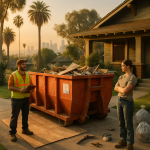
The morning a green roll-off clattered into Maria’s alley in Echo Park, she thought of the old piano on her front porch—its lacquer peeling like dried riverbed. It had been there since her grandmother’s funeral, a patient monument to memory and a reminder that homes collect things the way Angelenos collect stories: in layers, on porches, under palm trees. ‘How much is this going to cost?’ she asked, cupping a coffee that had gone tepid in the cool shade. The driver, a man with a name tag that read ‘Javier’, smiled and said, ‘Let’s get you the right size. We’ll walk the path first.’ It was a practical line, but the day smelled like citrus and diesel and possibility—and by evening the alley would look different, emptied of an old life and ready for a new one.
Setting the Scene: Why Dumpsters Feel Like Urban Rituals
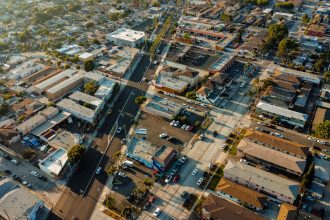
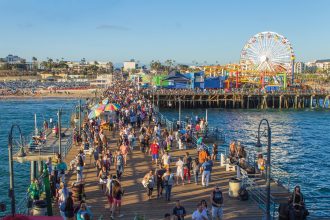
Los Angeles is a city of transitions. From the sun-glinting palms of Santa Monica to the industrial hum of Vernon, neighborhoods reconfigure themselves every season. In Burbank, a renovation crew pried up mid-century tiles that had lived underneath shag carpet for 50 years. In Long Beach, a family cleaning out after a tenant left behind a lifetime of toys and furniture watched as a roll-off took away the tangible residue of another life. Everywhere, dumpsters become stages where endings and beginnings play out. They are loud and mundane and essential—the movable punctuation marks in the city’s long story.
Characters on the Job: The People Behind the Roller Doors
Javier had been driving roll-off trucks for nine years. ‘You learn the city by its alleys,’ he told Maria as he eyed the route to the curb, pointing to a narrow strip where a parking meter stood like a sentinel. Malik, a project manager from a remodeling company in Glendale, coordinated three dumpsters between Pasadena and Torrance on that same Tuesday. ‘It’s a chess game,’ he said. ‘You try to place each piece so it doesn’t block the next move.’
Then there’s Leila from a nonprofit in Hollywood who arranges pickups for donated furniture. ‘People think trash is trash,’ she said, loading a gently used bookshelf into a van one afternoon in Inglewood. ‘But I see potential—bookshelves, lamps, things that could be someone’s forever piece.’ Between Javier’s steady hands, Malik’s spreadsheets, and Leila’s hopeful sorting, there is a pragmatic alchemy: debris becomes opportunity, and junk becomes granularity in a map of the city’s resource flows.
Rising Action: Logistics, Permits, and the Little Disasters
Not every job is straightforward. Maria’s alley was narrow, and a tree root raised the driveway lip by a few inches. ‘If the bin sits too high, it could roll back and scrape the piano,’ she fretted. Malik called the city to check on zoning and permits. In Los Angeles, any dumpster that occupies the public right-of-way—meaning it blocks parking spaces or sits on the street—usually needs a permit from the city Department of Public Works or local public works office. Santa Monica’s rules echoed the same theme: safety first, permit second. Long Beach required a different set of disclosures for commercial loads. Each neighbor stirred with questions: where would the dumpster sit? How long would it stay? Would the truck arrive during rush hour?
In one afternoon near Pasadena, a dumpster placement nearly became a minor neighborhood revolt. A single-family home had ordered a ten-yard container that spilled over with old drywall, tiles, and an ancient mattress. The crew had put temporary ‘no parking’ signs as required, but two car owners, late from work, returned to find cones and a large metal box in front of their driveways. Voices rose. ‘What about my shift?’ one neighbor called. A polite but firm conversation followed. The crew manager offered to re-time the pickup and leave a note detailing the permit number and contact for the city’s public works—small gestures that smoothed tempers. It was a reminder that dumpster work is as much about diplomacy as it is about hauling.
Key Insights Woven into the Story
As the narrative unfolded from Echo Park to Torrance and Santa Monica to Burbank, practical lessons surfaced like flotsam on the shore. First, size matters: roll-off dumpsters commonly come in 10, 20, 30, and 40-yard sizes. ‘Pick the one that matches the project,’ Malik advised. ‘Ten for small cleanouts, twenty for medium remodels, thirty or forty if you’re gutting a kitchen or an entire unit.’
Second, there are rules about what can go in. Hazardous items—paint cans, solvents, certain electronics, asbestos-containing materials—need special handling. Leila recounted an afternoon in Inglewood when a tenant tried to toss old fluorescent tubes into a bin. ‘Those have mercury,’ she said. ‘You can’t just throw them in.’ Many cities in the region offer household hazardous waste collection days or require separate drop-off to transfer stations. Sunshine Canyon Landfill and local transfer stations take mixed construction debris, but they have disposal fees and sorting requirements; recycling centers and salvage outlets can divert wood, metal, and appliances.
Third, cost isn’t just the rental fee. There are delivery and pickup fees, overage charges if you exceed weight limits, and sometimes permit fees. ‘And don’t forget the landfill tipping fee,’ Javier said. ‘It’s like a toll for every ton.’ A little planning—sorting what can be donated, recycling metals and clean wood, and removing prohibited items—can cut the bottom line significantly.
Scene: The Dumpsters Move Through the City
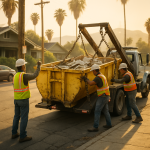
Under a late-afternoon sky tinged with smog and sunset, a line of trucks threaded through downtown LA toward Long Beach. Palm trees kept time with the rhythm of turn signals. Children on sidewalks waved at the bright safety vests; an elderly man on a bench chuckled and told Malik a story about a piano he once lost to the curb. Every stop had its own sensory footprint—the chalky scent of drywall at a studio in Burbank, the tang of salt from a Santa Monica teardown, the sharp arithmetic of tile dust in Glendale. Workers hummed in the background, tools clanking, the metallic sigh of dumpsters being raised and lowered into place.
At a house in Torrance, Maria watched the piano being handled with surprising care. Two crew members wrapped it, and one joked, ‘This one’s sentimental, huh?’ She smiled, feeling the knot of grief ease a little. ‘My grandmother loved it,’ she said. ‘It means a lot that you treat it gently, even if it goes away.’ It was a small human moment in a day of heavy lifting.
Practical Considerations: What Angelenos Should Know
If you are planning a dumpster rental in the Greater Los Angeles Area, here are the practical steps that emerged from the day’s work: call ahead to check permit requirements with your city; measure the space where you want the dumpster placed and confirm truck access; sort items into keep, donate, recycle, and dispose piles to save money; ask the rental company about weight limits and prohibited materials; and coordinate placement times to avoid neighborhood friction. Many companies will help you navigate the paperwork. ‘We’re used to city hall,’ Javier said. ‘We know which department to call, which form to fill out.’ For businesses, there are commercial hauling contracts and recycling mandates in some cities, so talk to your hauler about consistent pickups and diversion plans.
Resolution: The Alley After the Haul
By sunset, Maria’s alley looked like a small island of order. The piano, after a careful appraisal, went to a local nonprofit restoration program recommended by Leila. The dumpster, now empty and glinting with a tired sheen, had done its job: it held an end and offered clearance for a beginning. ‘You did good work,’ Maria told Javier as he prepped the truck for its next route to Long Beach. He shrugged, hands blackened with work, and said, ‘We move more than stuff. We move transitions.’ The alley smelled of warm concrete and lemon oil from the piano polish, a small, tender scent that felt like closure.
Takeaway: Remember This Before You Call the Truck
Dumpster removal in Greater Los Angeles is choreography—logistics, permits, disposal laws, and human stories all moving together. If you’re facing a cleanup, remember to choose the right size, sort materials to lower costs and increase reuse, check local permit rules, and communicate with your neighbors. And when the truck leaves, take a moment like Maria did: look at the cleared space and imagine what you will build next. In a city that reinvents its own skyline and living rooms with practiced regularity, those empty lots are invitations.
As night fell, Javier drove toward the harbor with the fading light painting the truck a soft orange. Across the freeway, neon signs flickered on in Glendale and Burbank, and in Santa Monica a distant gull called. The dumpster, now a simple tool in the long procession of Los Angeles life, had finished its day: a chorus of metal and diesel, permits signed, donations scheduled, and a small piano whisked warmly to a new story. Maria closed her front door and sat in the quiet where the piano had been. For a moment she could hear the echo of old songs; then she began to imagine the fresh paint and the new shelf where the piano had stood—reminders that in this city, even removal creates space for something else to grow.