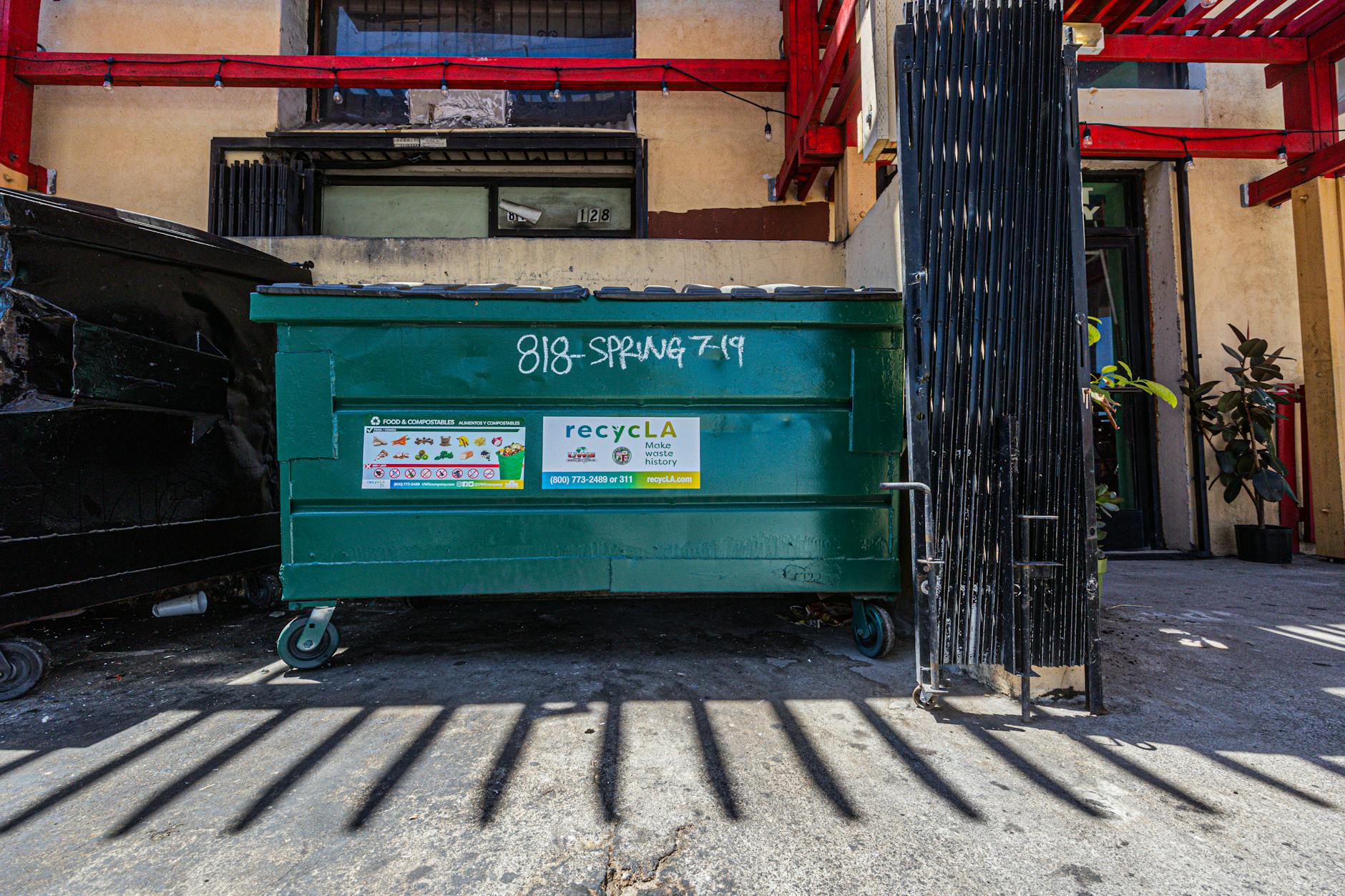
At 6:30 a.m., the street smelled like cut pine and coffee. Maria pressed her forehead to the cool window of her Echo Park bungalow and watched a low rumble approach, a steel rectangle glinting in the orange light like a scavenger ship. The dumpster rolled past her neighbor’s hibiscus, its wheels leaving faint marks on the pavement. For a week, she had imagined the moment she could finally toss the stacks of drywall and decades of faded tile into one nothingness. Now, faced with the clang and the chorus of folding metal, the renovation felt suddenly and wonderfully real.
Setup: Who’s on the Street
Maria’s project was small by Los Angeles standards—a kitchen tear-out, a new island, a fresh coat of terrazzo. But in a city where every square foot is a story, even a modest remodel can accumulate a surprising amount of debris. Across town in Long Beach, an apartment complex was clearing out after a landlord swap. In Pasadena, a family prepared for a backyard overhaul. In Venice, a designer was gutting a beachside bungalow. Each job needed the same thing: somewhere for the waste to go.
The characters in this scene were ordinary but indispensable. Ramon, Maria’s contractor, kept his phone on a chain of reminders; he wore the smooth confidence of someone who had turned dozens of piles into foundations. Luis arrived with the dumpster, a wiry hauler with calloused hands and a laugh that sounded like metal on metal. Maria watched them like a new parent, seeing the work in three dimensions for the first time. Miami license plates and a parking permit hung in the windshield; the truck’s engine idled and sighed.
Rising Action: A Question of Size, Permit, and Place