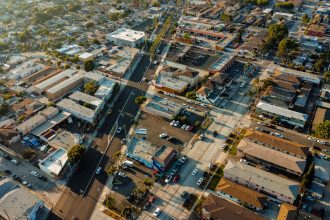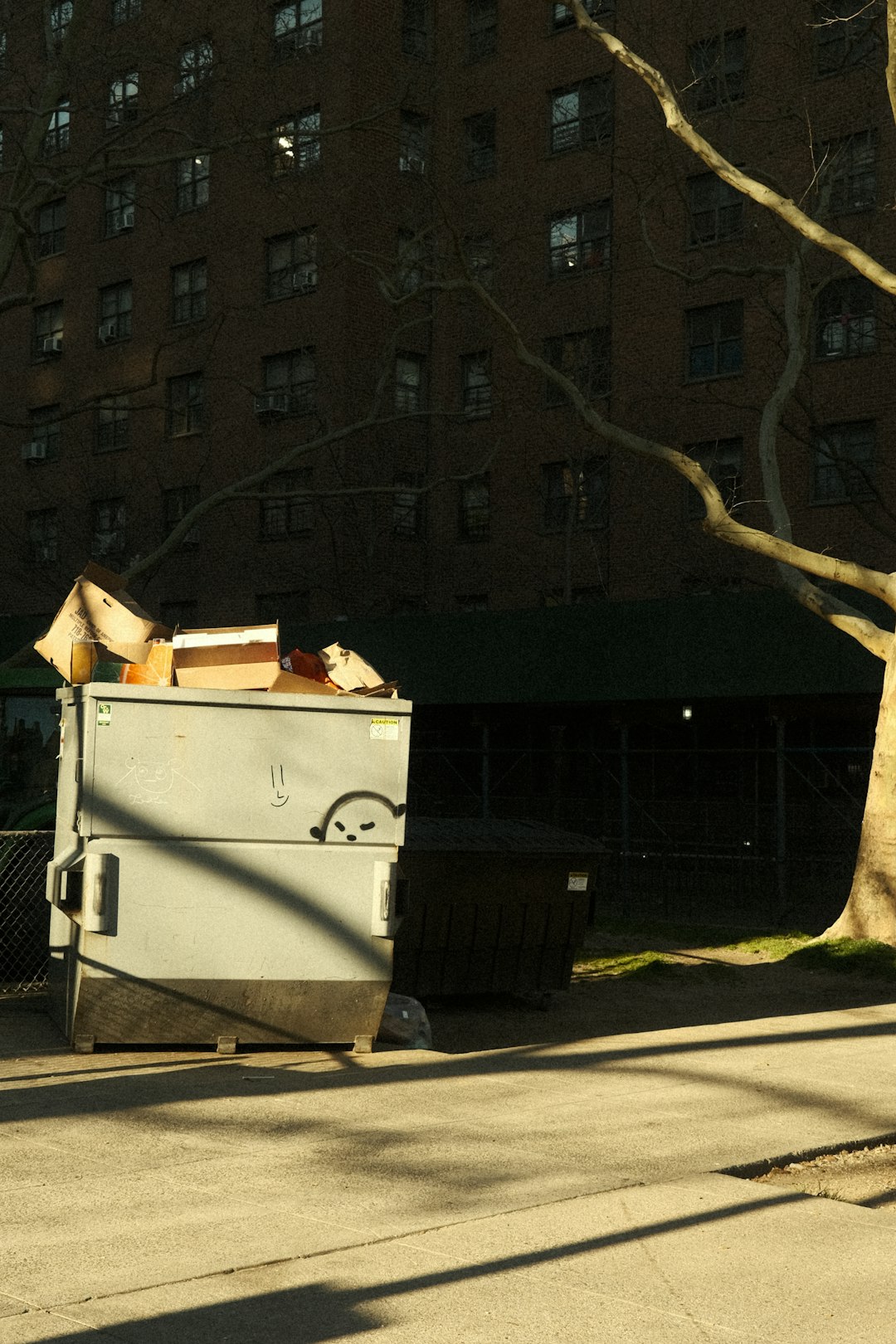
On a hot Thursday in late May, the sun landed like a bright coin on the corrugated lid of a 20-yard dumpster parked on Maria’s cracked Echo Park driveway. The dumpster smelled of damp drywall and old paint, and the sharp clack of a pry bar echoed between the eucalyptus trees. “We only have three days,” Maria said, wiping sweat from her brow. Around the corner, a neighbor in a faded Dodgers cap watched from his porch as the crew unloaded the last of the kitchen cabinets from the van.
Hook: The Dumpster That Wouldn’t Fit
The dumpster should have been the easy part. It was listed online: “20-yard roll-off, same-day delivery, residential placement available.” But when Jamal, the contractor from Torrance, called to confirm, the delivery driver hesitated. “The street permit in LA has to clear first, or we can’t sit it on the curb overnight,” the driver said. Maria had imagined the clatter of hammers and the satisfaction of a cleaned-out garage; she had not imagined a bureaucratic tug-of-war and the smell of old insulation.
The Setup: Characters and Scene
Maria lived in a two-story craftsman with sun-bleached shingles in the shadow of Dodger Stadium. She’d hired Jamal to gut her upstairs bathroom and turn it into a bright, tiled oasis. Jamal, whose salt-and-pepper beard caught the sun as he leaned on his truck in Torrance, lived by deadlines and measurements. “I can get this done in a week if we keep the debris moving,” he said, tapping his phone where the schedule glowed.
Across town, Rosa in Long Beach was dealing with her own fight: a pile of construction waste that smelled of old plaster and damp cardboard. In Glendale, an inspector named Chen toggled between maps and permit applications, deciding whether an oversized dumpster could sit on a narrow street without blocking emergency access. The characters were ordinary: homeowners, contractors, city inspectors. The stakes were oddly intimate. A misplaced dumpster could stall a renovation, attract fines, or become an eyesore that turned neighbors sour.
Rising Action: The Permit, the Pushback, the Clock
As the crew slid the dumpster into the alley, a neighbor from Pasadena knocked on Maria’s door. “There’s a mom with a stroller who uses that sidewalk,” she said. “If it sits there, we’ll all have to walk in the street.” Jamal replied, “We asked for a permit, but the city’s backlog pushed us back two days. If we can’t stage it on the driveway, we’ll need to bring in a smaller container—more trips, more dust.”
The tension built. Supplies arrived. The smell of sawdust mingled with the warm, oily scent of new tile. Dust rose in small clouds when they pulled down cabinets. Jamal and his crew worked with the urgency of people who know delays are costly. “Don’t overfill it past the rim,” he cautioned a young helper, watching a stack of broken ceramic land with a dull thud. “If we have to compact it or jump it down, we’ll get fined for overage and it’s unsafe for the driver.”
Meanwhile, stories came in from neighbors: a mattress left beside a dumpster in Inglewood that had to be taken to a bulky-item pickup; a pile of concrete in Burbank that required a different type of container; a load of old TVs in Anaheim that turned into an electronics recycling headache. The web of local regulations and disposal options became clearer as each problem surfaced.
Key Insights: What the Dumpster Taught Them
Over the next few days, the demolition unfolded like a choreography. As Maria and Jamal moved through each room, practical lessons revealed themselves, woven into the narrative like nails in planks.
Sizes matter. “We started with a 20-yard, but for whole-house cleanouts you might need a 30- or 40-yard,” Jamal explained while brushing dust from his forearms. He pointed to the difference: a 10-yard fits about three pickup truck loads and is useful for small cleanouts; 20-yard is the go-to for kitchen or garage projects; 30- and 40-yard units are used for major renovations and large construction projects. Choosing the right size meant fewer trips to transfer stations in Long Beach or Burbank.
Placement and permits are local. Maria learned that the City of Los Angeles requires a permit if the dumpster sits in the public right-of-way. Santa Monica has stricter restrictions near the beach, while Pasadena and Glendale have their own rules about street width and emergency access. Jamal phoned Chen in Glendale once to ask whether a skid would fit behind a narrow bungalow; Chen’s voice crackled over a county map. “If it blocks 20 percent of the sidewalk, you need a permit or a modified placement plan,” he said.
Weight and content restrictions also mattered. “Construction debris like concrete and brick weighs a lot,” Jamal said, pointing at a pile of crushed tile. “If you overload, you pay per ton. And electronics, batteries, paint, and asbestos need special handling—don’t throw them in with the drywall.” Maria remembered an old can of oil-based paint in her attic; Jamal boxed it separately and drove it to an approved hazardous waste facility rather than the transfer station.
Recycling and diversion saved money and guilt. Rosa from Long Beach separated untreated wood, metal, and cardboard for recycling. “I kept thinking of the landfill smell from the old dump days,” she said. By sorting out recyclable material, she reduced her tipping fees and kept more out of the landfill. Local companies often partner with transfer stations and recycling centers in Long Beach, Torrance, and Anaheim to redirect green waste, metal, and clean wood.
Practical Scene: Loading, Rules, and Safety
One afternoon, a neighbor from Burbank leaned over the fence to ask, “How do you keep everything from spilling when the truck takes it away?” Jamal climbed into the dumpster and demonstrated with a practiced hand. “No item can stick out above the rim when we’re driving. We can’t tie things to the outside or balance them on top. Also, loose nails and shards should be wrapped or bagged to protect the crew.” The crew laid down sheets of plywood on the driveway to protect Maria’s concrete and used straps to secure taller items.
They avoided overfilling and kept a clear path for the loader. When the truck finally came to haul the dumpster to the transfer station in Long Beach, Maria felt an odd pang—like saying goodbye to the noisy, messy middle of a creation. As the truck’s hydraulics hissed and the dumpster rose, the neighborhood exhaled.
The Turning Point: A Surprise Inspection
Midweek, a city inspector appeared with a clipboard. He wasn’t there to fine them; he had a green form in hand and a helpful smile. “I know the lane’s tight here, but your permit’s been fast-tracked because of the public safety plan you submitted. Nice job protecting the sidewalk.” Chen’s approval changed everything. The crew tightened their pace. “Now we can keep two shifts going and close out the demo by Saturday,” Jamal said, grinning.
That night, the worksite hummed with a different energy—a mix of urgency and permission. Under the pool of light from a work lamp, Maria watched Jamal and his small crew moving with quiet competence. The smell of sawdust was less intrusive now, transformed by the rhythm of progress.
Resolution: The Last Load and a Neighborhood Transformed
On the last morning, the sky over Echo Park was cobalt, and the dumpster’s shadow stretched like a deadline across Maria’s driveway. The crew loaded the final shards of tile, the last curl of insulation, the battered vanity with its brass knobs. As the dumpster tilted onto the truck, neighbors gathered—some to offer congratulations, others to ask for Jamal’s card. “If you ever need help with a remodel, he’s great,” one neighbor said, clapping Jamal on the back.
Jamal drove the loaded dumpster toward the transfer station, past the Griffith Park hills and down into the flat expanse of the Port of Long Beach area where the municipal facilities accepted the load. Maria stood at her newly stripped threshold, feeling the cool breeze from the hills like a new beginning. The house smelled clean—earthy plaster dust and fresh wood—but without the sourness from the earlier mess.
Takeaway: What to Remember and Do
If you live in the Greater Los Angeles Area—whether in Los Angeles proper, Long Beach, Glendale, Santa Monica, Pasadena, Torrance, Inglewood, Burbank, or Anaheim—remember these practical rules of the road:
– Choose the right size dumpster: 10-yard for small cleanouts, 20-yard for kitchen or garage projects, 30-40-yard for large renovations.
– Check local permitting: Many cities require permits to place dumpsters on public streets or sidewalks; apply early.
– Know weight limits and tipping fees: Concrete, brick, and tile are heavy; overage charges are common.
– Separate hazardous materials: Paints, batteries, electronics, and asbestos need special disposal.
– Protect surfaces and safety: Use plywood to shield driveways, avoid overfilling, and secure loads for transport.
– Recycle where possible: Divert metals, clean wood, and green waste to reduce costs and environmental impact.
– Use licensed haulers: Confirm insurance, local knowledge, and transfer station partnerships.
Planning, communication, and a bit of local knowledge can turn a chaotic demolition into a smooth, even satisfying, process. For Maria, the dumpster was more than a metal box; it was a stage for a neighborhood’s temporary upheaval and a vessel for the physical evidence of change. When the last bolt clinked into the truck and the sun slid behind the hills, the house felt like an unfinished sentence on which they would soon write new chapters.
At dusk, Jamal locked his truck and said, “Same job next month?” Maria smiled, feeling the cool tile under her toes for the first time in weeks. The neighborhood lamps flicked on. The empty driveway held the faint smell of sawdust, and somewhere downtown the city thrummed on—permitting, hauling, recycling, and rebuilding—one dumpster at a time.